





The Hidden Cost of Convenience
Travel is an escape from routine, but this often leads to a surge in consumption. In some popular destinations, tourists can generate up to twice as much waste as local residents. This reliance on single-use items—water bottles, takeaway containers, coffee
cups, and miniature hotel toiletries—creates a massive burden. During peak season in areas like the Mediterranean, for instance, plastic pollution in the sea can increase by as much as 40%. This isn't just an eyesore; it's a direct threat to the environments that form the backbone of the tourism economy.
When Paradise Can't Cope
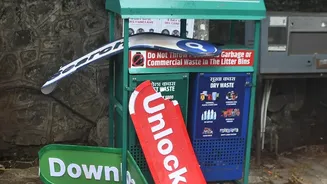
Many dream destinations, especially on remote islands or in coastal communities, lack the robust waste management infrastructure to handle the sudden influx of waste from tourism. Landfills overflow and local systems are put under incredible strain, leading to improper disposal. As a result, vast amounts of plastic end up in our oceans—an estimated 8 million tons each year—where they harm marine life through entanglement and ingestion. This plastic never truly disappears; it just breaks down into microplastics that pollute ecosystems and can enter the food chain. Ultimately, the pollution degrades the attractiveness of the destination, impacting local livelihoods that depend on tourism.
Your Sustainable Travel Toolkit
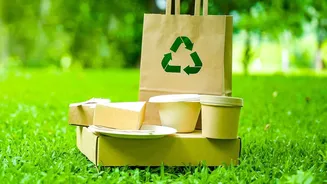
The good news is that travelers can be a powerful part of the solution. Making a few conscious swaps can drastically reduce your plastic footprint without sacrificing the quality of your trip. Start by packing a core kit of reusables: a water bottle, a foldable tote bag for shopping or souvenirs, and a set of lightweight cutlery for street food or takeaways. Instead of relying on travel-sized toiletries in disposable bottles, invest in solid alternatives like shampoo bars, conditioner bars, and toothpaste tablets, or use refillable silicone bottles for your favorite products. These simple habits, once adopted, become second nature.
Rethinking How You Hydrate and Dine
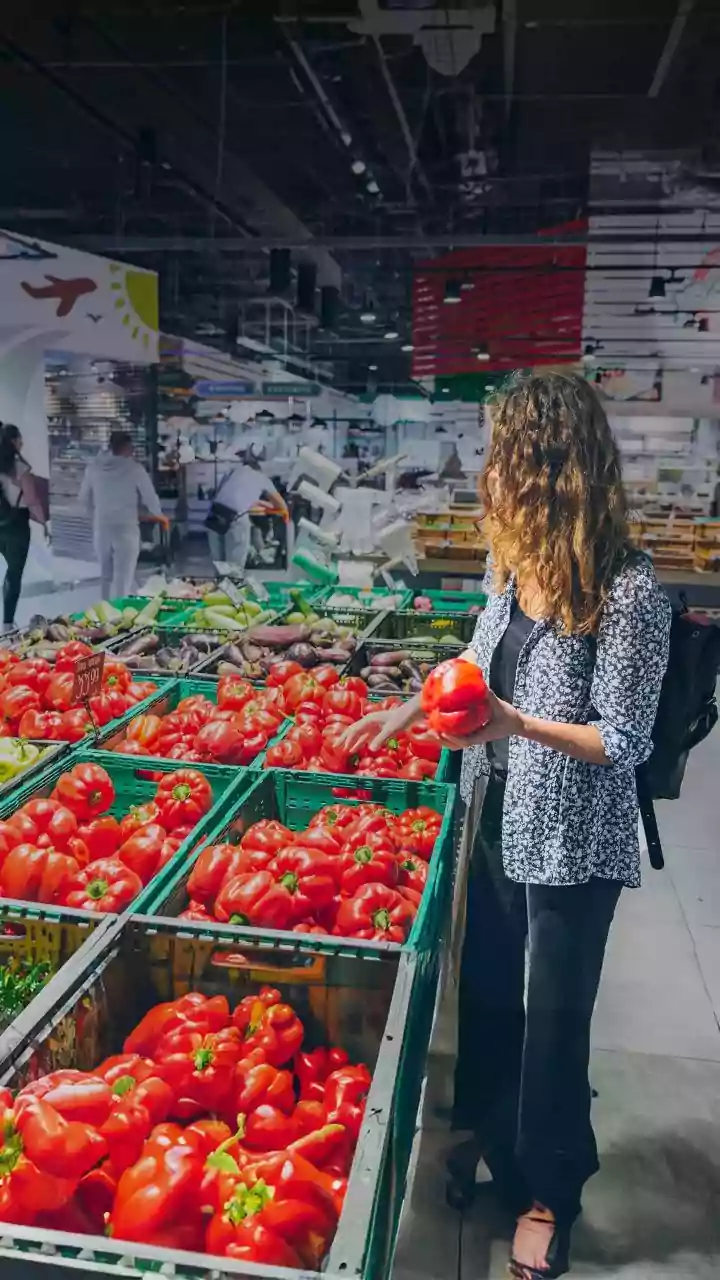
One of the biggest culprits of travel-related plastic waste is the disposable water bottle. Billions are purchased by tourists annually, often in destinations where tap water is perfectly safe to drink. Carrying a reusable bottle, preferably with a built-in filter for peace of mind, is the single most impactful change you can make. When dining, be mindful of your choices. Say 'no' to plastic straws and disposable cutlery. Opt to dine in rather than take away when possible. When you do buy food on the go, having your own container or bowl ready can prevent another plastic box from ending up in a landfill. Supporting local markets where produce is often sold loose also helps bypass unnecessary plastic packaging.
Small Changes, Ripple Effects
Your individual choices do more than just reduce your personal waste. They send a powerful message to the tourism industry that there is a demand for more sustainable practices. When travelers support eco-conscious hotels that offer water refill stations and use bulk-sized toiletries, it incentivizes others to follow suit. By choosing tour operators with clear environmental policies, you are voting with your wallet for a better future for travel. This collective action helps protect natural landscapes, supports the local economy in a more meaningful way, and ensures that the places we love to visit remain beautiful and healthy for generations of travelers to come.