


From Commodity to Craft
The global coffee market is experiencing a significant shift. Consumers are moving beyond generic blends and seeking out single-origin coffees, which come from a specific farm or region. This demand for transparency and unique flavour profiles has put
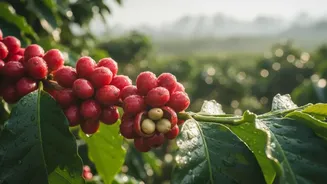
a spotlight on Indian Arabica. Unlike beans blended from multiple sources, single-origin coffee tells a story of its 'terroir'—the unique combination of soil, climate, and altitude that shapes its taste. India's shade-grown coffee, often cultivated alongside spices like cardamom and pepper, offers a flavour profile that is smooth, less acidic, and complex, standing apart from its African or Latin American counterparts.
Chikmagalur: The Historic Heart of Indian Coffee
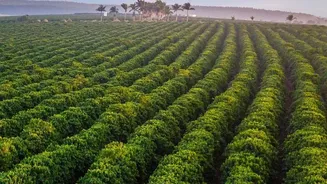
The story of Indian coffee begins in Chikmagalur, Karnataka, where the Sufi saint Baba Budan is said to have planted the first seven coffee seeds in the 17th century. Today, the region is renowned for its Arabica beans, which make up the majority of its production. Grown in the high-altitude, misty hills of the Western Ghats, Chikmagalur's coffee cherries mature slowly, developing a complex flavour. The resulting brew is known for its mild, aromatic character with balanced acidity and notes of chocolate, nuts, and caramel. In 2019, Chikmagalur Arabica was granted a Geographical Indication (GI) tag, legally protecting its origin and quality.
Coorg: The Spice-Infused Terroir
Also located in the Western Ghats of Karnataka, the Kodagu (Coorg) district offers another distinct coffee experience. Coorg Arabica, which also received a GI tag in 2019, is famous for being grown in a unique microclimate amidst spice plantations. The proximity to crops like pepper, cardamom, and vanilla subtly influences the beans, imparting a distinctive spicy and chocolaty fragrance to the coffee. This inter-cropping method is part of a sustainable, shade-grown agricultural system that supports biodiversity. The coffee is celebrated for its medium body and well-balanced profile, making it a favourite among connoisseurs looking for a cup with a unique, aromatic finish.
Araku Valley: A Story of Sustainability and Empowerment
Perhaps the most compelling story comes from the Araku Valley in Andhra Pradesh. Here, coffee cultivation was introduced as a sustainable livelihood for local tribal communities. The Adivasi farmers grow their Arabica beans using organic and biodynamic farming methods, without any chemical pesticides. This approach not only preserves the rich biodiversity of the Eastern Ghats but also produces a coffee with fruity and floral notes and a pleasant acidity. Araku Valley Arabica's quality has not gone unnoticed; it has won international acclaim, including a gold medal at the Prix Epicures awards in Paris, cementing its place on the global specialty coffee map. This success has provided thousands of farming families with a sense of pride and economic stability.
The Seal of Quality and Global Recognition
The granting of GI tags for coffees from Chikmagalur, Coorg, and Araku Valley was a major step in establishing their global reputation. This certification guarantees authenticity and protects the unique character shaped by each region's geography. It allows Indian growers to command premium prices, rewarding them for their commitment to quality. As a result, roasters and cafes from Europe, the US, and Asia are increasingly showcasing these Indian single-origin beans, drawn by their unique stories and consistent quality. The specialty coffee market in India is booming, driven by a new generation of consumers and producers focused on quality over quantity.