






The Rise of SIPs for Long-Term Dreams
Systematic Investment Plans have become the go-to method for millions of Indians to invest in mutual funds. Their appeal is easy to understand. By investing a fixed amount regularly, you develop financial discipline and benefit from the power of compounding.
Another significant advantage is rupee cost averaging; you buy more units when the market is low and fewer when it is high, averaging out your purchase cost over time. These features make SIPs a fantastic vehicle for achieving long-term aspirations like funding your retirement, buying a house, or paying for a child's education. They are designed for wealth creation over many years, allowing your money to grow and navigate the natural ups and downs of the market.
Defining the Financial First-Aid Kit
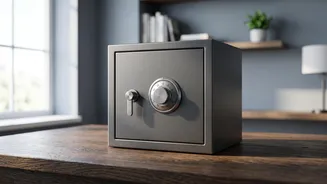
An emergency fund is the complete opposite of an investment. It's not designed for growth; it's designed for survival. Think of it as your personal financial safety net, set aside for true, unexpected crises: a sudden job loss, an urgent medical procedure, or essential home repairs. The most critical features of this fund are liquidity and stability. You must be able to access this money immediately without any penalty or fear of loss. It’s the cash that saves you from turning to high-interest credit cards or personal loans when life throws a curveball, preventing a single setback from spiralling into a major debt problem.
Why You Can’t Mix Oil and Water
Treating your long-term SIP portfolio as an emergency fund is a recipe for financial disaster. When you face an emergency, you might be forced to sell your mutual fund units at the worst possible time, such as during a market downturn. This means you could be locking in significant losses, effectively negating years of disciplined investing. Furthermore, redeeming from equity funds can have tax implications and may involve exit loads if withdrawn too early. Beyond the financial cost, there's a psychological one. Raiding your long-term investments for short-term needs breaks the magic of compounding and can feel like taking a huge step backwards from your ultimate financial goals. It derails the very plan your SIPs were meant to achieve.
How to Build Your Emergency Safety Net
Financial planners generally advise building an emergency fund that can cover three to six months of your essential living expenses. This includes rent or EMIs, utility bills, groceries, insurance premiums, and transportation costs. For those with variable incomes, like freelancers or business owners, a larger cushion of 9 to 12 months is often recommended for greater security. The key is to keep these funds in a separate, easily accessible account. Options include a high-yield savings account, a sweep-in fixed deposit, or a liquid mutual fund. Automating your savings by setting up a monthly transfer to this dedicated account is a highly effective way to build your fund consistently without having to think about it.
A Partnership for Financial Security
SIPs and emergency funds are not competitors; they are partners in a comprehensive financial plan. Your emergency fund is the defensive player, protecting your financial stability today. It provides the peace of mind that allows your SIPs, the offensive players, to work uninterrupted for your future. By having a robust emergency fund in place, you create a buffer that ensures you won't have to prematurely liquidate your long-term investments during a crisis. This strategy allows you to stay invested through market volatility, which is crucial for long-term wealth creation. The foundation of good financial planning is ensuring your present is secure so your future can flourish.