







The Great Monsoon Shutdown Myth
It's a familiar pattern for wildlife enthusiasts: as the monsoon rains arrive around late June or early July, most of India's famous national parks and tiger reserves announce their annual closure. Core areas of parks like Kanha, Bandhavgarh, and Kaziranga
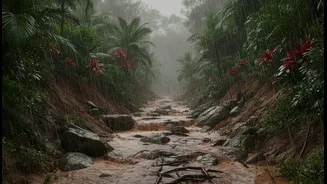
typically shut down until September or October. This is a crucial, science-backed decision. The monsoon is a vital breeding season for many animals, from tigers to deer, and reducing human interference is essential. Furthermore, the heavy rains make the unpaved tracks within the core forests slippery, unsafe, and often impassable for safari vehicles, making closure a matter of safety for both visitors and staff.
Understanding Core vs. Buffer Zones
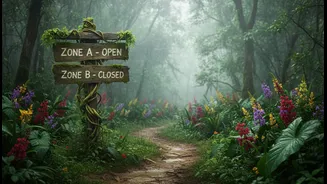
The secret to year-round safaris lies in understanding how our national parks are structured. Most tiger reserves are divided into two main areas: the core and the buffer. The core zone is the heart of the forest, a strictly protected area with minimal human activity, designed for the pristine conservation of wildlife. This is the area that typically closes during the monsoon. Surrounding this is the buffer zone, an area that acts as a protective layer. Here, rules are more flexible, and activities like eco-tourism are often encouraged to involve and benefit local communities. Critically, animals don't recognise these man-made boundaries and move freely between both zones.
Which Parks Keep Their Gates Open?
Several of India’s top wildlife destinations keep their buffer zones open, offering incredible monsoon safari experiences. Jim Corbett National Park in Uttarakhand keeps buffer zones like Jhirna and Dhela open year-round, weather permitting. In Rajasthan, while Ranthambore National Park closes its premium zones (1-5), it keeps a number of its buffer zones (6-10) accessible to visitors. Similarly, major parks in Central India, including Tadoba-Andhari in Maharashtra and Pench and Satpura in Madhya Pradesh, continue to offer safaris in their extensive buffer areas. In the south, parks like Nagarhole and Bandipur in Karnataka often remain open throughout the year, though access can be limited by heavy rain.
The Monsoon Safari Experience
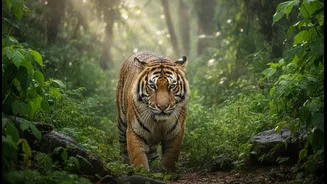
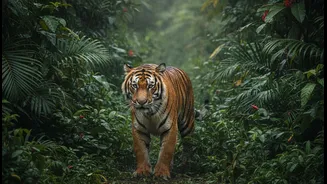
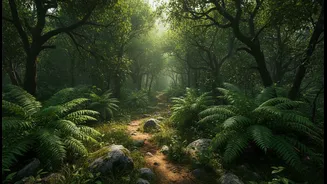
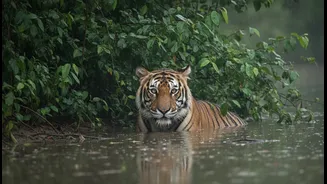
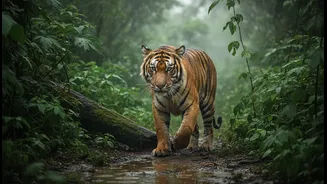
A safari during the rains is a completely different experience from a trip in the dry summer months. The forest transforms into a lush, vibrant green paradise, with full waterholes and a fresh, clean atmosphere. The crowds are significantly smaller, leading to a more peaceful and intimate experience with nature. While the dense vegetation can make spotting tigers and leopards more challenging, the monsoon offers its own rewards. It's a fantastic time for birdwatching, as many species are active, and the dramatic, cloudy skies provide a stunning backdrop for photography. You'll witness the jungle at its most rejuvenated and alive.
How to Plan Your Off-Season Trip
Planning a monsoon safari requires a bit of extra preparation. First, always check the official websites of the forest departments for the most current information on which gates are open, as accessibility can change depending on weather conditions. Book your safari permits and accommodation in advance, as even in the off-season, popular buffer zones can fill up. Pack wisely: lightweight rain gear, waterproof bags for electronics, and insect repellent are essential. Be prepared for flexible timings, as heavy downpours can sometimes delay or shorten safari drives. Finally, manage your expectations. While tiger sightings are still very possible in buffer zones, the primary reward of a monsoon safari is witnessing the breathtaking beauty of the revitalised forest itself.