








Why Rescue Cats Can Be Defensive
Territorial aggression is a cat’s way of defending its space from a perceived threat. This instinct can be particularly strong in rescue cats who may have histories of instability, competition for resources, or lack of socialisation. The trigger isn't
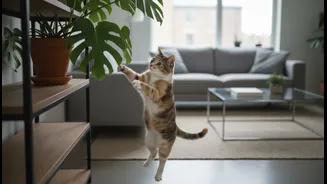
always obvious; it could be the arrival of a new pet, a change in routine, or even a stray cat seen through a window. The behaviour is complex, often stemming from fear. A cat might stalk, hiss, chase, or swat at another pet or person it views as an intruder in its safe zone. This isn't malicious behaviour; it's a deeply ingrained survival response. For a rescue cat, establishing and protecting a territory is about creating the security they may have lacked in the past. Understanding this motivation is the first step toward helping them feel safe and confident in their new home.
Technology as Your Watchful Eye
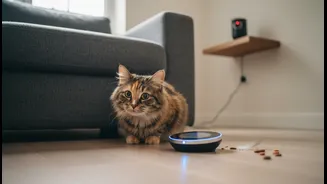
When you're not home, or even when you're just in another room, you miss crucial details about your cat's behaviour. This is where behavioral tracking comes in. Pet technology, such as smart cameras and GPS activity monitors, can act as a constant, neutral observer. Indoor cameras, especially those with 360-degree views or auto-tracking that follows your cat, can capture interactions and behaviours you would otherwise never see. Some cameras are even designed with night vision and motion alerts. GPS and activity trackers, often built into collars, can provide data on your cat’s movement patterns, activity levels, and even sleep quality. These devices don't just show you where your cat is; they gather data that, when pieced together, can form a complete picture of your cat's daily life and stressors. This information is the key to moving from confusion to clarity.
Connecting the Dots: From Data to Triggers
Once you have the technology set up, the real detective work begins. The goal is to correlate the data from your tracker or camera with aggressive incidents. Start by keeping a simple log of when and where aggressive behaviour occurs. Now, cross-reference this with your tech's data. Did the GPS tracker show your cat pacing anxiously by the back door every day at 4 PM? Check the camera footage; you might discover that's when a neighbour's dog is let into their yard. Did an activity monitor show a huge spike in frantic movement just before a spat with another resident cat? This could be a case of redirected aggression, where your cat saw something frustrating outside and took it out on the nearest target. Looking for these patterns over days and weeks helps you move beyond one-off incidents and identify the consistent, underlying triggers of your cat’s anxiety and aggression.
What the Data Might Reveal
The insights from behavioural tracking can be surprisingly specific. Camera footage might reveal that aggression spikes not when a visitor arrives, but when they stand up to leave, suggesting the cat is stressed by sudden, unpredictable movements. You might notice subtle body language—like flattened ears or a twitching tail—that consistently precedes an outburst, helping you learn to spot warning signs earlier. A camera pointed at a main window could confirm that the primary stressor is an outdoor cat that regularly patrols the area. Trackers can also show you which areas of the house your cat actively avoids, highlighting zones of conflict with other pets that you might not have been aware of. Sometimes, a tracker might show a decrease in overall activity or sleep, which could signal that the aggression is linked to an underlying medical issue causing pain, warranting a visit to the veterinarian.
From Observation to Action
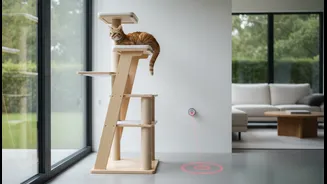
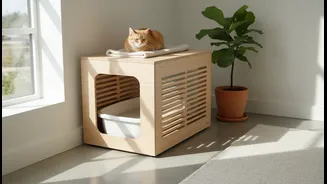
Identifying triggers is only half the battle. Once you know what’s causing the stress, you can begin to manage the environment to make your cat feel more secure. If a window is the source of the problem, you can apply frosted film to block the view. If conflict happens in a narrow hallway, you can add vertical spaces like cat trees or shelves to give cats more room to avoid each other. For aggression between cats in the home, you might need to provide separate resources—like food bowls and litter boxes—in different locations to reduce competition. Technology is a powerful diagnostic tool, but the solution often lies in these practical, environmental changes. It empowers you to stop guessing and start making targeted modifications that directly address your cat's specific fears.