






What an 'Uneven' Monsoon Forecast Means
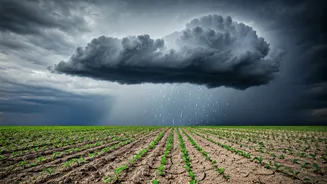
The India Meteorological Department (IMD) has predicted that rainfall in July 2026 is likely to be below normal for the country as a whole, potentially less than 94% of the long-term average. However, this isn't a uniform dry spell. The term 'uneven'
is key. Some regions, like parts of the Konkan coast and eastern Vidarbha, might see normal to above-normal rain, while large swathes of central and western India could face significant deficits. This patchiness is influenced by strengthening El Niño conditions in the Pacific Ocean, a climate pattern often linked to weaker monsoons in India. So, while some areas might get the rain they need, others that are critical for agriculture could be left wanting, setting the stage for economic ripple effects.
From Field to Kitchen: The Food Price Squeeze
The most immediate and tangible impact of an erratic monsoon is on food prices. July is a critical month for the sowing of kharif crops like rice, pulses, and oilseeds, which form the backbone of India's food supply. A delayed or deficient monsoon directly impacts planting schedules. Recent data from late June already showed that kharif sowing was down by nearly 23% compared to the previous year due to a weak start to the monsoon. This directly affects the supply chain. Lower-than-expected rainfall can reduce crop yields and damage harvests of vegetables like tomatoes, onions, and potatoes, which are highly sensitive to weather changes. As supply tightens, prices at your local market are likely to climb, putting a direct strain on your monthly grocery bill.
The Ripple Effect Beyond Your Grocery List
The financial strain doesn't stop at food. A weak monsoon has wider economic consequences. Lower water levels in reservoirs can impact hydropower generation, which accounts for a significant portion of India's electricity. This could lead to more reliance on costlier power sources or even an increase in power cuts in some areas, potentially raising electricity bills for households that use more power for cooling during hotter, drier weather. Furthermore, the agricultural sector employs a massive part of India's workforce. When farm incomes drop due to poor harvests, it reduces purchasing power in rural areas. This can slow down demand for goods and services, from two-wheelers to consumer goods, affecting the broader economy in ways that eventually trickle down to urban centres.
How to Prepare Your Budget for a Bumpy Ride
While you can't control the weather, you can take steps to buffer your household budget from its impact. Start by tracking your expenses closely to see where your money is going. As food prices fluctuate, focus on buying local and seasonal vegetables, which are often more affordable and readily available. Planning your meals for the week can help reduce food waste and impulse purchases. This might also be a good time to build or review your emergency fund. Having some savings set aside can provide a crucial cushion if unexpected costs arise, whether it's a higher electricity bill or a sudden spike in the cost of essentials. Being mindful of consumption, both of food and energy, can make a significant difference in managing your monthly expenses during this period of uncertainty.