






The Science of 'Sticky Skin'
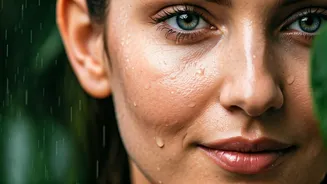
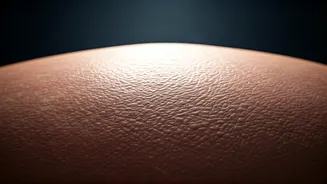
High humidity has a complex relationship with our skin and hair. In humid conditions, the air is already saturated with moisture, which makes it harder for sweat to evaporate from our skin. [25] This traps a mixture of sweat, oil, and environmental pollutants
on the surface, leading to clogged pores, breakouts, and a perpetually greasy feeling. [4, 30] The sebaceous glands can go into overdrive, producing more oil to give the appearance of increased oiliness, especially for those with already oily or combination skin. [4, 7] This environment is also a breeding ground for bacteria and fungi, which can trigger acne and other skin infections. [4, 28] For hair, the effect is equally frustrating. Moisture in the air reacts with the keratin bonds in hair strands, causing the cuticle to swell and leading to the dreaded frizz that marks the monsoon season. [15]
The Rise of Lightweight Skincare
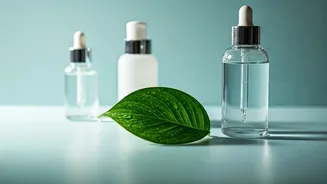
The most significant shift in Indian beauty is the move away from heavy, occlusive creams towards lightweight, breathable formulas. The mantra is no longer about layering thick products but about smart, effective hydration. Gel-based and water-based moisturisers are becoming staples because they absorb quickly, provide hydration without a greasy feel, and allow the skin to breathe. [21, 17] Even those with oily skin are learning not to skip moisturiser, as dehydrated skin can overcompensate by producing even more oil. [3] Key ingredients like hyaluronic acid, which pulls moisture into the skin, and niacinamide, which helps regulate sebum and strengthen the skin barrier, are now considered essentials for a humidity-proof routine. [5, 3] Gentle, salicylic acid-based cleansers are also gaining popularity for their ability to dissolve oil without stripping the skin's natural moisture barrier. [3, 14]
Hair Care That Fights the Frizz
When it comes to hair, the battle is against frizz. The strategy has shifted from trying to fight the humidity to working with it. This means swapping heavy conditioners for lightweight formulas and focusing application on the mid-lengths and ends, away from the scalp. [16] Anti-frizz serums and leave-in conditioners have become non-negotiable products, used to seal the hair cuticle and block out excess atmospheric moisture. [8, 15] There's also a move away from frequent heat styling, which can further damage hair, and an embrace of protective styles like braids and buns that minimize hair's exposure to the damp air. [8, 15] Many are also limiting hair washing to two or three times a week with mild, sulphate-free shampoos to avoid stripping the hair of its natural oils. [10, 11]
Makeup That Lasts Through the Meltdown
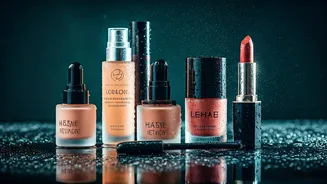
Makeup in high humidity is an exercise in minimalism and smart formulation. Heavy, full-coverage foundations are being replaced by breathable skin tints and lightweight powder foundations that absorb oil without feeling cakey. [9, 26] Primers are now seen as an essential first step, creating a gripping base that holds makeup in place and controls oil, especially in the T-zone. [9, 23] To ensure makeup lasts, waterproof and transfer-proof products are key, from eyeliners to matte liquid lipsticks. [24, 30] Cream-based blushes are also preferred over powders, as they melt into the skin for a more natural look that doesn't turn patchy on sweaty skin. [9] The final, crucial step is a setting spray, which acts as a sealant, locking the entire look in place for hours. [18]