





Why Your Skin is Protesting the Air
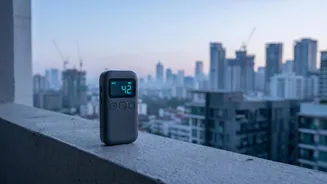
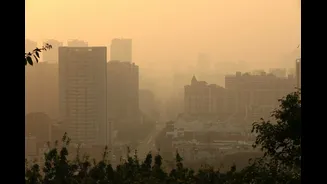
Delhi's air quality has once again dipped into the 'poor' category this October, with authorities implementing Stage 1 of the Graded Response Action Plan (GRAP). This smog is a cocktail of pollutants, but the main culprits for your skin are fine particulate
matter (PM2.5), ozone, and nitrogen dioxide. These microscopic particles are small enough to settle on the skin and even penetrate its outer layers. This triggers a process called oxidative stress, where harmful molecules called free radicals damage your skin cells, break down collagen, and weaken your skin's natural protective barrier. The result is inflammation, which manifests as redness, sensitivity, dryness, and can worsen conditions like eczema, acne, and psoriasis.
Your First Line of Defence: A Deep Cleanse
Thoroughly cleansing your face, especially at night, is non-negotiable. The goal is to remove the layer of pollutants that has accumulated during the day before they can cause further damage. Many experts recommend 'double cleansing'. Start with an oil-based cleanser to dissolve makeup, sunscreen, and the oily grime that pollutants cling to. Follow up with a gentle, hydrating, water-based cleanser to wash everything away without stripping your skin of its natural oils. Hasty cleansing won't do the trick; you need to be meticulous to ensure your skin is a clean canvas, ready to absorb the protective products that follow.
Strengthen and Rebuild Your Skin's Barrier
A healthy skin barrier is your best shield against environmental aggressors. When pollution weakens this barrier, it loses moisture and becomes more susceptible to irritants. To counteract this, focus on hydration and repair. Look for moisturisers containing ingredients like ceramides, hyaluronic acid, and glycerin. Ceramides are lipids that naturally occur in your skin and are crucial for its barrier function. Niacinamide (a form of Vitamin B3) is another hero ingredient; it not only helps your skin produce more ceramides but also calms inflammation and redness.
Neutralise Damage with Antioxidants
Since you can't entirely stop pollutants from creating damaging free radicals, the next best thing is to neutralise them. This is where antioxidants come in. Applying an antioxidant serum in the morning provides a layer of defence for the day ahead. Vitamin C is a potent antioxidant that helps fend off free radicals and also aids in brightening the complexion. For an even greater effect, look for serums that combine Vitamin C with Vitamin E and ferulic acid, as these ingredients work together to boost each other's effectiveness and provide robust protection against environmental damage.
Don't Skip Sunscreen, Even on Smoggy Days
It's a common misconception that you don't need sunscreen when it's hazy or cloudy. In reality, harmful UV rays penetrate through smog and clouds. Furthermore, UV radiation and pollution can have a synergistic effect, meaning they amplify each other's damaging impact on the skin. Therefore, applying a broad-spectrum sunscreen with an SPF of 30 or higher every single morning is a critical final step in your defensive skincare routine. Mineral sunscreens containing zinc oxide or titanium dioxide can also provide a physical barrier against pollutants.
Calming an Active Flare-Up
If your skin is already red, itchy, and irritated, it's time for damage control. During a flare-up, simplify your routine and focus on soothing ingredients. Avoid using harsh exfoliants (like strong acids or scrubs) or introducing any new, potent active ingredients. Instead, look for products with calming agents like centella asiatica (also known as cica), green tea, aloe vera, and colloidal oatmeal. These ingredients can help reduce redness and inflammation, providing much-needed relief while your skin barrier recovers from the environmental assault.