







The Psychology of the Premium Pack
Food companies invest heavily in packaging for a reason: it’s the first thing you see. Gold lettering, matte finishes, and earthy colours are designed to create a “health halo,” making you associate the product with quality and wellness. Words like “natural,”
“fresh,” “pure,” and “organic” are used to grab your attention. However, a recent crackdown by the Food Safety and Standards Authority of India (FSSAI) has shown that these claims are often just marketing. For example, a product labelled “Roasted Almond Chocolate” might use cheaper vegetable fat instead of real cocoa butter, or a “100% Natural” cream bun might contain artificial colours and preservatives listed in the fine print. These tactics prey on our desire for quick, healthy choices, but the truth is often hidden on the back of the pack.
FSSAI’s Clampdown on Misleading Claims
In response to the growing gap between marketing and reality, FSSAI has launched a significant crackdown on misleading labels. In recent months, it has issued notices to numerous companies for using unverified or confusing terms. This includes questioning brands for marketing products as “healthy” when they are not, using the term “100%” without clear definition, or making health claims like “boosts immunity” without scientific backing. The regulator has pulled up products ranging from paneer labelled “Fresh” to spreads claiming to be “100% Organic” without the necessary certification. FSSAI is also working on a mandatory Front-of-Pack Labelling (FoPL) system, potentially featuring warning labels or a star rating, to give consumers an at-a-glance understanding of whether a product is high in sugar, salt, or fat.
How to Become a Label-Reading Expert
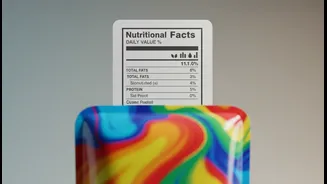
Don't wait for regulations to catch up; you can empower yourself right now. The secret is to ignore the flashy front and flip the pack over. Start with the ingredients list. Ingredients are listed in descending order by weight, so the first three items make up the bulk of the product. If sugar (or its many aliases like corn syrup or dextrose), refined flour (maida), and palm oil are at the top, it’s not a health food, no matter what the front claims. Next, look at the nutritional information panel. Pay attention to the serving size, as all the values—calories, fat, sugar, and sodium—are based on that amount, and a single package often contains multiple servings.
Decoding Common Health Buzzwords
Marketers use specific phrases to make products seem healthier than they are. Be wary of these common traps: 'Made with Whole Grains': This doesn't mean it's 100% whole grain. It might contain a small amount, with the main ingredient still being refined flour. 'No Added Sugar': The product might not have table sugar added, but it could be high in fruit concentrates or other natural sweeteners, which are still sugars. 'Low Fat' or 'Fat-Free': While the fat may be low, the sugar or sodium content might be increased to improve the taste. 'Source of Fibre': A product can claim to be a “source of fibre” without meeting a high threshold, while still being loaded with unhealthy fats and sugars. '100% Organic': Unless the product displays the official 'Jaivik Bharat' logo, the organic claim is not certified.
Your Five-Step Checklist for Smarter Shopping
Feeling overwhelmed? FSSAI itself recommends a simple five-step check. First, check the ingredients list for what the product is truly made of. Second, examine the nutrition facts, paying close attention to sugar, sodium, and saturated fat. A daily value (%DV) of 20% or more for these is considered high. Third, always check the expiry or 'use by' date for safety. Fourth, look for allergen declarations, which are mandatory and crucial for those with sensitivities. Finally, look for the FSSAI logo and license number, which confirms the product is registered with the food authority. By making these checks a habit, you shift the power from the marketing department back into your hands.