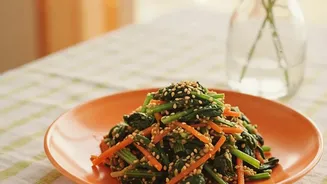

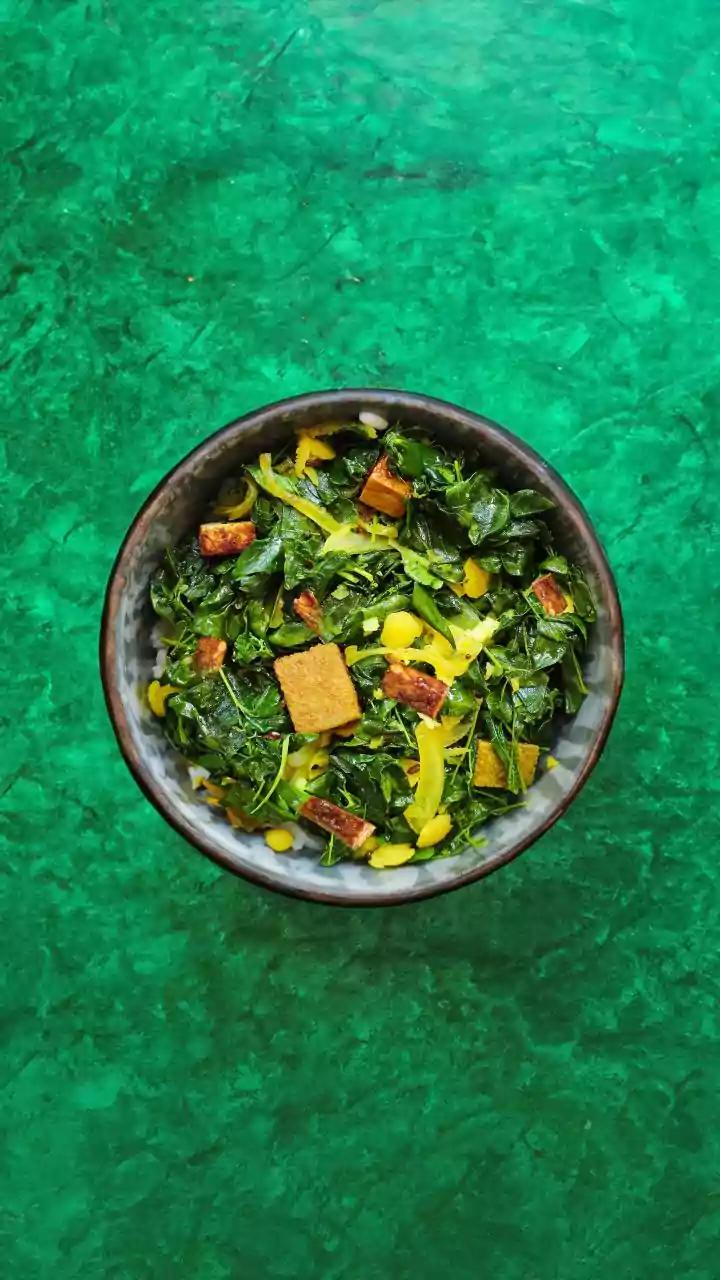




In the vibrant theatre of the Indian kitchen, carrots and spinach are two star performers. One is bright, sweet, and crunchy; the other is earthy, rich, and versatile. But in a head-to-head culinary clash, which one truly reigns supreme?
The Nutritional Showdown
When it comes
to nutrition, both carrots and spinach are powerhouses, but they excel in different areas. Carrots are famously rich in beta-carotene, which the body converts into Vitamin A. This vitamin is crucial for good vision, a healthy immune system, and skin health. Spinach, on the other hand, is a champion of minerals and different vitamins. It boasts significantly more iron, calcium, potassium, and magnesium than carrots. Furthermore, spinach is an exceptional source of Vitamin K, essential for bone health and blood clotting, and folate, which is vital for cell growth. While carrots bring the Vitamin A punch, spinach delivers a broader mineral and vitamin profile, including more Vitamin C.
Versatility in the Indian Kitchen
Both vegetables are incredibly adaptable in Indian cuisine. Carrots are a mainstay, finding their way into everything from North Indian sabzis to South Indian sambar. Their inherent sweetness and firm texture make them perfect for the iconic dessert 'Gajar ka Halwa', where they are slow-cooked with milk and sugar. They can also be stir-fried in a 'poriyal', added to pickles ('gajar ka achar'), or simply served raw as part of a salad. Spinach, or 'palak', has a different kind of versatility. Its leaves wilt down to create a lush, thick base for gravies. The most famous example is 'Palak Paneer', a creamy curry with chunks of fresh cheese. Spinach is also commonly mixed with lentils to make 'Dal Palak', incorporated into flatbread dough for 'Palak Paratha', or used in savoury snacks like 'Palak Pakoda'. Its ability to blend seamlessly into dishes makes it a go-to for adding nutrients quietly.
Health Benefits and Key Considerations
The high beta-carotene content in carrots is directly linked to protecting eye health, potentially lowering the risk of cataracts and age-related macular degeneration. The antioxidants in carrots also support heart health and may help regulate blood sugar levels due to their fiber content. Spinach contributes significantly to heart health as well, thanks to its high levels of nitrates and potassium, which help relax blood vessels and lower blood pressure. Its iron content is vital for preventing fatigue and supporting healthy blood. However, a key consideration with spinach is its high oxalate content. Oxalates can interfere with the absorption of minerals like calcium and may contribute to kidney stones in susceptible individuals. To reduce oxalates, it is best to cook spinach, as boiling or steaming can lower levels by over 50%.
Cooking, Storing, and Preparation
In terms of practicality, carrots have a clear advantage in shelf life. They are hardy root vegetables that can last for weeks in the refrigerator, retaining their crunch. Spinach is more delicate and needs to be used within a few days of purchase before it wilts. From a cooking perspective, carrots require a bit more time to become tender, whether in a curry or stirfry. Cooking carrots, however, has an added benefit: methods like steaming or stirfrying can actually make their beta carotene more available for the body to absorb. Spinach cooks in a fraction of the time, wilting in just a minute or two, making it perfect for quick additions to dals, sabzis, or even dosa batter. Steaming spinach is an excellent way to retain its nutrients while also reducing oxalates.