








What Exactly is This Fee?
The fee is called the Merchant Discount Rate (MDR). It's a charge that merchants pay for payment processing services. You've encountered it before, even if you didn't know the name; it's the reason some small shops prefer cash over card payments. Since
January 2020, UPI and RuPay debit cards have operated under a zero-MDR framework, a government mandate designed to turbocharge digital adoption. This made UPI transactions free for both consumers and merchants, a key factor in its explosive growth. Now, the era of universally free UPI is ending.
What is Changing and When?
Starting October 15, 2026, a 0.4% MDR will apply to person-to-merchant (P2M) UPI transactions above ₹2,000. This charge will be paid by the merchant, not the consumer. To prevent excessive fees on large purchases, the MDR is capped at ₹300 for any transaction of ₹75,000 or more. Crucially, this change is targeted. All person-to-person (P2P) money transfers remain free, and so will all merchant payments under the ₹2,000 threshold. The government estimates that this approach will leave about 96% of all merchant transactions unaffected by the new charge.
Why Bring Back Charges Now?
The core issue is sustainability. While UPI is free for users, it is not cost-free to operate. Every transaction requires a complex and expensive infrastructure involving banks, payment gateways, and app providers. For years, these companies have borne the costs without a direct revenue stream from UPI transactions, relying instead on cross-selling other financial products like loans and insurance. The Reserve Bank of India (RBI) and the National Payments Corporation of India (NPCI) have backed the new MDR framework, arguing it's a necessary step to ensure the long-term health and continued innovation of the payments ecosystem. The revenue, estimated to be between ₹13,000-₹15,000 crore in the first year, will be distributed among these players to help them cover costs and reinvest in the network.
A New Lifeline for Payment Companies
For India's leading payment platforms like PhonePe, Google Pay, and Paytm, this is a landmark moment. After investing heavily to acquire hundreds of millions of users in a zero-revenue environment, the return of MDR offers the first significant opportunity to monetize their primary service. While they have developed other income sources, direct revenue from payment processing provides a more stable and predictable financial foundation. The new fee structure will finally reward them for the massive transaction volumes they handle, creating a clearer path to profitability and justifying their heavy investments in QR codes, soundboxes, and other infrastructure.
What's the Impact on Merchants and You?
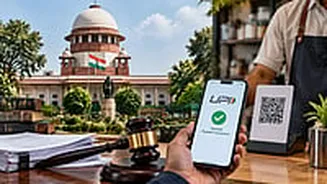
The government and RBI have been clear: consumers will not pay the fee. However, the impact on merchants is more complex. While the ₹2,000 threshold and exemptions for small merchants protect the majority, many mid-sized businesses will now face a new cost. This has sparked concern and even protests, with some retail associations arguing it will squeeze already thin margins. There is a worry that some businesses might discourage UPI for larger payments or, in a worst-case scenario, try to pass the cost on to customers, though this is not officially permitted. The Supreme Court has refused to grant an interim stay on the move but has asked the government to formally explain its legal basis.