




Peru conjures images of misty mountain citadels and vibrant ancient cultures. But the reality of visiting its most famous sites can involve sharp crowds, high prices, and rushed tours. Here’s a guide to managing your expectations and your wallet.
Machu Picchu: Iconic but Overwhelming
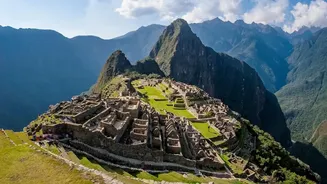
Machu
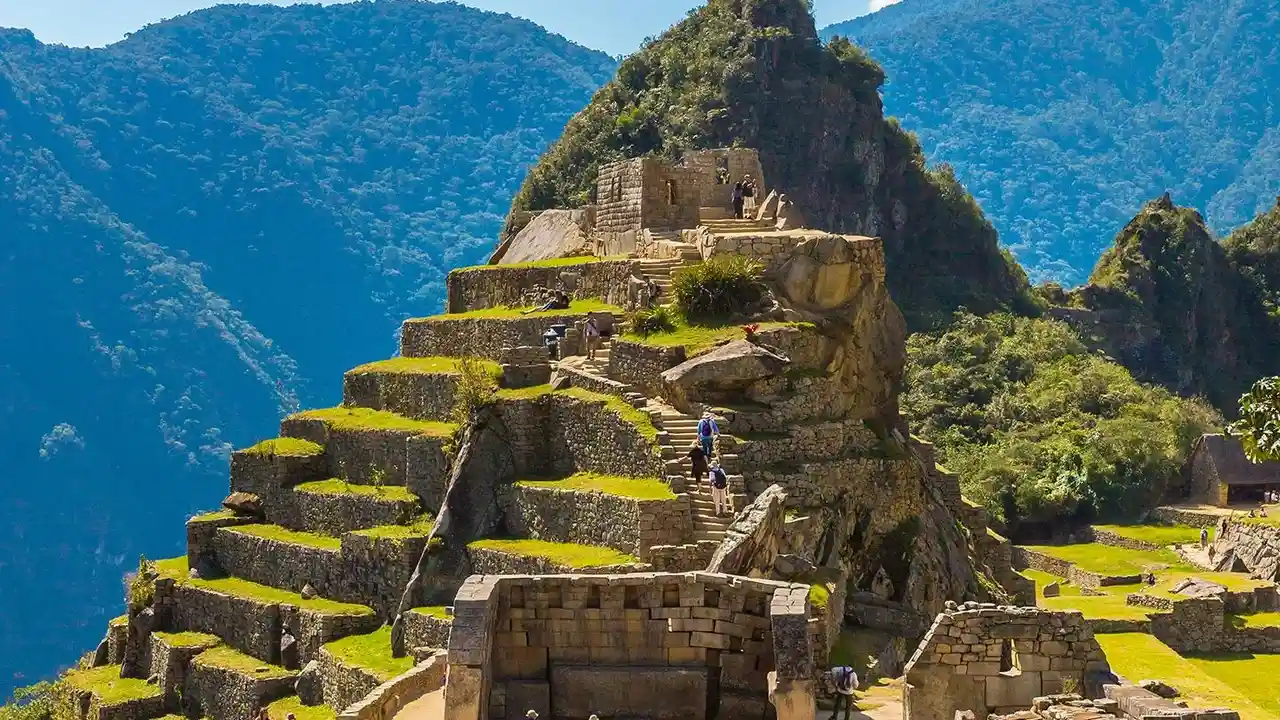
Picchu is not overrated; it is extraordinary. The setting and engineering are genuinely breathtaking. However, the experience can feel less like discovery and more like a conveyor belt. With strictly timed entry slots, designated one-way circuits, and thousands of fellow visitors, the sense of tranquil magic can be elusive. Many visitors find the crowds and restrictions detract from the experience. To make the most of it, book tickets months in advance, especially for shoulder seasons like April-May or September-October, which are less crowded than the June-August peak. Consider staying overnight in nearby Aguas Calientes to catch the first bus up, entering the site before the largest crowds arrive from day trips.
Rainbow Mountain: The Instagram Lie
Vinicunca, or Rainbow Mountain, became an Instagram sensation, but its reality is often a shock. The vibrant, saturated colours seen online are heavily edited. The day trip from Cusco involves a very early start and a long, three-hour bus ride each way. The hike itself is at a punishingly high altitude (over 5,000 metres), where altitude sickness is a serious and common risk. You will likely be sharing the view with up to 1,500 other people, all queuing for the same photo. For a more rewarding experience, consider alternatives like the Palccoyo Rainbow Mountains. It offers similar colourful landscapes but with fewer crowds and at a slightly more manageable altitude.
Uros Floating Islands: Culture or Performance?
A visit to the Uros floating islands on Lake Titicaca is a staple of many Peru itineraries. These man-made reed islands are a marvel of ingenuity. Yet, the standard tourist experience can feel artificial and commercialised. Many travellers report feeling like they are in a theme park, with staged songs, presentations, and a heavy focus on selling handicrafts. The Uros people often commute from Puno to the islands for the tourist day. For a more authentic cultural connection, consider tours that go beyond the main Uros circuit to the islands of Taquile or Amantaní, where you can participate in a homestay with local families and experience a more genuine way of life.
Decoding Peru's Tourist Prices
Navigating costs in Peru requires some planning. In Cusco, the 'Boleto Turístico' (Tourist Ticket) is a bundled pass for 16 sites in the city and Sacred Valley. The full 10rday ticket costs S/130 (around $35 USD). While it can offer good value if you plan to visit many sites, shorter, partial-circuit tickets are available for S/70 but have very short validity periods. Be aware that major sites like Machu Picchu and Rainbow Mountain are not included. Outside of official tickets, expect a wide range of costs. A budget traveller might spend $40-$60 per day, while mid-$range travel costs $100-$150. Meals can be as cheap as $3-$5 at local eateries or significantly more in tourist-$focused restaurants.
Escaping the Tight Itinerary
Many packaged tours in Peru operate on extremely tight schedules, often involving pre-'dawn departures and long travel hours for just a short time at the main attraction. This 'go-'go-'go' pace can lead to exhaustion and a superficial experience. To avoid this, consider building extra days into your schedule to acclimatise to the altitude and explore at your own pace. Instead of booking all-'in-'one packages, hire local guides for specific sites or use public transport between towns in the Sacred Valley. This allows for flexibility, spontaneity, and the chance to discover lesser-'known gems like the Choquequirao ruins (a challenging trek-'in alternative to Machu Picchu), the Chinchero market, or the Moray agricultural terraces.