
Why Venus Dazzles
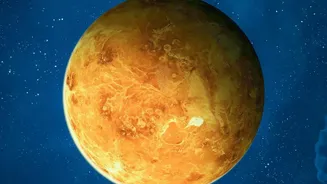
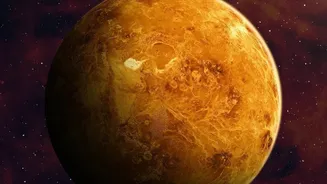
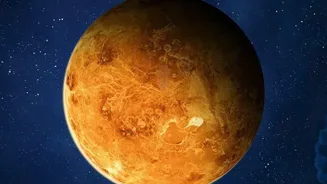
Venus is the second planet from the Sun and our closest planetary neighbour. Its thick, reflective clouds bounce so much sunlight back into space that it shines more brightly than any other planet or star in our night sky. Often called 'Earth's twin'
due to its similar size and mass, Venus has captivated observers for millennia. In August 2026, it will be in a prime position for viewing, appearing as a spectacular 'Evening Star' for observers across India. Its incredible brightness means it can often be seen even before the sky is completely dark, piercing through the evening twilight.
When and Where to Look
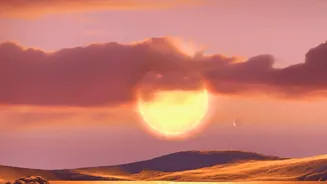
Throughout August 2026, Venus will dominate the western sky shortly after sunset. You won't need to stay up late; the best time to view it is during twilight. Just find a clear view of the western horizon as the sun goes down, and Venus will be the first 'star' to appear. On August 14 and 15, Venus reaches its greatest elongation, meaning it will be at its farthest apparent distance from the sun in the sky. This makes it particularly easy to spot. As a special treat, a beautiful crescent Moon will appear near Venus on these evenings, creating a stunning celestial pairing.
A Celestial Companion
To make your Venus-spotting even more rewarding, look for a nearby bright star. Throughout August, Venus will be seen near Spica, the brightest star in the constellation Virgo. As the month progresses, you can watch Venus slowly draw closer to Spica, heading for a close conjunction in early September. This provides a wonderful opportunity to witness the motion of the planets against the backdrop of the stars from one night to the next. The pairing of the brilliant planet and the bright star will be an unmissable sight in the western sky.
Do You Need a Telescope?
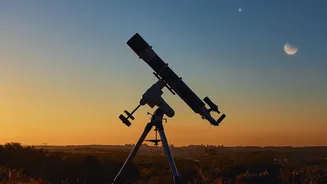
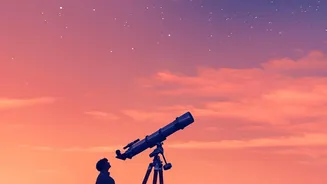
Absolutely not. Venus is so bright that it is one of the easiest celestial objects to spot with the naked eye. However, if you have a pair of binoculars or a small telescope, you're in for a treat. Because Venus is an inner planet, it goes through phases just like our Moon. In August 2026, a telescope will reveal that Venus is not a simple point of light but is in a crescent phase, appearing about half-illuminated. It’s a fascinating sight and a reminder that the planets are worlds of their own, not just distant specks of light.
Tips for the Best Viewing Experience
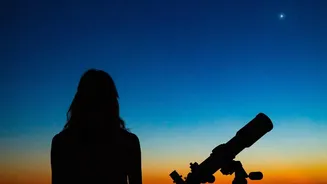
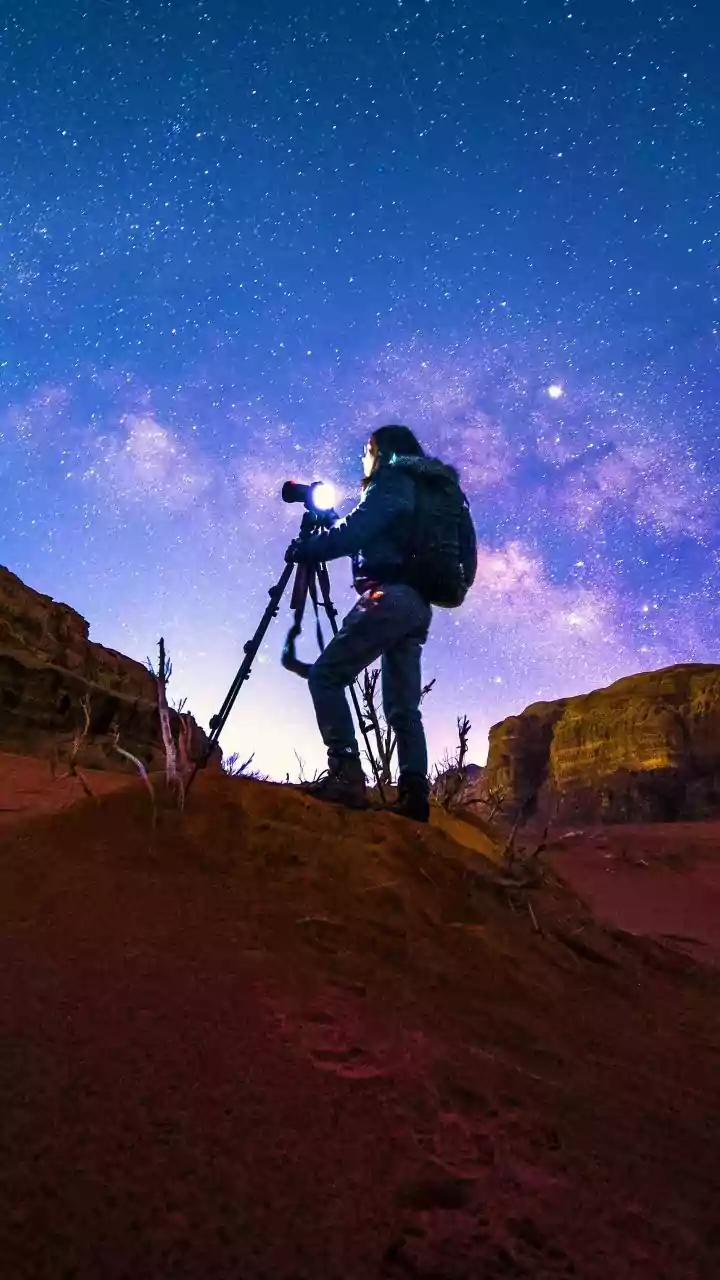
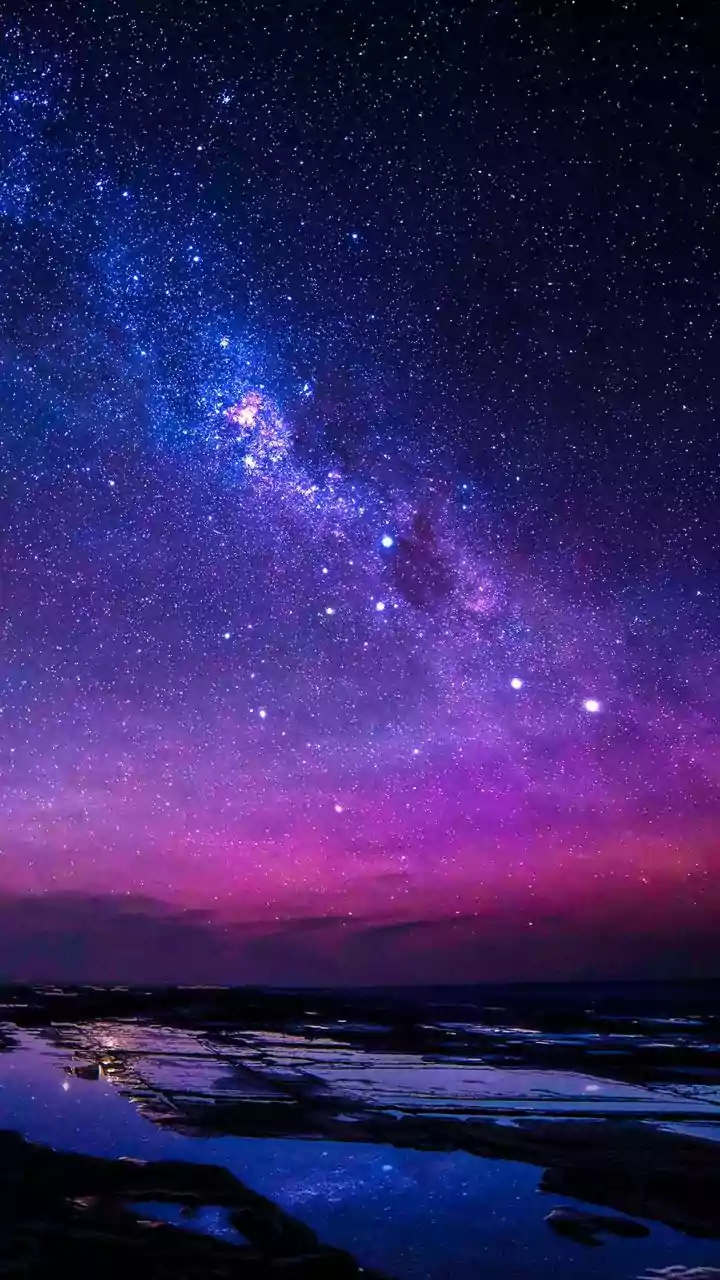
To make the most of your stargazing session, try to find a location with an unobstructed view of the western horizon. While Venus is bright enough to be seen from cities, getting away from the worst of the urban light pollution will enhance the experience and reveal more surrounding stars. The main challenge for viewing in India during August is often the monsoon. Be sure to check your local weather forecast for a clear evening. Give your eyes about 15-20 minutes to adapt to the darkness to see more detail. No special equipment is needed—just find a comfortable spot, look west after sunset, and enjoy the show.