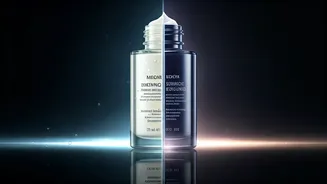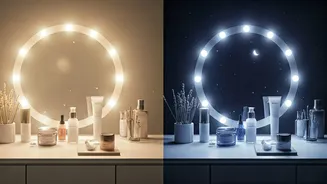









Day vs. Night: A Tale of Two Functions
Your skin operates on a 24-hour cycle, much like your body's internal clock. During the day, your skin is in defense mode, working hard to shield itself from environmental aggressors like UV radiation, pollution, and dirt. Its primary job is protection.
At night, the script flips entirely. With the daytime stressors gone, your skin switches to repair and regeneration mode. This is when it works to heal damage, produce new cells, and rebuild collagen. Using the same products for both can mean you're either under-protected during the day or missing out on crucial repair opportunities at night.
The Morning Mission: Protect and Preserve
Think of your morning routine as armour for your skin. The goal is to hydrate, strengthen, and, most importantly, protect. A simple yet effective routine includes a few key steps. Start with a gentle cleanser to wash away any oils and product residue from the night. Next, apply an antioxidant serum. This is where Vitamin C shines as a hero ingredient. As a potent antioxidant, it helps neutralize free radicals from pollution and UV exposure, essentially acting as a backup to your sunscreen. Follow this with a lightweight moisturiser to hydrate the skin and lock in the serum. The final, non-negotiable step is a broad-spectrum sunscreen with at least SPF 30. This is your single most effective tool against premature aging.
Your Nightly Ritual: Cleanse and Correct
As your skin enters its natural repair cycle overnight, your evening routine should focus on deep cleaning and targeted treatments. If you wear makeup or sunscreen, start with a double cleanse. Use an oil-based cleanser first to break down these products, followed by a water-based cleanser to wash everything away. This ensures your treatment products can penetrate effectively. After cleansing is the time to bring in the power players. This is when you should apply active ingredients like retinoids (retinol), which accelerate cell turnover, boost collagen, and improve skin texture. Retinoids make skin more sensitive to the sun, which is why they are reserved for nighttime use. You can also incorporate exfoliating acids (like AHAs and BHAs) on alternate nights to remove dead skin cells.
Locking It All In: Evening Hydration
The final steps of your nighttime routine are all about sealing in those treatments and providing deep hydration. While your skin repairs itself, it's also more permeable, meaning it can lose water but also better absorb nourishing ingredients. After your treatment serum, you might apply an eye cream to target concerns like fine lines or dark circles. Follow this with a richer, more nourishing moisturiser than you'd use in the morning. Night creams are often thicker and formulated with ingredients like peptides and ceramides to support the skin's barrier and recovery process while you sleep, ensuring you wake up to a plumper, more refreshed complexion.
Listen to Your Skin
While this provides a framework, the best routine is one that’s tailored to you. Oily or acne-prone skin may prefer lightweight gel creams, while dry skin will benefit from richer, creamier formulas. If you're new to active ingredients like retinol, start slowly, using it only a couple of times a week to allow your skin to adjust before increasing the frequency. The most important rule is consistency. Results won’t appear overnight, but by aligning your products with your skin's natural day and night rhythms, you create the perfect environment for it to thrive and reveal that healthy glow you’re looking for.