







The Daily Struggle for Water
Across Maharashtra, particularly in arid regions like Marathwada and Vidarbha, agriculture is a gamble against the elements. Smallholder farmers, who often cultivate plots of five acres or less, are highly vulnerable to unpredictable rainfall and dwindling
groundwater levels. For decades, the default solution for irrigation has been the diesel-powered water pump. While functional, these pumps come with a host of problems. They are noisy, costly to run due to fluctuating fuel prices, and require frequent maintenance. Environmentally, they are a significant burden, releasing carbon emissions and other pollutants into the atmosphere. Fuel spills can also contaminate soil and water, further degrading the fragile farm ecosystem. This reliance on fossil fuels traps farmers in a cycle of high costs and environmental damage.
Enter the Micro-Pump Solution
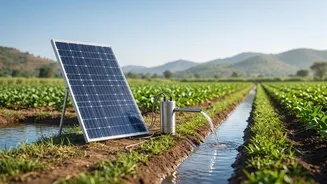
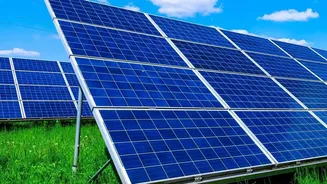
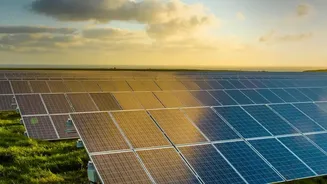
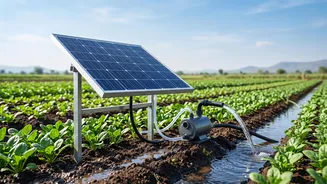
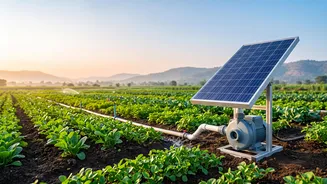
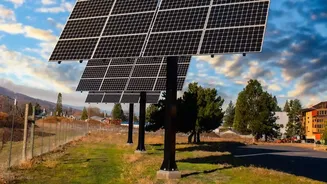
A micro-pump is a compact, portable, and highly efficient water pump, often powered by solar energy. Unlike their heavy, stationary diesel counterparts, these pumps are designed for the needs of small-scale agriculture. A typical setup involves a few solar panels connected to a submersible or surface pump that can draw water from a well, borewell, or river. The key innovation lies in their accessibility and low operational cost. Once installed, the energy from the sun is free, liberating farmers from the weekly expense of purchasing diesel. Several government initiatives, such as the PM-KUSUM scheme and Maharashtra's own 'Magel Tyala Saur Krushi Pump Yojana', provide significant subsidies, making the initial investment more manageable for farmers. These programmes aim to distribute lakhs of solar pumps, helping farmers make the switch to a cleaner, more reliable power source for irrigation.
Slashing the Carbon Footprint
The most immediate environmental benefit of switching from diesel to solar micro-pumps is the drastic reduction in greenhouse gas emissions. Traditional diesel pumps are significant contributors to air pollution in rural areas. By harnessing solar power, micro-pumps produce zero emissions during operation, contributing to cleaner air and helping India meet its climate goals. The impact goes beyond just carbon. Noise pollution from diesel engines, a constant disturbance in the rural soundscape, is eliminated. Furthermore, the risk of soil and water contamination from diesel or oil spills is completely removed, preserving the long-term health of the agricultural land. This shift represents a move towards a truly green and sustainable farming practice.
More Than Just Cleaner Air
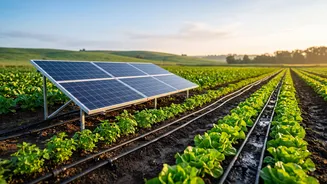
The environmental advantages of micro-pumps extend deep into resource management, especially water conservation. Because these pumps are often paired with micro-irrigation techniques like drip or sprinkler systems, water is delivered directly to the plant's root zone with minimal waste. This method is far more efficient than traditional flood irrigation, where a significant portion of water is lost to evaporation and runoff. Studies show that micro-irrigation can improve water-use efficiency to over 90%, a massive leap from conventional methods. This precise application of water not only conserves a precious resource but also prevents soil degradation and nutrient leaching caused by over-irrigation. By giving each plant exactly the water it needs, farmers can cultivate more land with the same amount of water, a critical advantage in drought-prone areas. Some reports, however, caution that without proper water management, the ease of access provided by solar pumps could inadvertently lead to over-extraction of groundwater, highlighting the need for a holistic approach.
A Ripple Effect of Benefits
A lower environmental impact directly translates into improved livelihoods. With no money spent on diesel, farmers save thousands of rupees each year, which can be reinvested into their farms or families. Reliable, daytime access to water allows for the cultivation of a second or even third crop, often high-value vegetables, which significantly boosts annual income. This newfound economic stability reduces the distress migration from villages to cities that often occurs after a failed monsoon season. For women farmers, the technology reduces physical drudgery and saves time previously spent managing fuel and cumbersome equipment. Ultimately, micro-pumps are more than just an environmental tool; they are a catalyst for economic resilience, food security, and social empowerment in Maharashtra's farming communities.