



The New Cafe Menu
Not long ago, the quintessential Indian cafe experience was defined by cappuccinos, croissants, and perhaps a slice of chocolate cake. It was a culture largely imported from the West. Today, that landscape is buzzing with vibrant new additions. Walk into
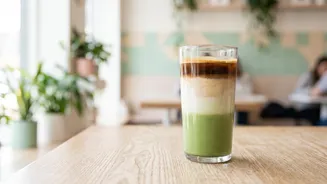
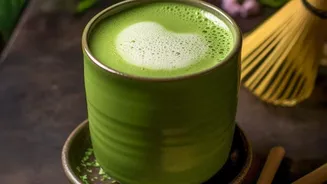
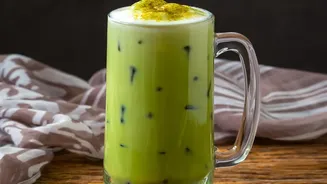
a third-wave coffee shop in Mumbai, Delhi, or Bengaluru, and you are just as likely to see a bright green matcha latte as you are a traditional espresso. This Japanese powdered green tea has rapidly moved from a niche wellness product to a mainstream beverage, driven by its visual appeal, health benefits, and adoption by urban millennials and Gen Z. Alongside this global import, there's a confident turn inwards. Menus are now dotted with creative fusions that celebrate Indian heritage: think Gajar Halwa Cheesecake, Masala Chai Tiramisu, Jaggery Lattes, and even a spicy Podi Hot Chocolate. This isn't just about adding a few new items; it's a complete reimagining of what a cafe can offer.
From Imitation to Innovation
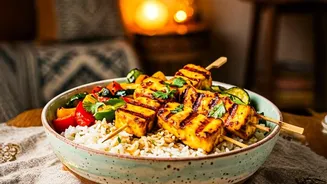
The first wave of modern cafes in India, popularised by chains like Café Coffee Day in the late 1990s, was built on bringing a global format to a new generation of Indian consumers. The goal was replication—providing an experience that felt aspirational and international. The current shift represents a move from imitation to innovation. Chefs and cafe owners are no longer content with just serving Western classics. Instead, they are using their culinary platforms to experiment. This creative confidence is reflected in dishes that blend global formats with distinctly Indian tastes, such as Pav Bhaji Fondue or Tandoori Paneer Tacos. This approach shows a maturing market where consumers are eager to explore flavours that are both novel and deeply familiar.
The Global Palate with a Local Heart
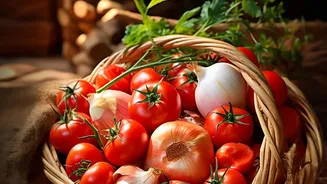
The simultaneous rise of matcha and desi flavours highlights two parallel forces shaping the Indian consumer. On one hand, global connectivity and social media have exposed urban Indians to international trends like never before. Matcha’s popularity, for instance, is fueled by its photogenic nature and its status as a wellness drink, making it a perfect fit for Instagram feeds. On the other hand, there is a growing appreciation for local ingredients and traditions. The “farm-to-table” concept has gained significant traction, with a notable increase in establishments focusing on sourcing locally and celebrating regional produce. This isn't just about sustainability; it's about authenticity and flavour. Consumers are showing a renewed interest in ingredients and recipes that connect them to their roots, creating a demand for offerings that feel both modern and authentic.
A Health-Conscious Generation
Underpinning this shift is a growing emphasis on health and wellness. Many consumers are actively seeking alternatives to coffee, and matcha provides a gentle caffeine boost without the crash. Google search trends in India show a massive spike in queries related to the health benefits of matcha, its caffeine content, and how to prepare it at home. Similarly, the return to Indian flavours often involves a focus on the inherent wellness properties of traditional spices and ingredients like turmeric, jaggery, and saffron. Cafes are responding by offering beverages that are not just tasty but also functional, catering to a customer base that wants their indulgence to come with a side of well-being. This trend points towards a more mindful consumer who reads the ingredients list as carefully as the menu description.