


A Season of Contrasts
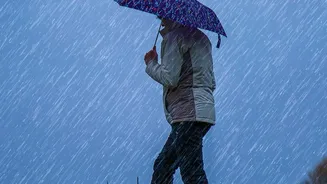
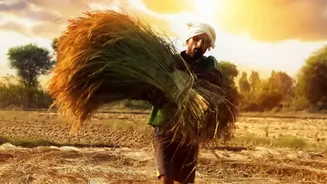
The southwest monsoon of 2026 has been a story of stark contrasts. The India Meteorological Department (IMD) has indicated that the season is likely to end with a notable deficit for the country as a whole. This uneven distribution, influenced by a strengthening
El Niño in the Pacific, has resulted in significant rainfall shortages in some areas, particularly across the south peninsula, while other regions have experienced adequate or even heavy rainfall in short bursts. This patchiness is the primary driver of uncertainty for the winter tourism outlook, as different destinations face distinctly different challenges. A strong El Niño is also expected to persist through the winter, potentially leading to warmer-than-normal temperatures across many parts of the country.
Himalayan Hopes and Fears
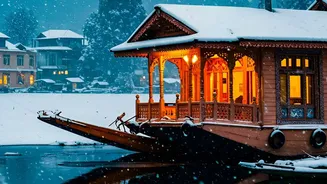
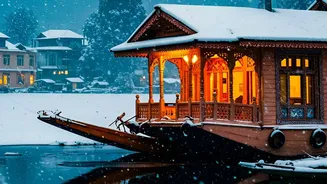
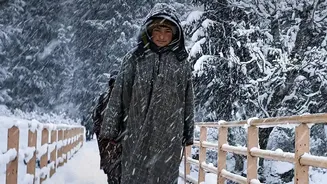
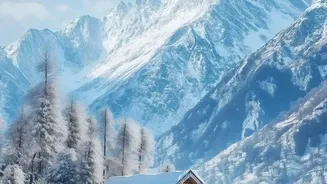
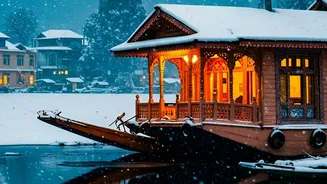
For the Himalayan states of Himachal Pradesh, Uttarakhand, and Jammu and Kashmir, the winter economy is deeply linked to snowfall. A weaker monsoon can sometimes be followed by weak western disturbances—the weather systems that bring crucial winter snow. Concerns are growing about a potential 'snow drought,' which could mean a shorter ski season in popular resorts like Gulmarg and Auli and less of the picture-perfect white landscape that draws tourists. Forecasters note that while January is typically the most reliable month for heavy snowfall at altitudes above 2,500 metres, the overall trend points toward more erratic patterns. A warmer winter, as suggested by long-range forecasts, could further impact snow accumulation, affecting not just adventure sports but also the livelihoods of guides, hotel owners, and local businesses who depend on a bustling snow season.
Coastal Concerns in Goa and Kerala
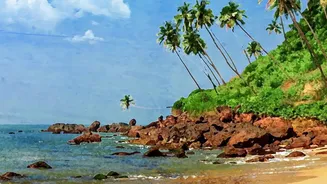
The situation is different for coastal hotspots like Goa and Kerala. Here, the concern isn't a lack of snow, but the availability of water. The south peninsula has faced a significant rainfall deficit during the monsoon. In Goa, there were already concerns mid-year about dropping water levels in reservoirs, which are crucial for supplying water to the hospitality industry during the peak tourist months from December to February. A below-normal monsoon strains these resources, raising the possibility of water shortages that could impact hotels and services. While the post-monsoon period generally brings clear skies ideal for beach tourism, the underlying water stress could pose a significant operational challenge for a sector gearing up for high tourist footfall.
A Brighter Outlook for the Plains?
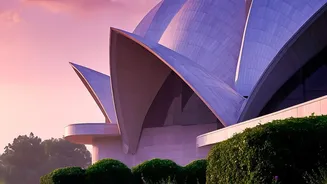
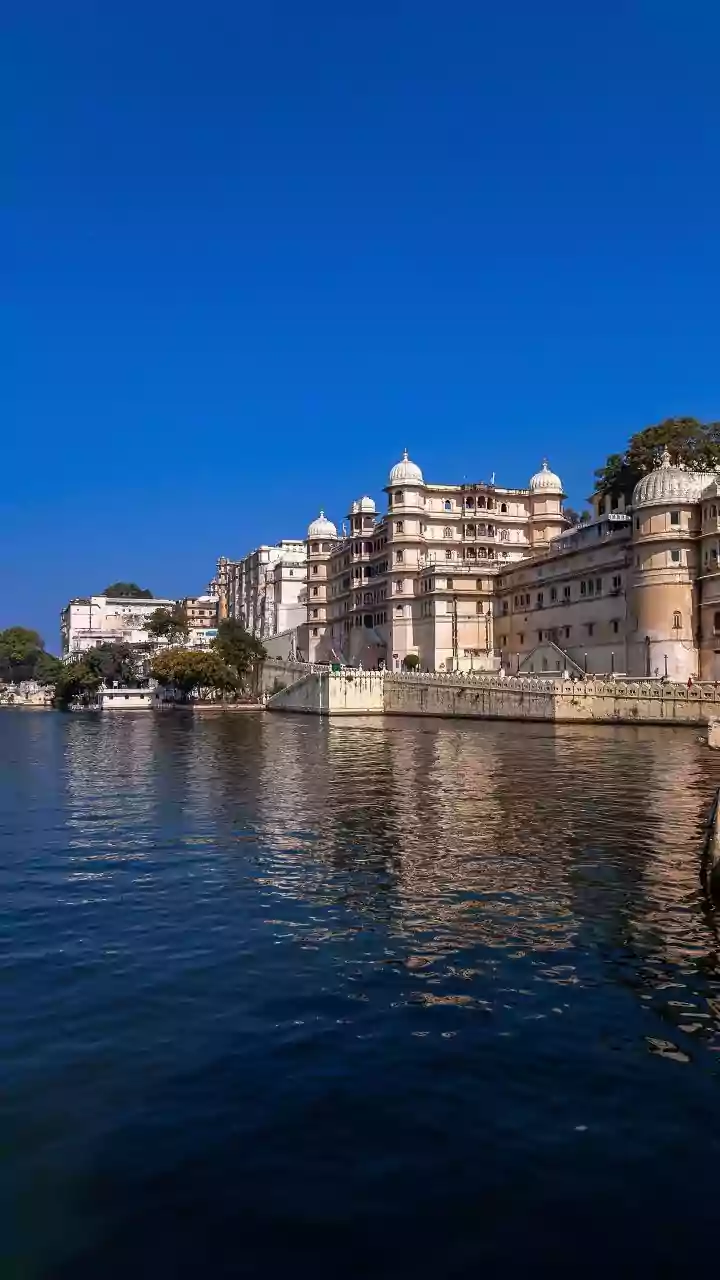
There could be a silver lining for the heritage and desert circuits of Rajasthan and surrounding states. A less intense and timely withdrawal of the monsoon often leads to pleasant, dry, and clear weather, creating ideal conditions for sightseeing and cultural tourism. Rajasthan, which has already seen a strong recovery in tourist arrivals in the first half of 2026, could benefit from this weather pattern. With its forts, palaces, and wildlife reserves, the state offers a diverse experience that is less dependent on precipitation. If the north faces a snow deficit and the coasts grapple with water issues, the classic Golden Triangle and Rajasthan circuits may become even more attractive options for both domestic and international travellers seeking a hassle-free winter holiday.