




From Blank Canvas to Instant Concept
For decades, the design process began with a blank screen. A designer would spend hours, sometimes days, sketching wireframes, sourcing inspiration, and building a visual concept from scratch using tools like Adobe Photoshop or Figma. Today, that process is being
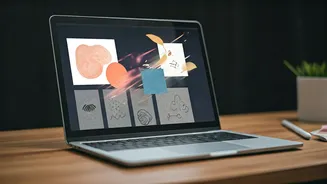
short-circuited by generative AI. Tools like Midjourney, DALL-E 3, and specialized UI-focused platforms such as Uizard are changing the game. Instead of drawing every element, a designer can now simply type a text prompt—for instance, 'a vibrant, playful mobile app interface for a food delivery service in India'—and receive multiple, high-fidelity visual concepts in seconds. These aren't just random images; they are coherent design ideas complete with layout suggestions, colour palettes, and typographic styles. This fundamental shift from manual creation to AI-powered direction is at the heart of the current revolution in web design.
The Need for Unprecedented Speed
The primary driver behind this adoption is speed. In India's competitive digital landscape, startups and agencies operate on tight deadlines. The ability to present a client with three distinct visual directions within an hour, rather than a week, is a massive competitive advantage. Young designers, particularly freelancers and those in agile teams, are leveraging these tools to accelerate the most time-consuming part of their workflow: initial ideation and mockup creation. Previously, creating a single polished mockup could take a full day's work. Now, designers can generate a dozen concepts, select the most promising ones, and use them as a robust starting point for refinement in traditional software. This allows them to spend less time on tedious manual tasks and more time on user experience (UX) strategy, interaction design, and client collaboration—the areas where human insight remains irreplaceable.
A Generational and Mindset Shift
It’s no surprise that younger designers are leading this charge. As digital natives, they are often more comfortable experimenting with new technologies and less attached to legacy workflows. Many entered the industry at a time when AI was already becoming a mainstream topic. For them, using a generative tool feels as natural as using a filter on Instagram. There’s less fear of the technology replacing them and more curiosity about how it can augment their abilities. Furthermore, this generation is often under immense pressure to build a portfolio and secure clients quickly. AI tools provide a way to rapidly generate diverse and professional-looking work, helping them showcase their creative direction and taste even if they haven't yet mastered the deep technicalities of older software.
Beyond Speed: Breaking the Creative Block
While speed is the headline benefit, the impact of these tools runs deeper. Every creative professional knows the feeling of staring at a blank page, waiting for inspiration to strike. Generative AI acts as an indefatigable brainstorming partner. It can produce unexpected combinations of styles, colours, and layouts that can jolt a designer out of a creative rut. A designer might ask for a 'minimalist tech website' but receive a version with an unusual colour accent or an unconventional grid that they wouldn't have considered on their own. This ability to explore the 'adjacent possible' widens the creative funnel, leading to more innovative and diverse outcomes. It also democratizes high-quality visuals; a designer can instantly generate custom icons, illustrations, or photorealistic background images that previously would have required a separate specialist or expensive stock photo subscriptions.
The Inevitable Concerns and Criticisms
However, the rapid adoption of AI in design is not without its critics. A primary concern is the potential for aesthetic homogenisation. If thousands of designers are using the same models with similar prompts, will we enter an era of bland, lookalike websites? Another significant worry is skill atrophy. If junior designers can bypass the foundational skills of layout, typography, and colour theory by relying on AI, they may never develop the core competencies needed for true design mastery. There is also the issue of managing client expectations. Once a client sees that a mockup can be generated in minutes, they may start to undervalue the complex strategic thinking and refinement process that follows, demanding instant results for every stage of a project. Navigating these challenges is becoming a new, essential skill for the modern designer.