

What 'Regional' Really Means
Before you can plan around a regional calendar, it’s helpful to know what 'regional' or 'local' signifies. There's no single definition, but it generally refers to food grown within a certain radius of where you live. This could be within your state or a specific
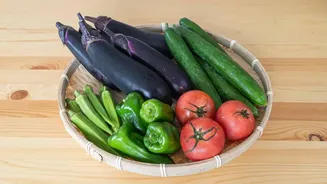
agricultural zone that crosses state lines. The core idea is to reduce the distance food travels from farm to table. This is different from a supermarket that might source produce globally, where an apple could be up to a year old before you buy it. A regional calendar, therefore, is a guide to what is being harvested nearby right now, offering maximum freshness and nutritional value.
The Nuances of Seasonality
Seasonality is the engine of any produce calendar, but it’s more complex than just four distinct seasons. A region’s climate is influenced by countless microclimates—small pockets where conditions differ from the surrounding area. A valley might be protected from frost, allowing for earlier spring greens, while a south-facing slope warms faster, encouraging fruit trees to bloom sooner. Factors like elevation, soil type, and rainfall patterns all create subtle variations in harvest times. This is why a friend a few hours away might get strawberries a week before you do. An effective calendar acknowledges these nuances, understanding that 'summer' for a farmer can have many distinct phases.
Farming's Helping Hand
Modern and traditional farming techniques play a huge role in what's available and when. These 'season extension' methods are used by farmers to start crops earlier in the spring and continue harvesting later into the fall. Simple structures like row covers, low tunnels, and cold frames act like mini-greenhouses, trapping heat and protecting plants from light frosts. Larger high tunnels or 'hoophouses' allow for year-round cultivation of certain crops, even in colder climates. This is why you might find surprisingly fresh tomatoes in late autumn or leafy greens in early spring at your local market. These techniques give farmers more control over growing conditions, providing a more consistent supply for the community.
The Art of Preservation
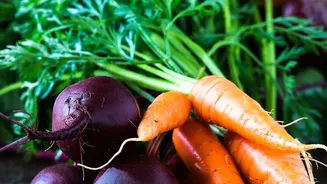
A smart regional eating plan doesn’t end when the fresh harvest is over. Preservation is a key strategy for enjoying local abundance all year. Techniques like freezing, canning, pickling, and drying allow you to capture the peak flavour and nutrition of seasonal produce to be enjoyed months later. Freezing is one of the easiest methods and preserves high nutritional value for items like berries, corn, and blanched vegetables. Canning can make tomatoes, peaches, and green beans shelf-stable for the winter, while pickling can transform cucumbers, beets, and cauliflower into tangy delights. By planning to preserve, you turn a seasonal calendar into a year-round pantry, reducing food waste and connecting you to the harvest long after it's passed.
Building Your Personal Calendar
So, how do you put this all together? Start by finding a general produce calendar for your state or region; many local agricultural departments or farmers' market associations publish these online. Then, treat it as a flexible guide, not a rigid set of rules. The best approach is often to reverse your meal planning: visit the market first to see what is truly fresh and abundant, then plan your meals around your purchases. Talk to the farmers. They are the ultimate experts on what’s peaking, what’s coming next, and how growing conditions are affecting the harvest. By combining a basic calendar with on-the-ground observation and a willingness to be flexible, you can create a truly dynamic and rewarding eating plan.