



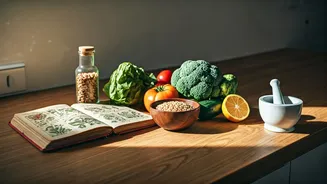


The Quinoa Quandary vs. Mighty Millets
Quinoa, the poster child of the global wellness movement, is praised for being a complete protein, containing all nine essential amino acids. [3] This has made it a staple for health-conscious individuals. However, India's own ancient grains, millets
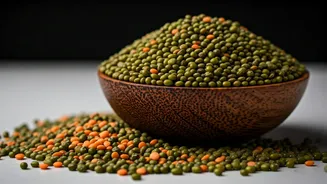
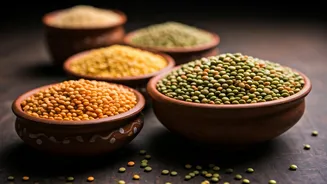
(like ragi, bajra, and jowar), and amaranth (rajgira) offer a compelling, homegrown alternative. While quinoa leads slightly in complete protein, various millets often boast higher fibre content, more calcium (especially ragi), and more iron (especially barnyard millet). [10, 5, 15] Millets are also naturally gluten-free, have a low glycemic index suitable for diabetics, and are incredibly versatile. [5, 4] Economically, the choice is clear: locally grown millets are significantly more affordable and support Indian farmers, while reducing the carbon footprint associated with importing goods from South America. [10, 21]
Beyond the Kale Craze with Moringa Magic
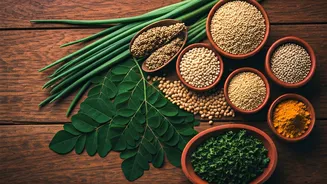
Kale smoothies and salads have become synonymous with clean eating. But long before kale became a trend, Indian households were using moringa (drumstick leaves), a true nutritional powerhouse. Often called the 'miracle tree', moringa leaves are packed with vitamins, iron, and calcium. [7, 19] When compared to kale, moringa offers substantially more protein, iron, and calcium. [18] While kale is a good source of vitamins C and K, moringa provides a wider range of micronutrients that fight fatigue and boost immunity. [15, 18] Furthermore, moringa is a climate-resilient crop that grows abundantly across India, making it a fresher, more sustainable, and far cheaper option than imported kale, which often wilts during transport and doesn't grow naturally in our climate. [17, 18]
The Seed Showdown: Sabja vs. Chia
Chia seeds, native to Mexico, have gained immense popularity for their ability to absorb liquid and form a gel, rich in omega-3 fatty acids and fibre. But Indian cuisine has its own version: sabja, or basil seeds. Both seeds promote feelings of fullness, aiding in weight management. [1, 12] Chia seeds have a slight edge in protein content and a significantly higher amount of heart-healthy omega-3s. [1, 6] However, sabja seeds are known in Ayurveda for their potent cooling properties, making them ideal for the Indian climate, especially during summer. [2, 15] They are excellent for digestion and have been a traditional ingredient in drinks like falooda for generations. Sabja offers similar gelling and fibre benefits at a fraction of the cost, making it a smart and culturally resonant choice. [2, 1]
The Amla Advantage
Imported berries like goji and acai are often touted for their high antioxidant content. But the humble amla, or Indian gooseberry, is a formidable competitor. Amla is one of the most potent natural sources of Vitamin C, containing significantly more than oranges and offering antioxidant benefits comparable to expensive imported berries. [7, 8] Used in Ayurveda for centuries, it is known to boost immunity, aid digestion, and promote healthy skin and hair. [7, 15] Unlike goji berries, which travel thousands of miles and can be heavily processed, amla is widely available, affordable, and can be consumed fresh, juiced, or powdered, making it a superior local choice for daily wellness.
Returning to Our Roots
The return to regional staples is about more than just finding cheaper alternatives. It’s a reconnection with the wisdom of our ancestors, who ate according to the seasons and the land. [20] Traditional Indian dietary patterns, rich in diverse grains, dals, and vegetables, are naturally high in fibre and nutrients that support a healthy gut microbiome. [25] This approach contrasts sharply with the environmental and economic costs of a globalised food system where foods are flown across continents. [24] Opting for ghee over imported oils, or local leafy greens over kale, is a vote for sustainability, local economies, and a nutritional philosophy that is better adapted to our bodies and our environment. [14, 20]