






The Great Indian Dietary Shift
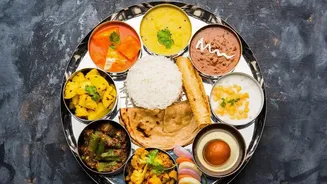
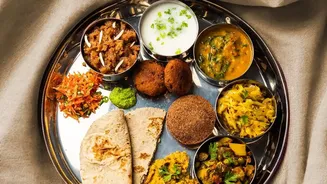
For generations, the traditional Indian diet has been celebrated for its reliance on fresh vegetables, lentils, whole grains, and a rich array of spices. However, a significant transformation is underway. Driven by rapid urbanisation, rising incomes,
and the pervasive influence of global food culture, there's a clear move away from these wholesome, minimally processed meals. In their place, ultra-processed foods (UPFs) — industrial formulations high in refined sugars, unhealthy fats, and sodium — are becoming increasingly common. Studies show that an average Indian household now gets more calories from processed foods than from fruits. This dietary transition is not just an urban phenomenon; it's penetrating rural areas as well, fundamentally altering the nutritional landscape of the entire country.
A Tale of Two Indias: The Double Burden
The most alarming consequence of this shift is the emergence of a 'dual burden of malnutrition'. This means India is simultaneously fighting two battles: persistent undernutrition in some segments of the population and a dramatic surge in over-nutrition, manifesting as overweight and obesity, in others. It's a paradox where stunting and wasting in children can coexist with rising obesity and diabetes in adults within the same communities, and sometimes even the same households. While India has made progress in reducing child stunting, the prevalence of adult overweight and obesity nearly doubled in a decade, with sharp increases seen in both urban and rural areas. This complex crisis shows that the country's nutritional challenges have moved beyond simple calorie scarcity to a more complicated issue of dietary quality.
Drivers of the Change
Several socio-economic factors are fuelling this dietary transformation. Rapid, and often unplanned, urbanisation means busier lifestyles where convenience often trumps tradition. The rise of quick-commerce and food delivery apps has made calorie-dense, nutrient-poor meals more accessible than ever. Higher disposable incomes have also changed consumption patterns, with the ability to afford and consume widely advertised processed foods sometimes viewed as a status symbol. Furthermore, the aggressive marketing of UPFs, particularly targeting children and adolescents, has a significant influence on food preferences and purchasing habits from a young age.
The Silent Health Crisis
The public health implications of this nutritional shift are stark and growing. Unhealthy diets are now a leading risk factor for the alarming rise of non-communicable diseases (NCDs) in India. Conditions like cardiovascular disease, hypertension, and type-2 diabetes are no longer just afflictions of the elderly or wealthy; they are increasingly affecting younger populations across all economic strata. India is now home to an estimated 101 million people with diabetes and a further 136 million in the pre-diabetes stage. Studies have established a direct correlation: every 10% increase in the share of ultra-processed foods in a person's diet is linked to a significant rise in cardiometabolic risk. NCDs now account for over 60% of all deaths in the country, a burden that puts immense strain on the healthcare system and the national economy.
The Path Forward
Addressing this multifaceted crisis requires a concerted effort. Public health experts and bodies like the Indian Council of Medical Research (ICMR) are pushing for stronger policy interventions. One of the most debated measures is the introduction of mandatory front-of-pack labelling (FOPL), which would use clear warning symbols, such as a red hexagon, to identify foods high in sugar, salt, and fat. The goal is to empower consumers to make healthier choices at a glance. Alongside policy, there's a growing conversation around 'preventive nutrition' and rediscovering the benefits of traditional Indian foods, such as millets and pulses. Shifting the focus from mere food security (having enough calories) to nutrition security (having the right nutrients) is now seen as India's next great public health challenge.