





What Is Exercise Snacking?
Imagine your body needs movement like it needs food. Instead of one large, overwhelming meal, you give it small, energising snacks throughout the day. That’s the core idea behind 'exercise snacking'. It isn't about replacing your morning run or weekly
cricket game, but about punctuating long periods of sitting with short, sharp bursts of activity. We’re talking about just one to two minutes of movement every hour. It’s a simple, powerful strategy designed to combat the health risks of a sedentary lifestyle, which has become the norm for millions of us in office jobs or working from home. The goal is not to get exhausted, but to wake your body up, get the blood flowing, and remind your muscles what they were made for: movement.
The Science-Backed Benefits
This isn't just a catchy trend; it's backed by compelling science. Research shows that even short bursts of intense activity can have significant metabolic benefits. When you sit for long periods, your body's ability to manage blood sugar becomes less efficient. A two-minute 'snack'—like doing a set of squats or climbing a few flights of stairs—can help improve insulin sensitivity and stabilise blood sugar levels, particularly after a meal. Studies have also linked these micro-workouts to improved cardiovascular health, better blood pressure regulation, and enhanced mood and cognitive function. By breaking up your sedentary time, you’re essentially giving your body a regular reset, preventing the slow-down that comes with inactivity and keeping your physical and mental energy levels more consistent throughout the day.
Perfect for the Time-Poor Professional
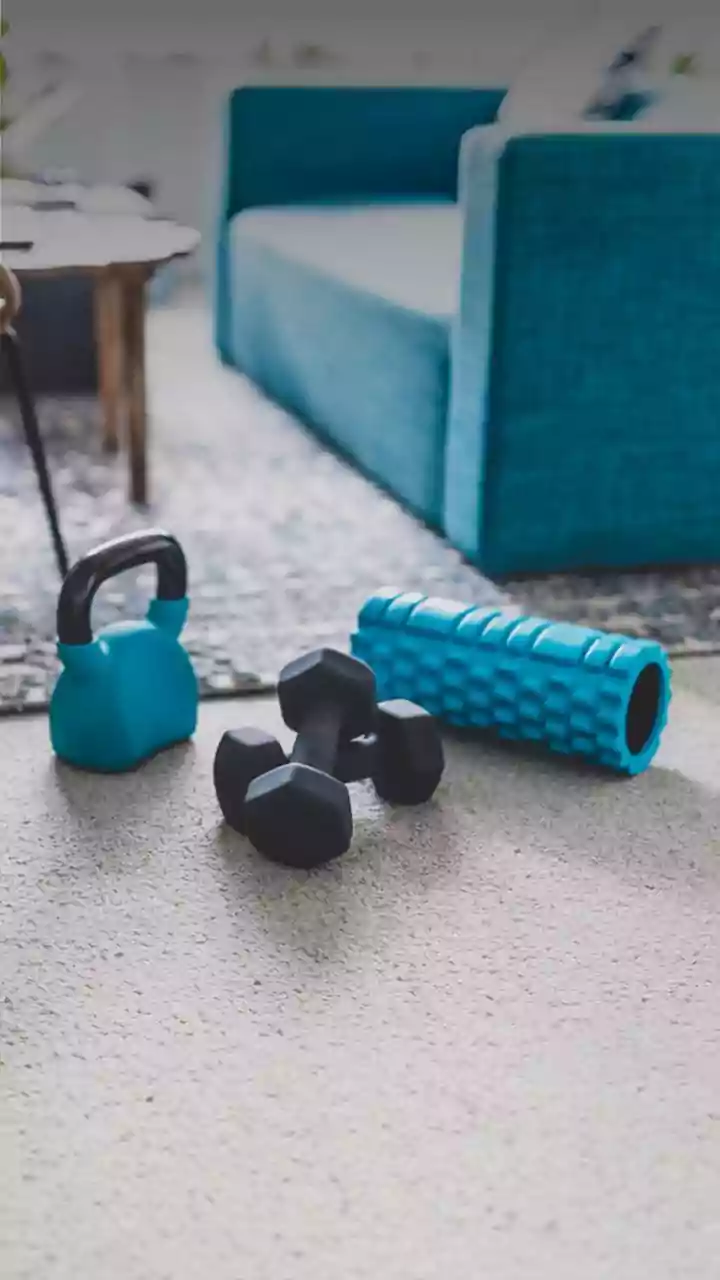
The biggest barrier to fitness for many is time. Between long work hours, commutes, and family responsibilities, finding a continuous 60-minute block for exercise can feel like a luxury. Exercise snacking dismantles this barrier. You don't need to change into gym clothes. You don't need expensive equipment. You don't even need to leave your workspace. It integrates seamlessly into your existing routine. Have a ten-minute break between calls? Perfect for five two-minute snacks. Waiting for a file to download? Do a wall sit. This approach makes fitness accessible and sustainable, removing the 'all or nothing' pressure that often leads to doing nothing at all. It’s a practical solution for the realities of modern Indian work life.
Your Two-Minute Movement Menu
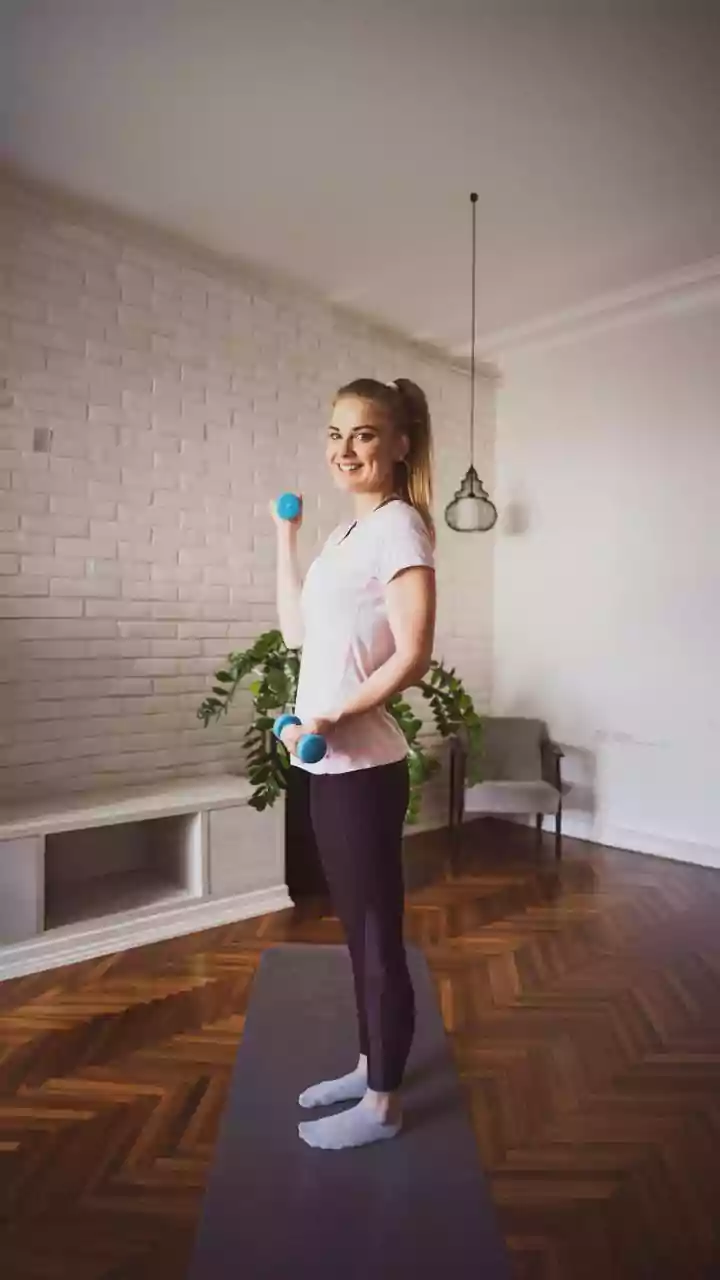
Ready to get started? The key is to choose exercises that get your heart rate up and engage major muscle groups. You can mix and match or do the same one every hour. Here are a few ideas you can do almost anywhere: * **Bodyweight Squats:** Stand with feet shoulder-width apart and lower your hips as if sitting in a chair. Keep your chest up. Do as many as you can in 60 seconds. * **Jumping Jacks:** A classic for a reason. They are a full-body exercise that elevates your heart rate quickly. * **High Knees:** Stand in place and run, bringing your knees up towards your chest. A great cardiovascular burst. * **Wall Sit:** Lean your back against a wall and slide down until your knees are at a 90-degree angle, as if sitting in an invisible chair. Hold for 30-60 seconds. * **Stair Climbing:** If you have access to stairs, briskly walking or running up and down one or two flights is one of the most effective exercise snacks available. * **Desk Push-ups:** Place your hands on the edge of a sturdy desk and walk your feet back. Lower your chest towards the desk and push back up. This is a great way to work your upper body.
Making It a Consistent Habit
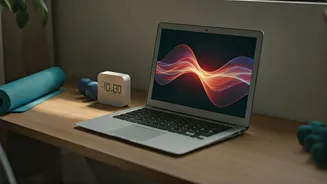
The secret to reaping the benefits of exercise snacking is consistency. The best way to ensure you do it is to remove the need for willpower. Set an alarm on your phone or smartwatch to go off every hour as a reminder to move. You can 'habit stack' by linking your movement snack to an existing routine—for example, every time you get up to refill your water bottle, do a minute of squats first. Put a sticky note on your computer monitor that says 'Time for a snack!' Start small. Don't try to do it every single hour on your first day. Aim for two or three snacks a day and gradually build up. The goal is to make it an automatic part of your day, just like checking your email or having a cup of chai.