






Indian Railway Catering and Tourism Corporation (IRCTC) is testing a new 'less is more' approach to onboard dining. A pilot program has rolled out on three Vande Bharat Sleeper routes with a shorter, more focused menu for passengers.
The Routes Under Review
This trial, which
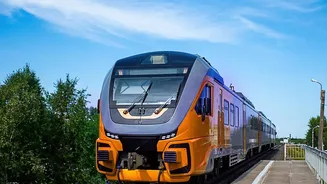
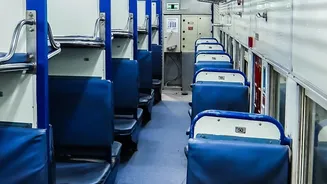
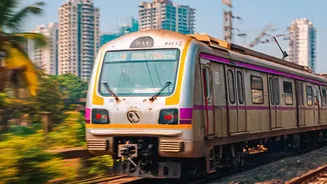
began on November 1, 2026, is currently active on three key Vande Bharat Sleeper train routes. Passengers travelling on the New Delhi-Varanasi, Mumbai-Bengaluru, and Howrah-Kamakhya (Guwahati) services are the first to experience this new catering model. The initiative is in a trial phase, and IRCTC has stated that it is closely monitoring passenger feedback on these routes before making any decision on a wider rollout across the Vande Bharat network or other premium trains.
From Lavish Spreads to Curated Choices
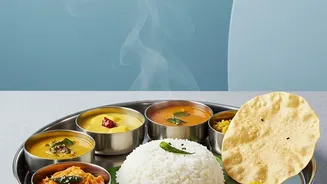
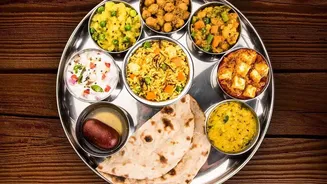
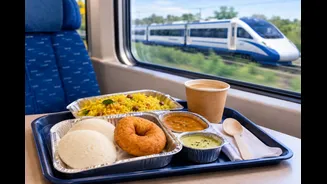
The change marks a significant shift from the previous, more elaborate meal trays. Formerly, a meal could consist of eight to ten different items, including multiple side dishes. Under the new system, this has been streamlined to about four items per meal. For breakfast, options like omelettes, sandwiches, soup, and buttermilk have been removed. Passengers are now offered a choice between core dishes like idli-vada, poha, or upma. Similarly, the lunch and dinner menus have been simplified. Accompaniments such as curd, pickles, salads, sweets, and a separate dry vegetable dish have been taken off the tray. The main meal now consists of staples like chapati, rice, and dal, served with a single main vegetable dish or a chicken option for non-vegetarian passengers.
The Rationale: Quality Over Quantity
The primary driver behind this change is a push to improve food quality and address passenger complaints. Officials have explained that managing a large variety of dishes presents operational challenges, especially in the limited space of a pantry car, and can affect freshness and consistency. By reducing the number of items, IRCTC aims to make quality control easier to monitor for each dish. This approach is similar to the meal service on airlines, focusing on delivering a few items well, rather than many items with varying quality. The overall weight of a meal tray has also been reduced from about 700-750 grams to 450-500 grams, though officials clarify this is due to removing items, not shrinking the portion sizes of the remaining dishes.
A New Catering Model
This pilot project also involves a change in how the food is sourced. Instead of relying on previous vendors or in-house railway kitchens alone, IRCTC is partnering with large, established cloud kitchens and hospitality groups. For instance, partners like TajSATS and the Mayfair Group have been brought on for some of the routes to prepare the meals. This move is intended to bring more professionalism and standardisation to the entire supply chain, from meal preparation in industrial kitchens to the final service on the train. The focus is on improving kitchen infrastructure and processes to ensure fresh and hygienic food reaches the passenger.
What This Means for Passengers
For travellers on these routes, the most immediate change is a more concise menu. While this means fewer choices and accompaniments, the stated goal is a more reliable and higher-quality meal. Catering charges on Vande Bharat trains are typically included in the ticket fare, though passengers often have a 'no-food' option during booking. With a reduction in both the number of items and the overall meal weight, passengers are watching to see if this will lead to any adjustments in catering charges in the future, though no official announcement has been made on this front. For now, the success of this trial depends entirely on passenger feedback, which will determine if this streamlined dining experience becomes the new standard for India's premier trains.