

Monitor Weather and Road Conditions
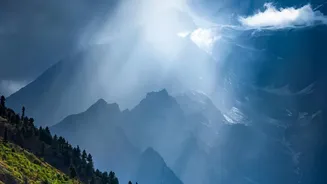
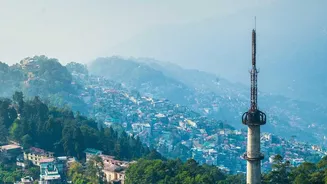
September marks the retreat of the monsoon, but it doesn't mean the rain has completely stopped. While many regions see clearer skies and pleasant temperatures, others, especially in the eastern Himalayas like Darjeeling, can still experience wet weather.
The biggest concern post-monsoon is the condition of the roads. Months of rainfall make slopes fragile, and the risk of landslides and blocked roads remains a reality, particularly in states like Himachal Pradesh and Uttarakhand. In early September 2026, reports indicated numerous road blockages in Himachal due to ongoing monsoon activity. Before you leave, and even during your journey, make it a habit to check local news and official traffic police updates for the routes you plan to take. Having a flexible itinerary can be a significant advantage.
Pack for Unpredictable Weather
Packing for a September hill trip requires smart layering. The weather can be a mixed bag; you might experience bright, sunny mornings and cool, rainy afternoons. Instead of bulky woollens, think in terms of multiple, breathable layers. A full-sleeved t-shirt, a fleece jacket, and a waterproof windcheater are essential. This combination allows you to adapt as the temperature changes through the day. Good quality, comfortable walking shoes with a solid grip are non-negotiable. Roads and trails can be slippery and muddy. Don’t forget to pack a pair of waterproof sandals or floaters for casual strolls. An umbrella and a raincoat are also must-haves for this season.
Prioritise Health and Safety
The post-monsoon environment can sometimes lead to an increase in mosquitoes and other insects. Carry a reliable insect repellent to stay protected. It's also wise to be cautious about water. Stick to bottled water or carry a portable water filter to avoid water-borne illnesses. Your travel kit should include a basic first-aid box with essentials like antiseptic wipes, bandages, pain relievers, and medication for motion sickness and indigestion. Given the fluctuating network connectivity in many remote hilly areas, a power bank is a crucial accessory to keep your devices charged.
Leverage the 'Shoulder Season' Advantage
September is considered a 'shoulder season'—the period between the peak monsoon and the busy winter tourist rush. This timing works in your favour. Popular destinations like Shimla, Manali, and Mussoorie are generally less crowded, allowing for a more peaceful experience. This often translates to better deals on flights and accommodation. While many hotels and homestays offer attractive rates, it's still important to book in advance. Also, confirm that the specific attractions you want to visit, like certain trekking routes or national parks, are open, as some may remain closed for post-monsoon maintenance.
Embrace the Unique Beauty of September
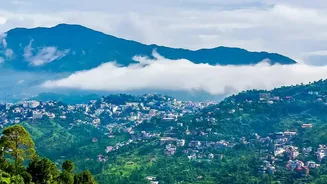
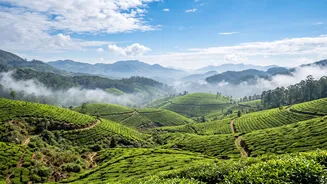
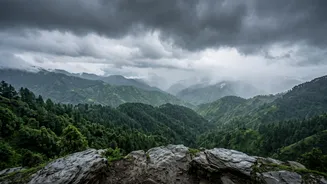
While caution is necessary, don't let it overshadow the unique charm of travelling to the hills in September. The landscape is at its most vibrant, washed clean by the rains. Waterfalls are full and spectacular, and the valleys are a blanket of emerald green. It is an excellent time for photography and for those who appreciate nature's raw beauty. In some regions, like around Shimla, it’s apple harvesting season, offering a chance to visit lush orchards. In the south, hill stations like Munnar and Ooty are incredibly refreshing, with tea and spice plantations looking their best after the rains. It's a time for serene walks, enjoying misty mornings, and savouring the crisp, clean air.