



The Famous NASA Clean Air Study
The belief that houseplants are tiny, green air purifiers stems largely from a landmark 1989 NASA study. Researchers were looking for ways to clean the air in sealed environments like space stations. They placed common houseplants in sealed chambers and found
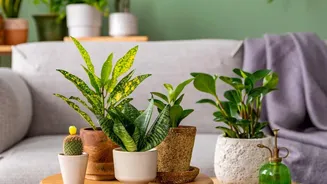
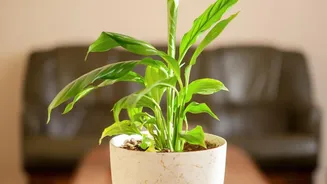
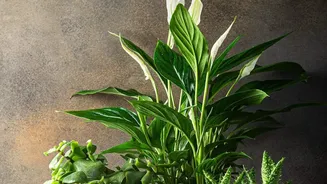
that some plants could remove surprising amounts of volatile organic compounds (VOCs) like benzene and formaldehyde from the air. These are chemicals often found in homes, released from things like furniture, paint, and cleaning products. The study was a success, and the idea of 'air-purifying plants' was born, with species like the Snake Plant and Peace Lily becoming household heroes.
A Reality Check for Your Living Room
Unfortunately, your flat is not a sealed space station. The major issue with applying the NASA study to our homes is ventilation. In a real home, air is constantly being exchanged with the outdoors through windows, doors, and tiny cracks. This natural air exchange process dilutes and removes pollutants far more effectively than a few plants can. More recent analyses of the research have concluded that to replicate NASA's results in a typical room, you would need an impractically large number of plants — anywhere from 10 to 1,000 plants per square metre. Having 680 plants in a small apartment just isn't feasible for most people. So, while plants do absorb pollutants, the effect in a normal, ventilated room is quite minimal.
The Real, Tangible Benefits of Plants
This doesn't mean you should give up on houseplants! Their benefits are immense, just perhaps not in the way we've been told. Studies have shown that interacting with indoor plants can reduce stress and improve concentration. They add life, colour, and a connection to nature that can make a sterile room feel like a home. Plants also release water vapour through transpiration, which can gently increase humidity in a dry, centrally heated room. Furthermore, some research suggests that the microbes in plant soil can increase the microbial diversity indoors, which may be beneficial for our immune systems. The psychological boost from nurturing something green is a powerful benefit in itself.
Strategic Placement for Small Spaces
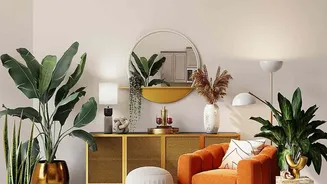
Now for the practical part: making plants work in a small room. The goal is to add greenery without creating clutter. The first rule is to work with your light. Notice which areas get bright, indirect sun and which are shadier. Placing a sun-loving plant on a bright windowsill is a no-brainer, as it saves floor space and keeps the plant happy. Think about traffic flow. Avoid placing a large, bushy plant in a narrow walkway where it will constantly be brushed against. The best placement enhances the room's function without getting in the way.
Go Vertical: The Small Room Superpower
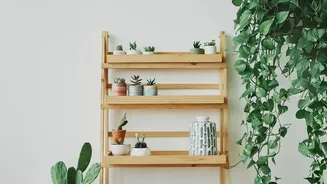
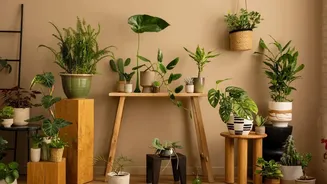
When floor space is at a premium, look up. Utilizing vertical space is the secret to a lush-feeling small room. Hanging planters are a fantastic option, especially for trailing plants like Pothos or String of Hearts, as they draw the eye upward and occupy unused air space. Wall-mounted shelves or vertical planters can turn a blank wall into a living feature. You can also choose plants that naturally grow tall and slender, like a Snake Plant or a Dracaena Marginata. These plants have a small footprint but provide a great deal of vertical green impact, making a room feel taller.
Choosing the Right Plant for the Job
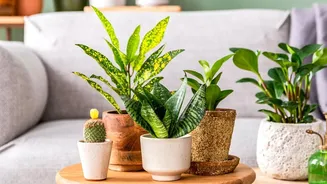
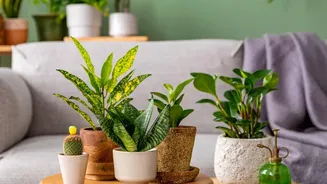
In a small space, plant selection is key. Opt for plants that won't quickly outgrow their welcome. ZZ Plants and Snake Plants are famously tolerant of low light and infrequent watering, making them perfect for darker corners where other plants might struggle. Their upright growth habit is also ideal for tight spots. Fittonia, or the Nerve Plant, stays compact and adds a pop of interesting texture to a desk or a small shelf. For those blessed with a bit more light, Pothos and Spider Plants are adaptable and can be placed on shelves or in hanging baskets.