








Beyond the Morning Jolt
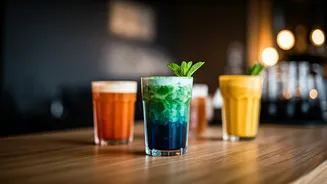
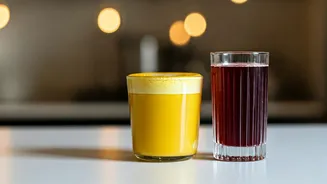
The cafe experience in India is evolving. While the aroma of freshly ground coffee remains central, the menu is expanding to include a new category of 'functional beverages'. [4] These are drinks designed to do more than just quench thirst or provide
a caffeine kick; they're crafted with ingredients that claim to offer specific health benefits. [20] This trend is driven by a growing consumer interest in wellness, with many people seeking healthier, purposeful options. [8, 17] In a country with a rich history of functional drinks like turmeric milk and kadha, this modern shift feels both new and familiar. [20] The global market for these drinks is booming, and India is catching on, with the market expected to grow significantly in the coming years. [4, 21]
The Hydration Hustle
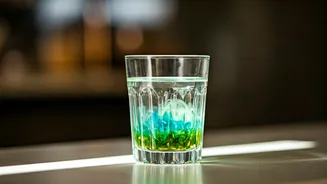
One of the most common claims is enhanced hydration. You might see cafe menus featuring water infused with electrolytes, fruits, and minerals. But are they better than plain water? For most daily activities, water is perfectly sufficient for hydration. [13, 10] However, electrolyte drinks can be beneficial during or after intense exercise when the body loses significant amounts of minerals like sodium, potassium, and magnesium through sweat. [12, 14, 15] Sodium, in particular, helps the body retain water and can stimulate thirst, encouraging you to drink more. [12, 10] For the average cafe-goer, a fancy hydration drink is likely not a necessity, but it can be a refreshing, low-sugar alternative to other beverages. [14]
Can You Sip Your Way to Focus?
The promise of a 'focus-enhancing' coffee is particularly alluring. These drinks are often infused with adaptogens—herbs, roots, and mushrooms that may help the body manage stress—and nootropics, compounds claimed to boost cognitive function. [5, 2] Ingredients like Ashwagandha, Rhodiola, and Lion's Mane mushroom are appearing in lattes and cold brews. [2] Science suggests some of these adaptogens can help with mental clarity, stress resilience, and mood stability, particularly when used consistently over time. [3, 5, 9] For instance, Tulsi (Holy Basil) has long been used in Ayurveda to increase focus. [9] However, the effects can be subtle, and the dosage in a single cafe beverage may be lower than what's used in clinical studies. [6] While these drinks can be a supportive ritual, they are not a magic bullet for concentration. [3]
Your Gut's New Best Friend?
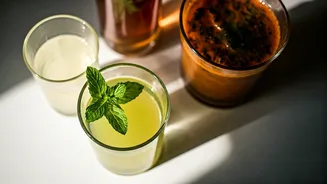
Gut health is a major wellness trend, and cafes are responding. Menus now feature probiotic-rich options like kombucha on tap, kefir-based smoothies, and even traditional Indian fermented drinks like Chaas and Kanji. [7, 16] Probiotics are live bacteria that can help balance the gut microbiome, which is linked to digestion and overall immunity. [11] The kombucha market in India, in particular, is growing rapidly as consumers seek out these fizzy, fermented teas. [4, 7] While coffee itself can have a positive prebiotic effect on the gut, a single serving of a probiotic drink might not be a cure-all. [19, 26] The key is consistency and being mindful of added sugars, which can counteract some of the benefits. [23, 24]
To Sip or to Skip?
So, should you invest in these functional beverages? While some claims are stronger than others, the trend reflects a positive shift toward more mindful consumption. [22] Many Indian cafes are cautious about using overt health labels, focusing instead on taste and quality, which is a good sign. [17] When choosing a functional drink, look for transparency in ingredients, be wary of drinks high in sugar, and manage your expectations. [23] These beverages can be a fun and interesting part of a balanced lifestyle, but they work best as a supplement to, not a replacement for, a healthy diet, good sleep, and regular exercise. [2] Think of them as a potential upgrade to your daily ritual, but not a shortcut to perfect health.