




1. Underestimating Health Risks
Treating the monsoon like any other season is a primary health mistake. The humidity and standing water create breeding grounds for mosquitoes and increase the risk of water-borne diseases like typhoid and cholera. Street food, however tempting, can be
a major source of contamination during this time due to lower hygiene standards. Always drink bottled or purified water, opt for freshly cooked hot meals, and carry a basic medical kit with you. This should include insect repellent, antiseptic cream, bandages, and any personal medications, especially for common ailments like colds and stomach infections.
2. Packing the Wrong Clothes and Footwear
Heavy fabrics like denim and regular sneakers are your worst enemies in the rain. They get soaked easily and take forever to dry, leaving you uncomfortable and increasing the risk of fungal infections. The smart traveller packs lightweight, quick-drying clothes such as synthetic or dri-fit T-shirts and trousers. When it comes to footwear, sturdy, waterproof sandals or floaters with good grip are essential for navigating slippery, waterlogged streets. A reliable raincoat or poncho and a sturdy umbrella are non-negotiable items.
3. Ignoring Road Conditions and Alerts
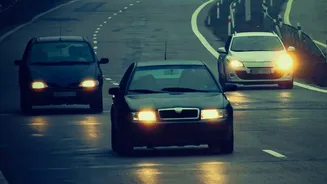
Monsoon rains can wreak havoc on India’s roads, causing everything from urban waterlogging to devastating landslides in hilly regions. As recently as August 2026, heavy rains have caused road washouts and closures in states like Uttarakhand and Himachal Pradesh. Treating heavy rain as a minor inconvenience is a huge misstep. Before setting out, and during your trip, always check weather forecasts and local traffic advisories. Driving at high speeds on wet roads is incredibly risky; it's crucial to slow down and maintain a safe distance from other vehicles. Hiring a local driver who knows the terrain and safe routes is often the wisest choice.
4. Creating a Rigid, Inflexible Itinerary
One of the biggest mistakes is packing your schedule too tightly, leaving no room for weather-related delays. A sudden downpour can lead to road closures, delayed flights or trains, and temporarily shut down tourist attractions. Experienced travellers build buffer days into their plans. This flexibility allows you to adapt when things go wrong. Instead of getting frustrated by a cancelled activity, you can enjoy a relaxing day at your hotel, sipping tea and watching the rain, which can be a magical experience in itself. The key is to embrace the unpredictable nature of the season.
5. Forgetting to Protect Your Electronics
An unexpected downpour can spell disaster for your expensive gadgets like phones, cameras, and laptops. A non-functional phone is the last thing you want during an emergency. Don’t leave this to chance. Simple precautions can save you a lot of trouble. Invest in waterproof phone cases and use dry bags or even simple zip-lock bags for chargers, power banks, and other electronics. It's also wise to carry a fully charged power bank, as power cuts can be more frequent during the monsoon.
6. Choosing an Unsuitable Destination
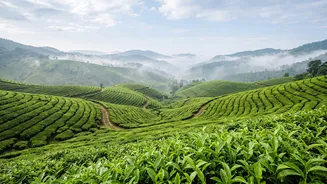
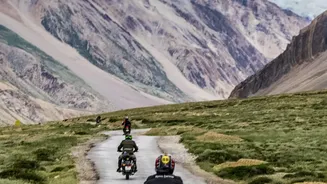
Not all destinations in India are created equal during the monsoon. While some places like Kerala, Coorg, and Goa become exceptionally beautiful, others are best avoided. Hill stations in regions like Uttarakhand and Himachal Pradesh can be prone to landslides, making travel dangerous. Conversely, some areas like Ladakh and parts of Rajasthan receive very little rainfall during this period, making them excellent choices if you want to avoid the rain altogether. Research your destination's typical monsoon conditions before booking to ensure it aligns with the experience you’re seeking.
7. Not Having Backup and Emergency Info
Relying solely on digital maps and contacts can be risky, especially in remote areas where connectivity might be poor or during a power outage. Save offline maps on your phone for your intended routes. More importantly, keep a physical or digital copy of emergency contact numbers, including local authorities, your hotel, and transport operators. Having emergency cash on hand is also a good practice for situations where digital payments might not be available. This small bit of preparation ensures you’re not left stranded if technology fails.