





Embrace Warm Soups and Broths
There is nothing more comforting on a damp, rainy day than a bowl of warm soup. During the monsoon, our digestive system can be a bit sluggish, and warm, cooked foods are easier to process. Vegetable soups, lentil broths, or a simple chicken broth are not only
nourishing and hydrating but also help keep common colds and flu at bay. Spicing them with immunity-boosting ingredients like ginger, garlic, and black pepper enhances their benefits. A small piece of ginger taken before meals can also help fire up digestion. These simple, light meals provide essential nutrients without overloading your system.
Power Up with Turmeric and Ginger
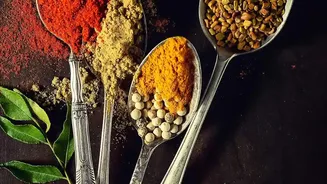
Indian kitchens are treasure troves of powerful spices, and during the monsoon, turmeric and ginger become even more essential. Turmeric contains curcumin, a compound with potent anti-inflammatory and antioxidant properties that helps strengthen the immune system. Ginger is known for its ability to soothe an upset stomach, relieve sore throats, and aid digestion. Starting your day with a warm glass of water infused with ginger or ending it with a comforting cup of turmeric milk (haldi doodh) are excellent ways to build your body's defences against seasonal infections.
Choose Seasonal Fruits Wisely
While it's tempting to reach for any fruit, the monsoon calls for specific choices. Seasonal fruits like jamun, plums, peaches, pears, and papayas are ideal. Amla, or the Indian gooseberry, is another superstar, containing significantly more Vitamin C than an orange, which is crucial for producing infection-fighting white blood cells. These fruits are packed with vitamins and antioxidants. Ayurveda suggests avoiding water-heavy fruits like watermelon during this season, as they can weaken digestion. Opting for fresh, seasonal produce ensures you get maximum nutrients.
Focus on Gut Health with Probiotics
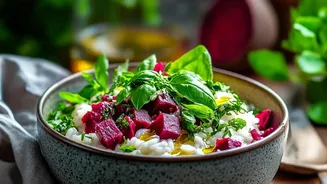
A healthy gut is directly linked to a strong immune system, a fact that becomes critical during the monsoon when the risk of waterborne and food-borne infections is high. Including probiotics in your diet can support your digestive health. Homemade curd or yogurt, buttermilk (chaas), and other fermented foods provide beneficial bacteria that protect the gut. A bowl of plain curd daily or a glass of spiced buttermilk is a simple yet powerful way to keep your digestive system in balance. However, ensure the dairy is pasteurised and fresh.
Opt for Steamed and Roasted Snacks
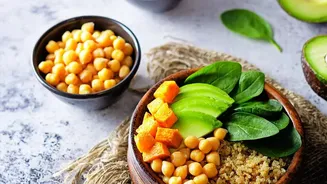
The craving for crunchy snacks is real, but you don't have to resort to deep-frying. Healthy alternatives can be just as satisfying. Consider roasted or steamed corn on the cob (bhutta), which is a quintessential monsoon favourite. Other excellent options include steamed snacks like dhokla and idli, which are light and easy to digest. Roasted makhana (lotus seeds) or a simple roasted chana (chickpea) chaat are also fantastic low-calorie, high-protein choices that provide that desired crunch without the extra oil. Air-fried or baked pakoras can also give you the same satisfaction with a fraction of the fat.
Incorporate Bitter and Light Vegetables
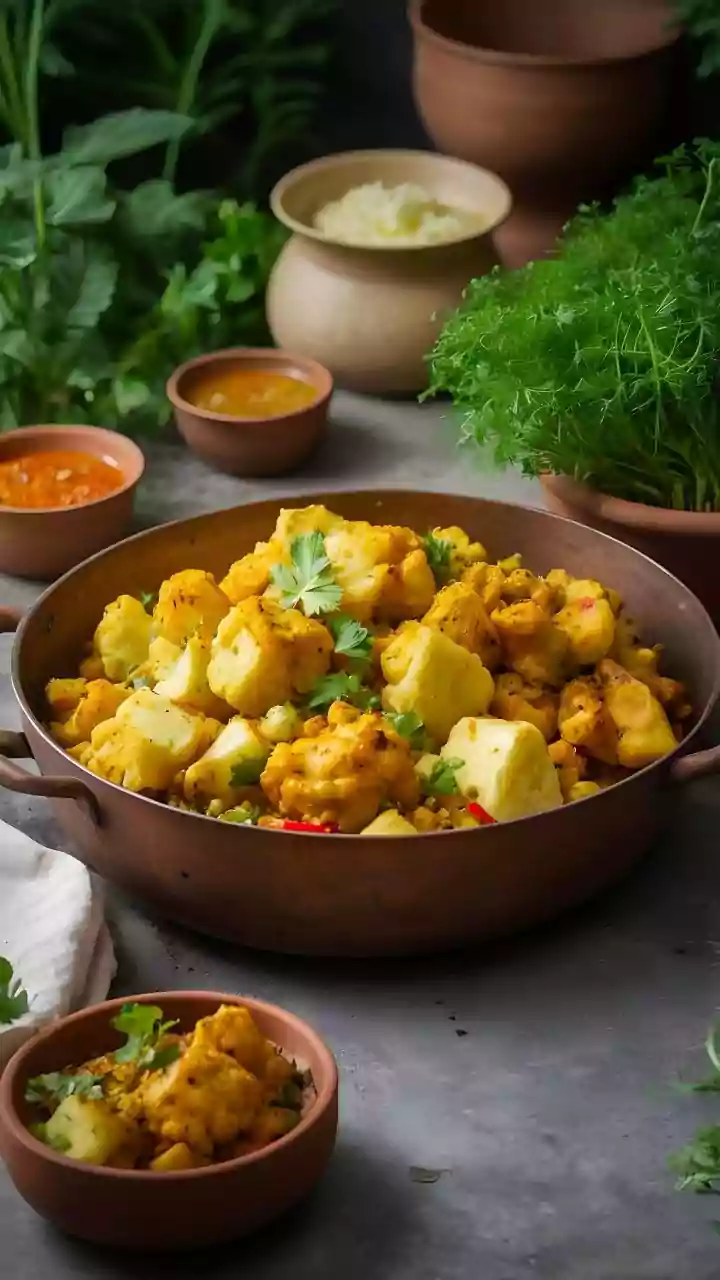
Ayurveda traditionally recommends including bitter-tasting vegetables during the monsoon, such as bitter gourd (karela), bottle gourd (lauki), and ridge gourd (turai). These vegetables are believed to have natural antimicrobial properties and help prevent infections. They are also light on the stomach and easy to digest, which is ideal when the digestive fire (agni) is considered weaker. Thoroughly washing all vegetables, especially leafy greens, is crucial during this season to remove any dirt and germs. Cooking them in stews or light curries makes for a perfect monsoon meal.