





The Allure of the Downpour
For decades, tourism in Coorg, the “Scotland of India,” followed a predictable pattern: clear, cool winters for sightseeing and warm summers for a pleasant escape. The monsoon months from June to September were considered the off-season, a time of heavy
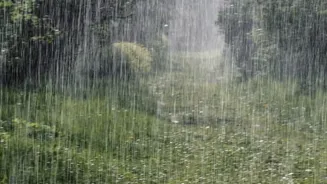
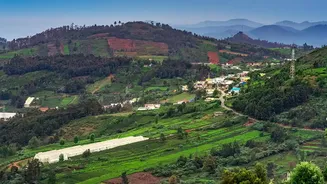
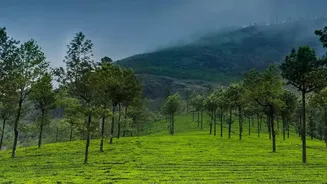
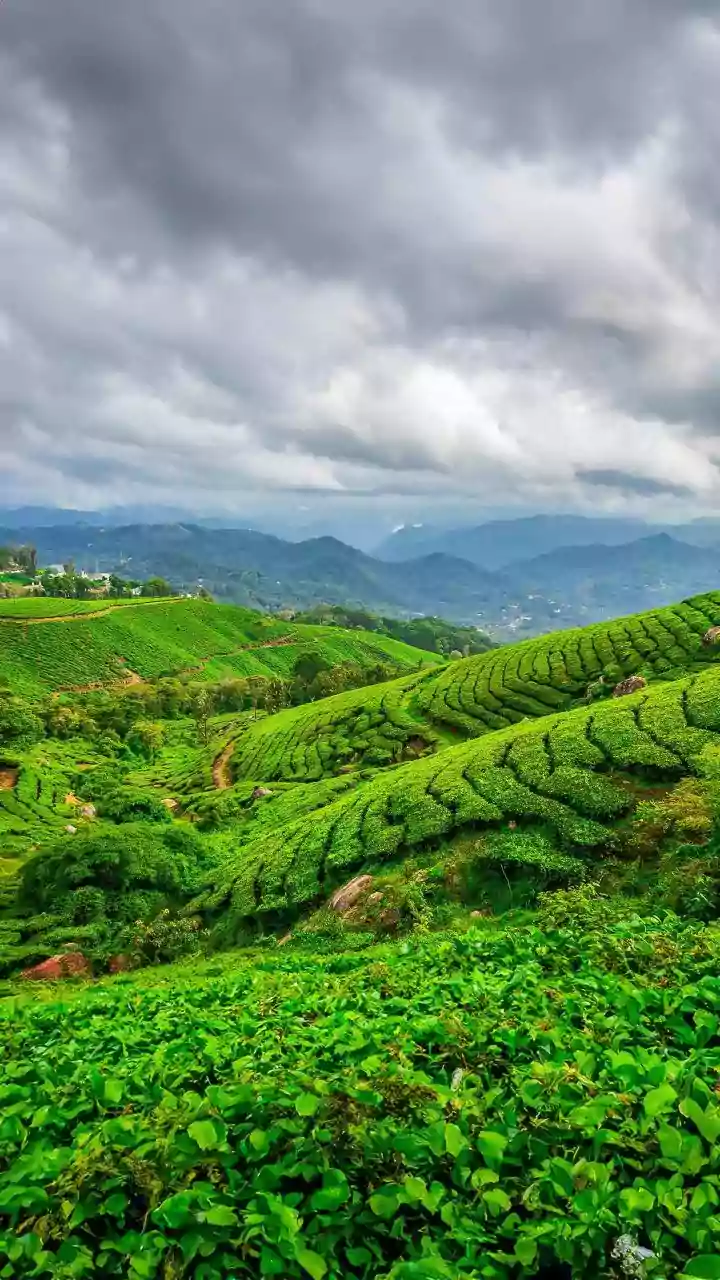
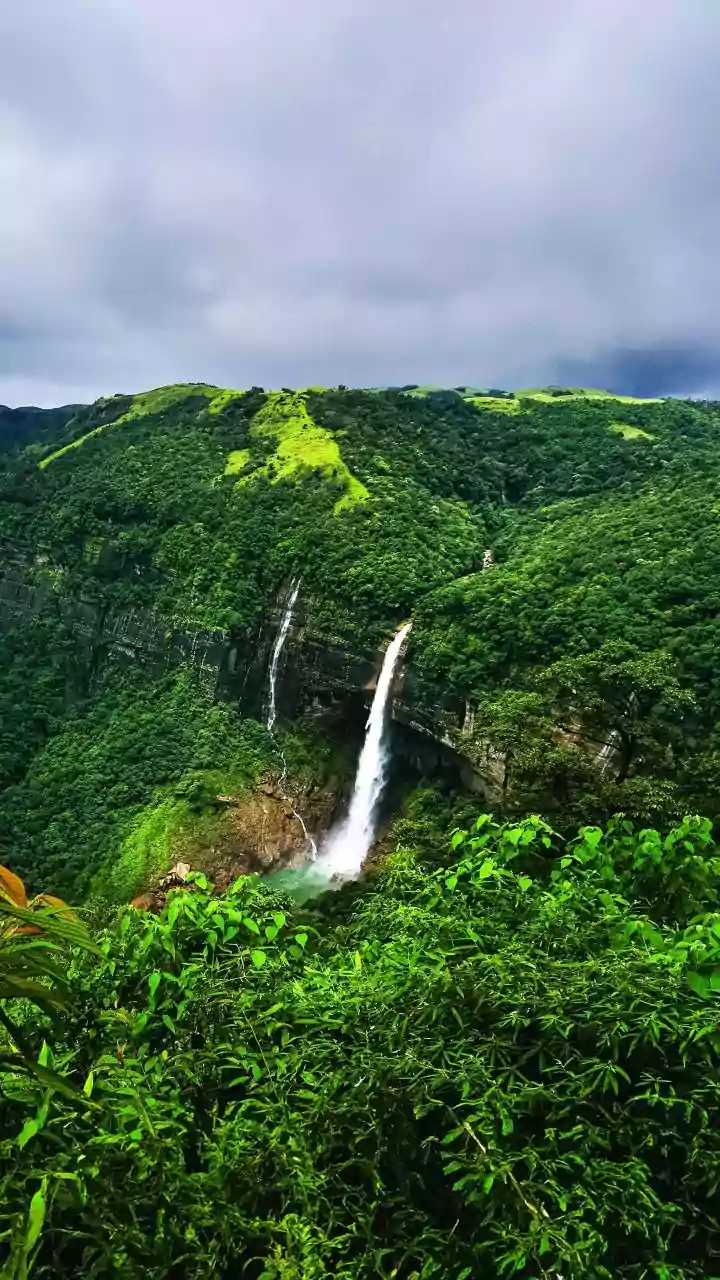
rains and inaccessible trails. But a shift is underway. A growing number of travellers are now seeking out Coorg precisely for its dramatic, rain-soaked beauty. The monsoon transforms the region into a lush paradise, where waterfalls like Abbey and Iruppu, once gentle streams, become powerful, roaring spectacles. The landscape, wrapped in a constant veil of mist, offers a cinematic experience that photographers and nature lovers find irresistible. Instead of being a deterrent, the rain is now the reason to visit, offering a serene, moody atmosphere that feels worlds away from bustling city life.
The Rise of Slow Travel
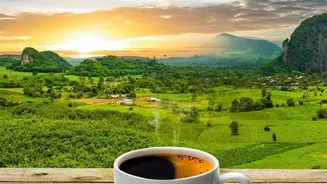
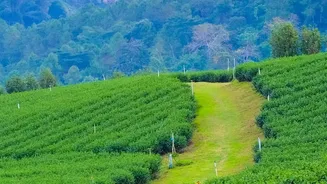
This trend is intrinsically linked to the philosophy of “slow travel.” Unlike traditional tourism focused on ticking off a checklist of sights, slow travel prioritises connection, relaxation, and immersion. It’s about experiencing a place rather than just seeing it. Coorg’s monsoon season is perfectly suited for this mindset. The rain encourages a slower pace of life. The goal isn’t to rush between viewpoints but to find joy in quiet moments: reading a book on a veranda as rain patters on the roof, taking leisurely walks through plantations between showers, and engaging in long conversations over endless cups of freshly brewed coffee. It’s a retreat from the pressure to be constantly doing something, allowing visitors to genuinely unwind and connect with their surroundings. This approach is attracting travellers tired of crowded destinations and seeking more meaningful, restorative breaks.
The Heart of the Experience: Plantation Homestays
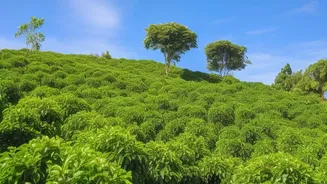
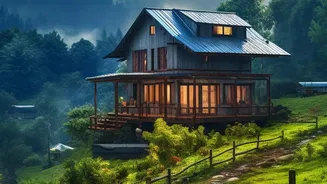
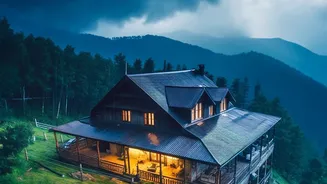
At the centre of this monsoon pilgrimage are Coorg's iconic coffee plantation homestays. These aren't generic hotels; many are ancestral homes, run by Kodava families who offer an authentic glimpse into their way of life. Waking up within a sprawling coffee estate, surrounded by the sights and sounds of nature, is an experience in itself. Hosts often share stories of the region, and the home-cooked Kodava cuisine, rich with local spices, is a highlight for many visitors. Staying in these homestays provides a sense of warmth and intimacy that larger resorts cannot replicate. They offer a perfect sanctuary from the rain, where guests can feel like part of a home while enjoying the quiet luxury of space, privacy, and nature.
Finding Joy in Doing Less
An itinerary for a slow traveller in monsoon-swept Coorg looks different. Activities are simpler and more mindful. It might involve a guided walk through a coffee estate to learn about the journey from bean to cup. Birdwatching is another popular pastime, as the rain brings out a variety of species. Short treks on less slippery trails during a break in the rain can reveal the vibrant forest floor, though it's wise to be prepared for leeches. Many find that the best activity is simply to sit still. From the misty vantage point of Raja's Seat in Madikeri to a private balcony overlooking the hills, the main event is watching the clouds and rain transform the landscape. This intentional inactivity is a form of luxury for those escaping high-stress urban environments.
A Welcome Shift for the Local Economy
The rise of monsoon travel is also a welcome development for the local economy. It helps distribute tourist footfall more evenly throughout the year, easing the pressure on infrastructure during the peak winter season. For homestay owners and small businesses, it provides a more stable, year-round income, rather than relying solely on a few busy months. While overall visitor numbers drop during the monsoon, the travellers who do come are often looking for longer, more immersive stays. This off-season appeal means lower tariffs and fewer crowds, making it a win-win for both the discerning traveller and the local community that hosts them.