


Heme vs. Non-Heme Iron
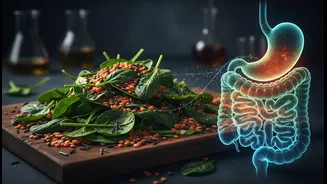
Before diving into food pairings, it’s helpful to understand that iron comes in two main forms: heme and non-heme. Heme iron, found in animal products like meat, poultry, and fish, is easily absorbed by the body. You absorb up to 30 percent of the heme iron you
consume. Non-heme iron is the type found in plant-based foods such as fruits, vegetables, nuts, grains, and beans. This type is less readily absorbed, with absorption rates between two and ten percent. Because of this, understanding how to boost the absorption of non-heme iron is especially important, particularly for those following vegetarian or vegan diets.
The Power of Vitamin C
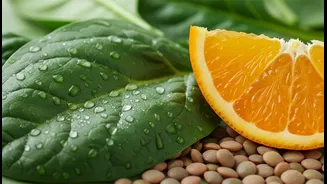
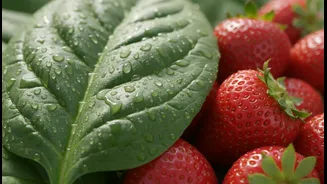
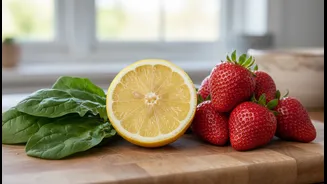
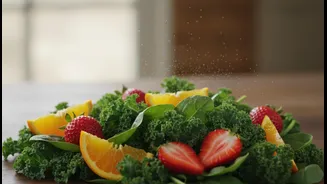
Vitamin C is the superhero of iron absorption. It enhances the body's ability to take in non-heme iron by converting it into a form that is more easily used. Simply put, when you eat an iron-rich plant food, pairing it with a food high in vitamin C can significantly increase how much iron your body gets. A squeeze of lemon juice, a side of bell peppers, or a handful of strawberries can make a substantial difference. The vitamin C captures the non-heme iron and stores it in a form your body can readily absorb.
Your Vitamin C Shopping List
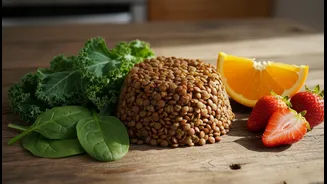
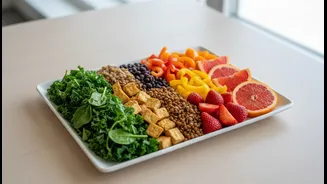
Adding vitamin C to your meals is easy and delicious. Many common fruits and vegetables are packed with this essential nutrient. Some of the best sources include citrus fruits like oranges, lemons, and grapefruit. Berries, particularly strawberries, are another excellent choice. Don't overlook vegetables; red, yellow, and orange bell peppers are vitamin C powerhouses. Broccoli, tomatoes, dark leafy greens, and kiwis are also fantastic options to include on your plate. By incorporating these foods, you create a meal that not only tastes great but also works harder for your health.
Smart Food Pairings
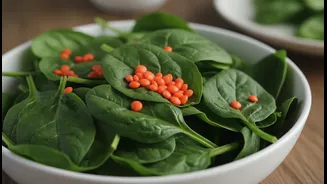
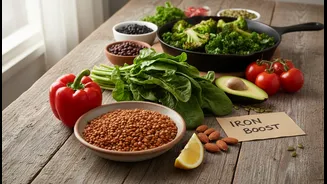
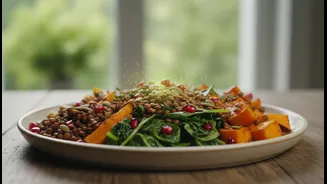
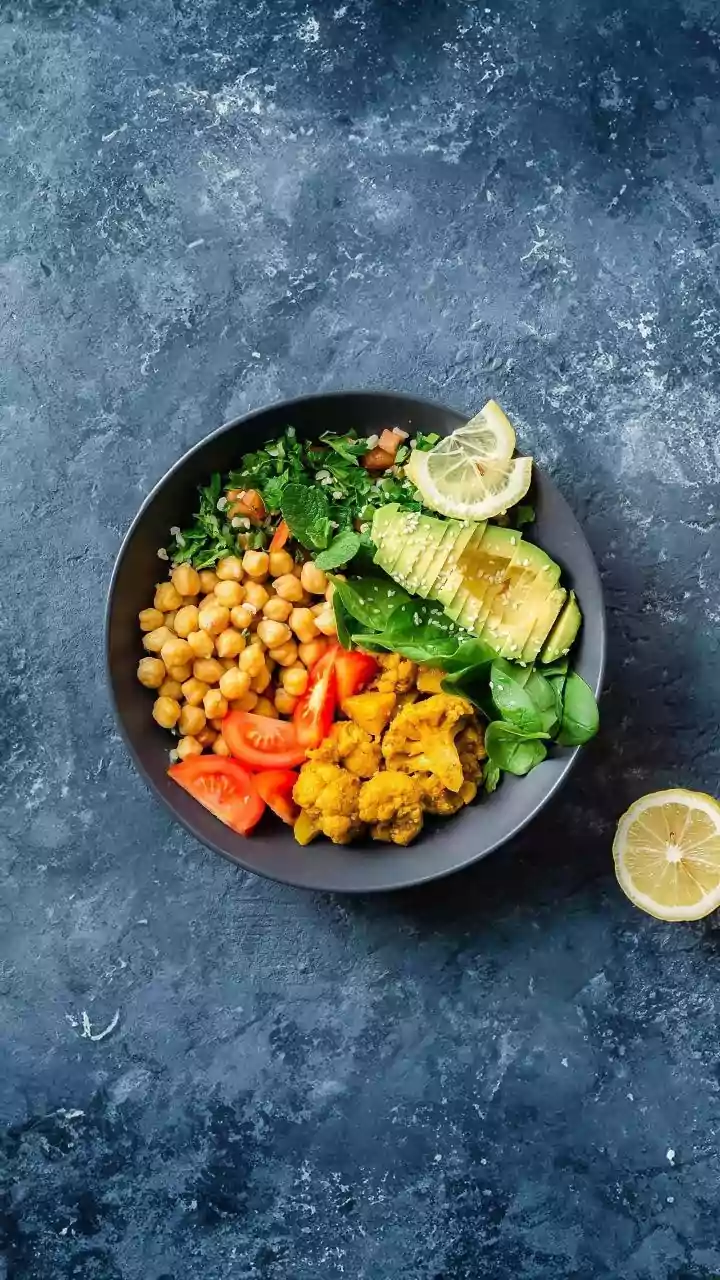
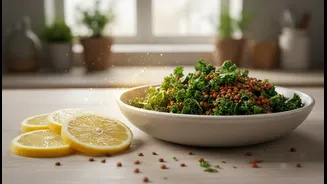
Now, let’s put this into practice. Think about combining your iron and vitamin C sources in the same meal. Start your day with iron-fortified oatmeal topped with fresh strawberries. For lunch, a spinach salad becomes more potent with a lemon juice vinaigrette and some sliced bell peppers. If you’re having a lentil or bean soup, make sure it’s tomato-based to get that vitamin C boost. A classic combination like beans and rice can be enhanced by serving it with a side of steamed broccoli. Snacking on hummus? Use red bell pepper slices for dipping instead of just pita bread. These simple combinations ensure you're getting the most out of every bite.
Know Your Inhibitors
Just as some foods help absorption, others can hinder it. These are known as inhibitors, and they can significantly reduce the amount of iron your body takes in. One major group of inhibitors is phytates, or phytic acid, which are found in foods like whole grains, legumes, seeds, and nuts. Another group is polyphenols, which includes tannins found in coffee and tea. Studies have shown that a cup of coffee with a meal can reduce iron absorption by as much as 60%, while tea can inhibit it even more.
Timing Your Meals and Drinks
You don’t have to give up your favourite tea or coffee. The key is timing. Try to consume these beverages at least an hour or two before or after your iron-rich meals rather than with them. This gives your body a clear window to absorb the iron without interference. Another major inhibitor is calcium. This means that dairy products like milk, cheese, and yoghurt can compete with iron absorption when eaten at the same time. While some long-term studies suggest the effect might be minimal in a varied diet, people with low iron status are often advised to separate their calcium and iron intake, for example, by not taking an iron supplement with a glass of milk.