


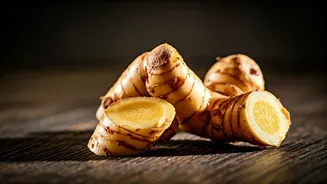


Meet Ginger’s Aromatic Cousin
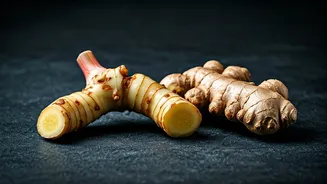
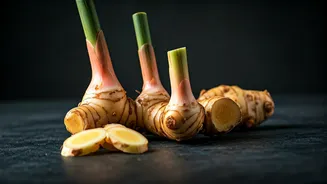
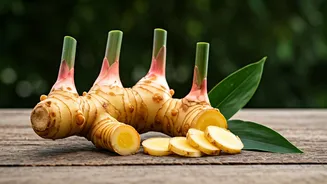
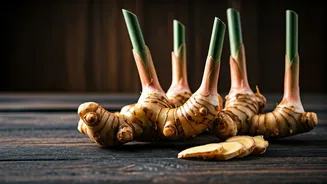
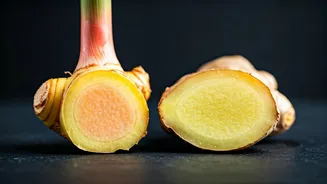
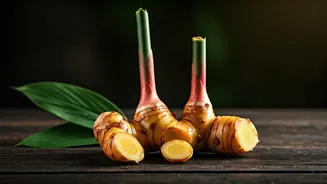
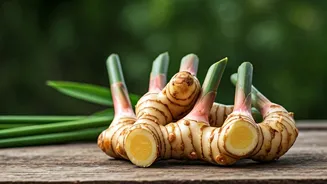
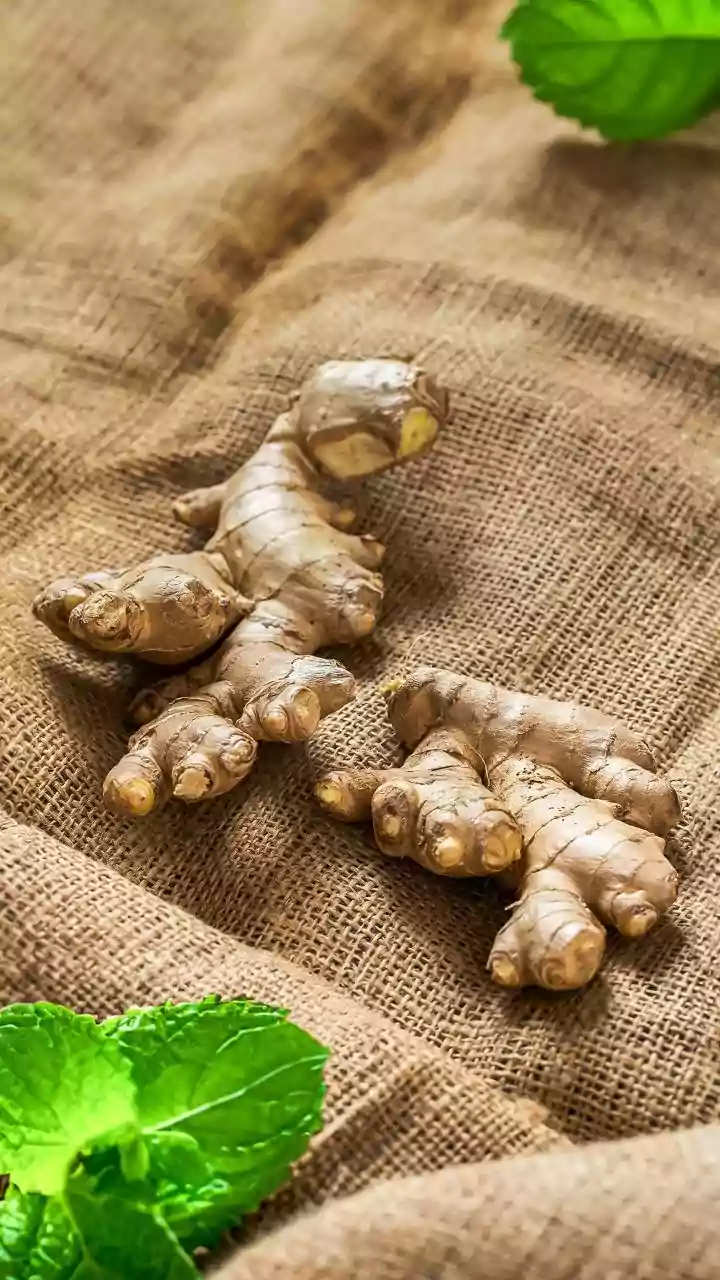
At first glance, you might mistake galangal for ginger. They are both members of the Zingiberaceae family, which also includes turmeric and cardamom. But a closer look reveals the difference. Galangal's skin is paler and smoother, often with pinkish shoots,
while its flesh is denser and whiter. Originally from Indonesia, it's a cornerstone ingredient in Thai, Malaysian, and Vietnamese cuisines, prized for its unique aroma and flavour. While ginger is famously pungent and spicy with a hint of sweetness, galangal charts a different course. It delivers a sharp, citrusy, and almost pine-like flavour with an earthy, peppery kick. For this reason, the two can't really be used interchangeably; substituting one for the other will fundamentally change a dish's profile.
A Symphony of Flavour
The defining characteristic of galangal is its complex flavour profile. It’s less about raw heat and more about aromatic depth. Think of the refreshing scent of a pine forest combined with the sharp zest of citrus. This is why it’s a star in famous Thai dishes like Tom Yum soup and Tom Kha Gai, where it infuses the broth with a bright, clean, and slightly medicinal essence. Unlike ginger, which can be grated easily, fresh galangal is much tougher and is typically thinly sliced or pounded into a paste to release its potent flavour. When sliced and added to soups or curries, the pieces are usually not eaten but are used purely for infusion, much like a bay leaf or cinnamon stick.
Beyond Southeast Asia: Galangal in the Indian Kitchen
While it's a hero in Southeast Asian cooking, galangal’s flavour profile makes it a fascinating ingredient to experiment with in Indian cuisine. Its citrusy notes can cut through the richness of coconut-based curries, particularly those with fish or prawns. Try adding a few thin slices to your next fish curry or prawn masala to impart a fresh, aromatic lift. When making marinades for grilled chicken or paneer, pounding some galangal into a paste with garlic and herbs can add an exciting new dimension. Its peppery quality pairs beautifully with lentils; a small amount added to a tadka for dal can offer a surprising and delightful twist. You can even experiment with beverages by making a refreshing galangal limeade. Because it is so potent, the key is to start with a small amount and build from there.
A Boost of Wellness
Like its relatives, galangal has a long history in traditional medicine, including Ayurveda and traditional Chinese medicine. It is rich in antioxidants, particularly polyphenols, which are plant compounds that help protect cells from damage. Traditional uses include aiding digestion, relieving nausea, and reducing inflammation. Studies have shown it possesses anti-inflammatory properties that can help with pain relief and swelling. Galangal is also used as a remedy for cold symptoms and to improve blood circulation. While more research is always needed, its historical use and nutrient profile suggest that adding galangal to your diet offers more than just incredible flavour.
How to Buy and Store Your New Favourite Spice
Finding fresh galangal is easier than ever. It's often labelled as 'Thai ginger' and is available at specialty food stores, Asian markets, and increasingly, online grocery platforms in India that deliver to your doorstep. Look for firm rhizomes with smooth, unblemished skin. If you can't find it fresh, dried slices and ground powder are also widely available, though the flavour of fresh galangal is far superior. To store fresh galangal, keep it in the refrigerator for up to two weeks. For longer storage, you can slice it and freeze it, allowing you to break off what you need for future culinary adventures.