




The Cross-Border Connection
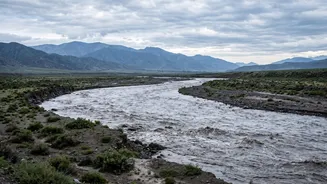
The geography of South Asia means that events in the Himalayas have a direct and often rapid impact on the plains of India. Several major rivers, including the Gandak (known as Narayani in Nepal), Kosi, and Ghaghara, originate in the high mountains of Nepal and Tibet
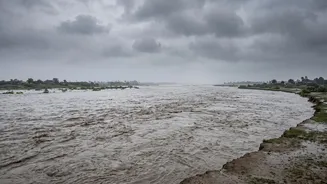
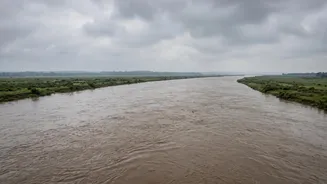
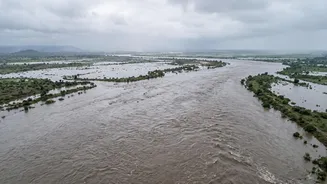
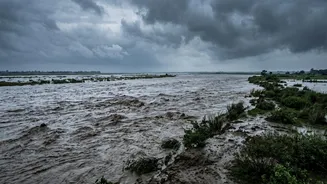
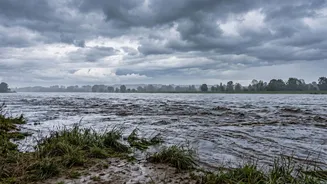
before flowing south into Bihar and Uttar Pradesh. On Wednesday, August 26, a devastating flash flood, suspected to have been caused by a landslide or ice-rock avalanche, struck Nepal's Rasuwa district. This event sent a massive volume of water down the Trishuli-Gandak river system. As this flood wave travels downstream, it poses a significant threat of inundation to the densely populated areas along the riverbanks in India, turning a disaster in one country into an imminent emergency for its neighbour.
Areas on High Alert
State governments in both Bihar and Uttar Pradesh have identified the districts most at risk. In Bihar, a high alert has been sounded for at least nine districts: West Champaran, East Champaran, Gopalganj, Muzaffarpur, Sitamarhi, Sheohar, Madhubani, Supaul, and Khagaria. Special vigilance has also been ordered for Saran and Vaishali districts. The focus of concern in Bihar is the Gandak and Kosi river basins. In Uttar Pradesh, the administration has put border districts on high alert, particularly Maharajganj and Kushinagar, which are vulnerable to rising waters in the Gandak and Rapti rivers. Authorities in these areas have begun making public announcements and, in some low-lying areas, have started evacuating residents to safer locations.
Official Response and Preparations
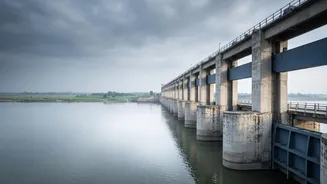
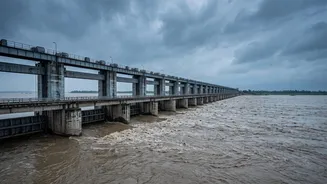
Authorities have initiated a multi-level response to mitigate the threat. A primary point of control, the Valmikinagar Barrage on the Gandak river in West Champaran, opened all 36 of its gates to manage the massive discharge of water, which peaked at around 1.5 lakh cusecs on Wednesday night. However, subsequent rainfall in Nepal's catchment areas caused levels to rise again on Thursday. At the central level, the Union Home Minister has assured both state chief ministers of all possible help. Multiple teams from the National Disaster Response Force (NDRF) have been deployed to vulnerable districts, including West Champaran and Muzaffarpur, with additional teams on standby. The Water Resources Departments in both states have cancelled leave for all field engineers and staff to ensure constant monitoring of embankments and water levels.
What Residents Should Do Now
For residents in the affected districts, staying informed and prepared is critical. Officials have issued advisories urging people to remain alert without panicking. The foremost advice is to strictly follow instructions from the local administration. People living in low-lying areas or close to riverbanks are advised to avoid going near the water. It is also crucial to rely only on official information and to ignore rumours that may circulate on social media. In West Champaran, authorities have used public address systems to alert communities in several blocks. Families should prepare an emergency kit with essentials like documents, medicines, food, and water. If an evacuation order is issued, it must be followed immediately to ensure safety.
Helplines and Government Support
To assist residents and coordinate emergency response, the Bihar government has activated several helpline numbers. In case of an emergency, people can call 1070. Additionally, two other numbers, 0612-2294204 and 0612-2294205, are available for flood-related information and assistance. State governments are working in close coordination with district magistrates and police superintendents to manage the situation on the ground. Evacuation centres and community kitchens are being prepared in case they are needed. The Sashastra Seema Bal (SSB), which guards the border, has also been put on alert and has deployed teams to assist with potential relief and rescue operations. Residents are encouraged to save these helpline numbers and stay tuned to official channels for the latest updates.