




The End of the Itinerary
For decades, being 'well-travelled' meant a passport full of stamps and a frantic race to check off landmarks. The vacation itinerary was a sacred document, with every hour accounted for, from museum tours to landmark selfies. But for Generation Z, this
approach is losing its appeal. A significant shift is underway, moving away from performative, activity-laden holidays toward what many are calling 'slow travel' or 'nothing-cations'. A recent survey found that two out of three young travellers admit to going on vacation with the express purpose of doing absolutely nothing. This isn’t about laziness; it's a deliberate choice to prioritise mental and physical restoration over a checklist of sights.
A Reaction to Burnout Culture
This new travel philosophy isn't happening in a vacuum. It is a direct response to the pressures of modern life. Gen Z, a generation that came of age in an 'always-on' digital world, is acutely aware of burnout. For many young professionals in India and around the world, work has escaped the confines of the office and now lives in their pockets, making it difficult to truly disconnect. As a result, travel is no longer just for leisure; it has become a necessary coping mechanism. Instead of one big annual holiday, many are opting for shorter, more frequent 'micro-cations'—long weekends and spontaneous getaways designed to provide regular relief from chronic stress. It's less about wanderlust and more about survival.
From FOMO to JOMO
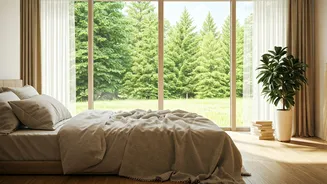
The psychological engine driving this trend is a move from FOMO (Fear Of Missing Out) to JOMO (Joy Of Missing Out). The pressure to have a perfect, Instagrammable vacation, filled with exciting excursions, can be a source of anxiety. Many young travellers are now actively rejecting this by seeking 'de-influenced' travel—choosing undiscovered spots over viral recommendations. This mindset champions experiences that are personal and authentic rather than those dictated by social media trends. The new status symbol isn't an overflowing itinerary but the ability to truly switch off. It's about finding joy in sleeping in, reading a book by the pool, or simply wandering through a local market with no particular destination in mind.
What Restful Travel Looks Like
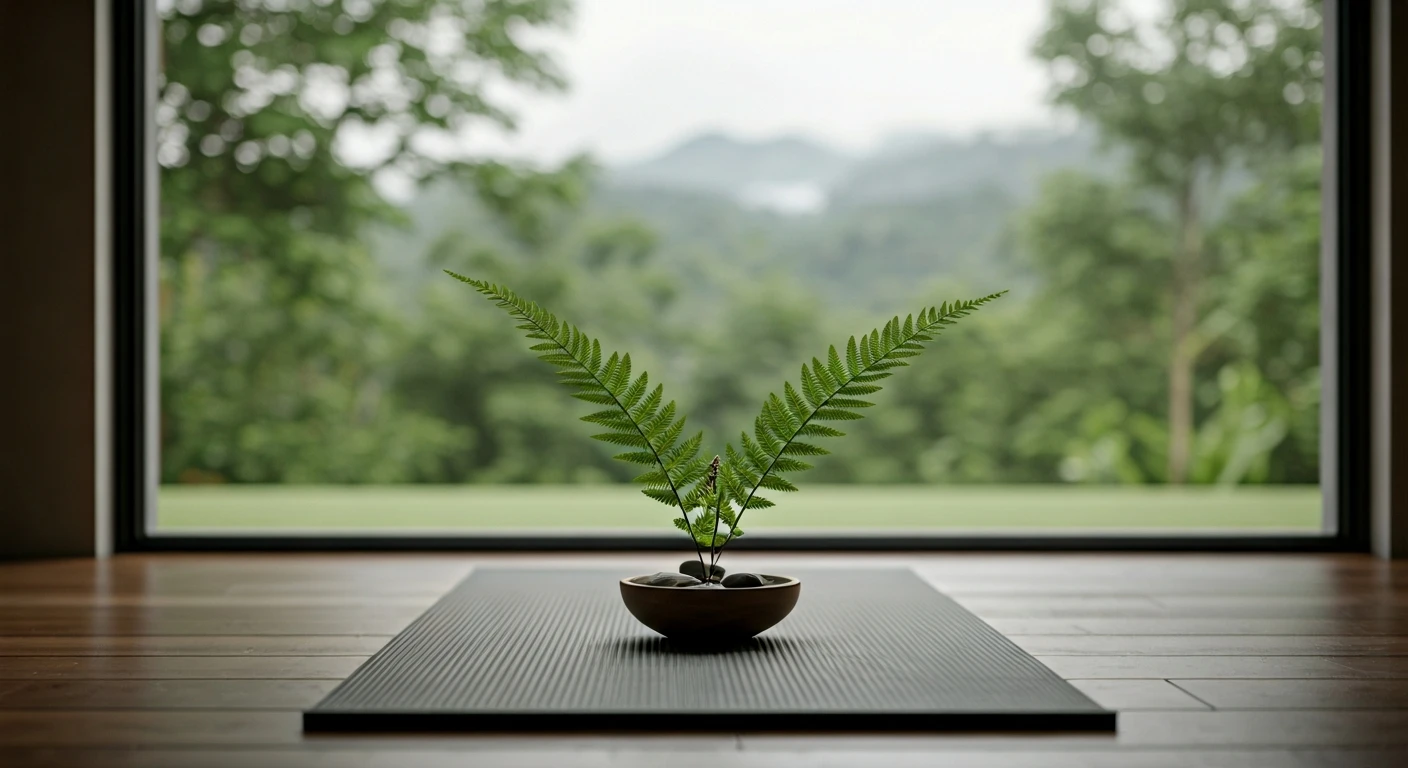
So, what does a 'nothing-cation' look like in practice? It's about letting the 'why' of the trip—be it to relax, connect with nature, or recover from stress—dictate the experience, rather than the 'where'. It might mean choosing a farm stay over a city-centre hotel, a trend that data from travel platforms like Vrbo shows is surging among Gen Z. Instead of rushing between cities, slow travellers might spend an entire week in a single town, renting an apartment, shopping at local markets, and getting a feel for the daily rhythm of the place. The focus is on immersive and restorative activities like long walks, leisurely meals, and simply having the flexibility to be spontaneous, a luxury often lost in traditional tourism.
The Industry Is Taking Notice
The travel and hospitality industry is beginning to adapt to this new reality. Hotels and tour operators are marketing wellness, relaxation, and disconnection. A recent report from Marriott International identified a segment of Gen Z travellers they call 'Quiet Luxurists', who associate luxury with privacy and disconnecting from technology. Similarly, the concept of 'why-cations', where trips are planned around a specific need like rest, is gaining traction. As Gen Z's spending power grows, their preference for meaningful, sustainable, and, most importantly, restful travel is set to redefine the future of the entire industry.