





The Mindful Shift in Festive Feasting
Across the country, a quiet revolution is taking place on the dining table. It’s not about avoiding festive favourites but reimagining them. The common aftermath of celebrations—bloating, acidity, and a general feeling of heaviness—has prompted many to
seek a better balance. This shift is rooted in a desire to enjoy the social and cultural aspects of food without the physical discomfort. It’s a move from mindless indulgence to mindful enjoyment, ensuring the festive spirit lasts long after the meal is over. The focus is now on making smart swaps that retain flavour while enhancing well-being. This includes simple changes in ingredients and cooking methods that make a significant difference to how you feel.
Sweet Swaps for Healthier Mithai
Traditional Indian sweets are often loaded with refined sugar and flour. However, creating healthier versions is easier than you think. For classics like ladoos and barfis, natural sweeteners like jaggery, dates, or figs can replace refined sugar. These alternatives have a lower glycemic index and bring their own unique flavours and nutrients. For instance, date and nut ladoos are naturally sweet and packed with fibre and healthy fats. When it comes to flour, consider swapping refined maida with whole grain options like millet flour (ragi, jowar, bajra) or almond flour. A ragi-based ladoo or a millet burfi offers a more nutritious, fibre-rich treat that supports better digestion.
Reinventing the Modak
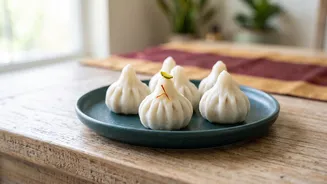
The beloved modak, a centrepiece of festivals like Ganesh Chaturthi, is a prime example of this trend. While traditionally there are two main types—steamed (ukadiche) and fried (talniche)—the method of preparation makes a world of difference. The steamed version, made with a delicate rice flour shell, is inherently lighter and gentler on the stomach. Many are now also exploring baked modaks as a healthier alternative to the deep-fried variety, which uses a wheat flour dough. This reduces the oil content significantly without sacrificing the festive feel. The classic filling of coconut and jaggery remains a wholesome choice, offering natural sweetness and texture.
Smarter Savoury Snacks
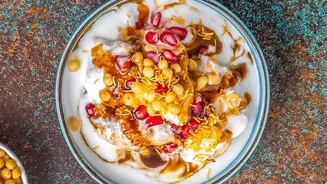
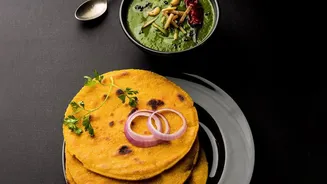
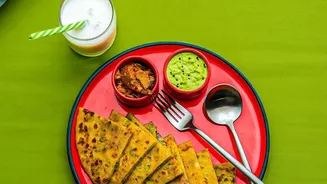
Festive snacking doesn't have to be a greasy affair. Many traditional savoury snacks that are typically deep-fried can be baked or air-fried instead. Samosas, mathris, and chaklis can all be cooked using these modern methods, drastically cutting down on unhealthy fats. Another smart switch is to incorporate different types of flour. Using jowar or bajra flour in snacks like mathri or thepla not only adds a rustic flavour but also increases the fibre content, making them more filling and gut-friendly. Even classic chaat can get a healthy makeover; a fresh fruit chaat with a sprinkle of masala offers the same tangy excitement with the added benefits of vitamins and fibre.
Habits for Better Digestive Health
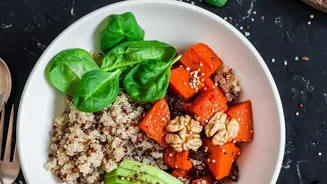
Beyond the ingredients, how you eat matters immensely. Simple habits can prevent the much-dreaded post-festival bloat. Staying well-hydrated is crucial; drinking water throughout the day aids digestion and can prevent overeating. Practising portion control allows you to sample a variety of dishes without overwhelming your system. Nutritionists also advise eating slowly and mindfully, as this gives your brain time to register fullness and reduces the amount of air you swallow, a common cause of gas. Taking a short walk after a heavy meal can also aid digestion and help manage blood sugar levels. Finally, balancing indulgent festive meals with lighter, home-cooked fare rich in vegetables and lean protein can help your digestive system recover.