







The Obvious and the Hidden Jobs
Tourism is a major economic driver in India, contributing significantly to GDP and employment. The most visible jobs are in what's called the 'direct' tourism sector: hotel staff, airline crews, tour operators, and travel agents. These roles are the frontline
of the visitor economy and are essential. However, focusing only on these positions misses the bigger picture. The true strength of tourism as a jobs engine lies in its 'multiplier effect'. This is the ripple effect of tourist spending as it moves through a local economy. Every rupee a tourist spends at a locally-owned hotel doesn't just stay there; it gets paid out in wages, spent on local produce, and used to hire local services, creating more jobs indirectly.
The Problem of 'Economic Leakage'
The headline's question zeroes in on a critical problem: "growth without local value." In tourism economics, this is known as 'economic leakage'. It happens when the money spent by tourists doesn't stay in the local community. Instead, it 'leaks' out to pay for imported goods, foreign-owned hotel chains, international tour operators, or expatriate staff. When leakage is high, a destination can seem busy, but the actual economic benefit to local people is minimal. For instance, if a foreign-owned resort imports its food and beverages and sends its profits overseas, the local farmer and entrepreneur see little to no benefit. Studies have estimated this leakage can be as high as 40% in India, neutralizing a large portion of tourism revenue.
Beyond the Front Desk: Cultivating Ancillary Careers
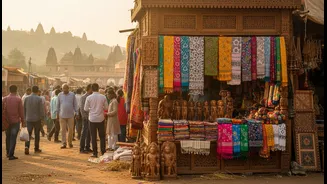
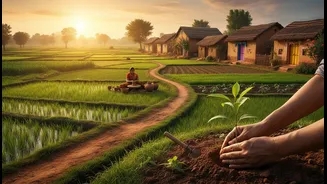
To create meaningful careers beyond the obvious, tourism must be structured to plug these leaks and actively support local supply chains. This is where a huge range of professions comes into play. Think of the agritourism sector, where farmers can diversify their income by offering farm stays, tours, and farm-to-table dining experiences that attract visitors seeking authentic experiences. This directly supports agricultural jobs and preserves local food traditions. Similarly, local artisans and craftspeople get a massive boost when tourism models encourage visitors to buy authentic, locally-made souvenirs instead of mass-produced trinkets. This not only creates income for artisans but also helps preserve cultural heritage.
The Rise of Community-Based Tourism
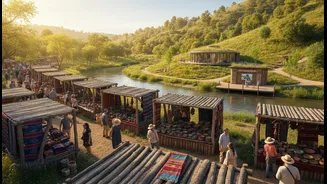
The most effective way to ensure tourism creates broad-based local employment is through community-based tourism (CBT). This model empowers local residents to have control over and involvement in tourism development in their area. Instead of being passive employees, community members become managers and entrepreneurs. Successful CBT initiatives in states like Kerala and Sikkim show how this works in practice. In these models, homestays are run by local families, guides are from the village, and food is sourced from nearby farms. The income generated stays within the community, funding everything from education to healthcare and reducing the need for people to migrate to cities for work. These initiatives create roles for guides, storytellers, cooks, craftspeople, and small-scale transport providers, building a resilient local economy.
From Policy to Practice
Making this shift isn't just up to chance; it requires deliberate policy and investment. India's National Strategy for Sustainable Tourism and the Swadesh Darshan scheme are steps in this direction, aiming to develop destinations that are responsible and economically beneficial to local communities. These strategies focus on creating jobs, enhancing skills for local youth, and preserving local culture. For the model to work, infrastructure needs to be developed thoughtfully, and public-private partnerships are essential to connect local communities with the broader tourism market. As a traveller, choosing to stay in a local homestay, hiring a local guide, or buying directly from an artisan are powerful ways to support this vision. It ensures your travel spending contributes to genuine, sustainable careers far beyond the airport and the hotel lobby.