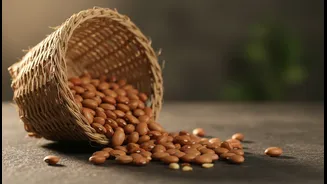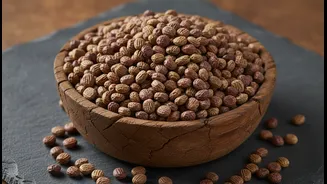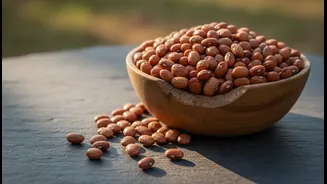




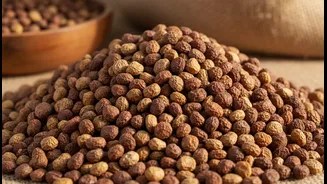
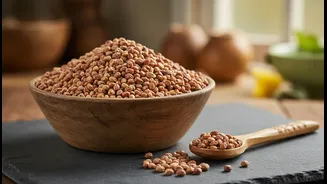
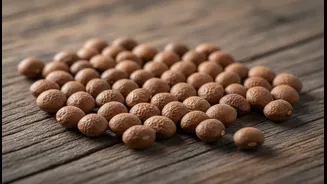


The Undeniable Truth: A Nutritional Powerhouse
Before we dive into specific claims, it's important to establish what we know for sure: horse gram is incredibly nutritious. It is packed with protein, typically around 22-25 grams per 100 grams, making it one of the most protein-rich lentils. It's also
an excellent source of dietary fibre, both soluble and insoluble, which is crucial for digestive health. The lentil is low in fat and loaded with essential minerals like iron, calcium, and phosphorus, which support everything from blood production to bone strength. Its profile is rounded out with B vitamins and a wealth of antioxidants, including polyphenols and flavonoids. So, as a foundational food, horse gram is undeniably a healthy addition to a balanced diet.
The Claim: A Magic Bullet for Weight Loss
Many online sources promote horse gram as a rapid weight loss solution. The logic is that its high protein and fibre content promotes satiety, keeping you feeling full for longer and reducing overall calorie intake. It also has a low glycemic index, which helps in balancing blood sugar and may reduce the body's tendency to store excess calories as fat. While these properties certainly make it a valuable food for weight management, it is not a magic bullet. Some animal studies have shown that horse gram extracts can help reduce body weight, but this research is preliminary and has not been proven in humans. The verdict? Horse gram can support a weight loss journey as part of a healthy diet and active lifestyle, but it won't melt fat on its own.
The Claim: It Can Dissolve Kidney Stones
This is one of the most widespread traditional claims about horse gram. In Ayurvedic medicine, it's well-known as a diuretic, meaning it helps increase urine flow. The theory is that this can help flush out small stones and prevent the formation of new ones by diluting the urine. Some in-vitro (test tube) studies have shown that horse gram extracts can inhibit the growth of calcium oxalate crystals, which are the primary component of most kidney stones. However, there is a lack of large-scale human clinical trials to confirm these effects. While traditional use is strong and preliminary science is promising, it should not replace medical treatment for existing kidney stones.
The Claim: A Natural Cure for Diabetes
Horse gram is often recommended for managing diabetes, and there is some solid science here. Its high fibre content and significant amount of resistant starch mean it slows down carbohydrate digestion and absorption. This helps prevent sharp spikes in blood sugar after a meal. Research from the Indian Institute of Chemical Technology found that raw horse gram seeds, in particular, can reduce insulin resistance. These qualities make it an excellent food choice for people with diabetes or those looking to manage their blood sugar levels. However, calling it a "cure" is a dangerous overstatement. It is a beneficial part of a diabetes management diet, not a standalone treatment.
How to Approach Health Claims Wisely
When you encounter claims about horse gram or any other 'superfood', it's wise to be skeptical. Distinguish between traditional knowledge and scientifically validated facts. Traditional uses are valuable starting points for research but aren't proof on their own. Look for studies, especially those involving humans, rather than just animal or test-tube research. Be wary of promises of a "quick fix" or a "cure" for complex diseases. Reputable health information will often be nuanced, highlighting a food's role within a balanced diet rather than presenting it as a miracle ingredient. Enjoy horse gram for its proven nutritional benefits and its potential, but don't let hype replace sound medical advice.