




The Old 'Fortress' Model
For decades, the dominant approach to wildlife conservation was creating isolated fortresses. The idea was simple: build a fence, post guards, and keep people out to let nature thrive. This top-down model, however, often created deep-seated conflict.
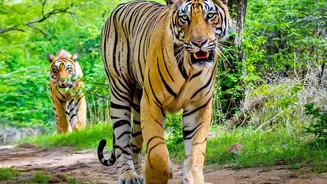
For communities living on the peripheries of these parks for generations, a new fence meant losing access to grazing lands, forest resources, and ancestral homes. This approach inadvertently positioned wildlife as the enemy of local livelihoods. When a tiger killed livestock, or crop-raiding animals destroyed a harvest, resentment brewed, sometimes leading to retaliatory killings and creating a fertile ground for poaching networks. This model failed to recognise a crucial reality: you cannot save the tiger by ignoring the people who live alongside it.
A Paradigm Shift to Partnership
The turning point in Indian conservation has been the shift from this fortress mentality to one of active partnership. Recognising that local communities are the first line of defence for any forest, conservation strategies now increasingly focus on making them primary stakeholders. This is not just about goodwill; it's a pragmatic strategy rooted in mutual benefit. Community participation can take many forms: employing locals as forest guards and anti-poaching watchers, training them as naturalist guides for ecotourism, or establishing revenue-sharing mechanisms from tourism. In places like Madhya Pradesh, homestay policies ensure that tourism income flows directly to village households. When a tiger becomes an economic asset, bringing jobs and development, the incentive to protect it grows exponentially.
Lessons from Panna and Sariska
The stories of Panna in Madhya Pradesh and Sariska in Rajasthan are stark illustrations of this principle. Both reserves suffered the catastrophic loss of their entire tiger populations, primarily due to poaching, a failure that highlighted a deep disconnect with local communities. Their remarkable recoveries were built on a new foundation. The reintroduction of tigers was coupled with intense community engagement. In Panna, this involved creating community-based conservation initiatives and promoting responsible ecotourism. In Sariska, the world's first scientific reintroduction of tigers was successful because it integrated dedicated protection with community participation. These reserves are now global case studies, proving that ecological revival and community involvement are two sides of the same coin.
The Economics of Coexistence
At its core, the success of involving communities is about changing the economic equation of conservation. If living near a tiger reserve means losing livestock without compensation or having your livelihood restricted, conflict is inevitable. However, if it means your child gets a job as a safari guide, your family can run a homestay, or women's self-help groups can create businesses around sustainable waste management, the tiger transforms from a threat into an opportunity. Programmes like 'Baagh Mitra Karyakram' (Tiger Friends Programme) in Uttar Pradesh train locals to mitigate human-tiger conflict, empowering them to become active managers of their shared landscape. This creates a virtuous cycle where conservation efforts directly improve local quality of life, which in turn strengthens support for conservation.
The Road Ahead Is Not Without Challenges
This model, however, is not a magic bullet. Challenges remain formidable. Ensuring that the benefits of ecotourism are distributed equitably and don't just enrich a few is a constant struggle. The process of voluntary relocation from core habitats, a necessary part of creating inviolate spaces for breeding, is fraught with social and ethical complexities and requires immense sensitivity and fair compensation. As tiger populations grow and disperse, they move outside protected areas, increasing the potential for human-wildlife conflict. Managing these situations requires rapid response teams, timely compensation for losses, and ongoing dialogue with affected communities. The work is never truly finished.