
The pressure to have a trendy home is real, but so is the waste from cheaply made, disposable decor. A growing number of Indian households are pushing back, finding style, savings, and sustainability in the world of second-hand furniture.
The Problem with 'Fast Furniture'
For years, the
'fast furniture' model has dominated the market: mass-produced, inexpensive pieces designed to be replaced every few years. Much like fast fashion, it prioritises trends over durability. Made from materials like particle board and MDF held together by formaldehyde-based glues, these items often don't withstand India's diverse climate. The result is a cycle of waste, with millions of tonnes of furniture ending up in landfills annually. Beyond the environmental cost, there's the issue of poor indoor air quality from volatile organic compounds (VOCs) that these materials release, a growing concern in an era where we spend more time than ever at home.
A Conscious Shift in Mindset
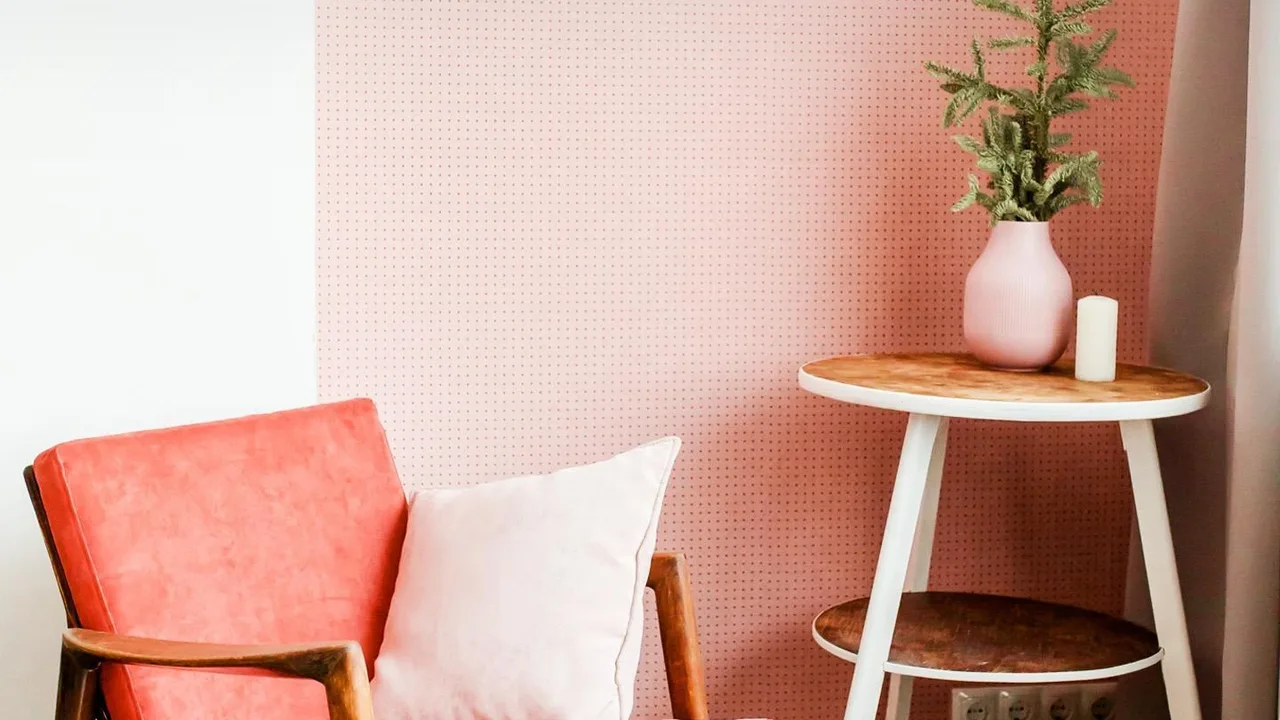
The move toward second-hand is more than just a trend; it's a significant shift in consumer values. What was once dismissed as 'used' is now appreciated as 'pre-loved', 'vintage', or 'antique'. This change in perspective is driven by a rising awareness of sustainability. Indian consumers, particularly the youth, are increasingly connecting their purchasing decisions to environmental impact. This aligns with a long-standing Indian tradition of reusing and passing down items, but with a modern twist. The stigma once attached to buying from strangers is fading as organised platforms and a desire for unique items take hold.
More Character for Less Cost
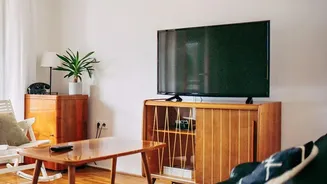
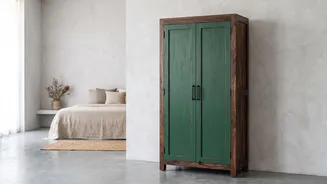
One of the most compelling arguments for second-hand furniture is its economic value. Pre-owned pieces, especially those made from solid wood like teak or sheesham, offer superior quality and craftsmanship at a fraction of the cost of new, lesser-quality alternatives. While a new, sustainably sourced solid wood table might be expensive, a vintage one can be acquired for much less and often possesses a character that mass-produced items lack. For many, this represents a smarter investment. A well-made older piece is not just furniture; it's an asset that holds its value and can often be repaired or refinished, extending its life for decades.
Craftsmanship Over Mass Production
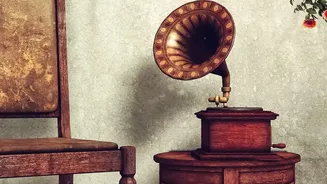
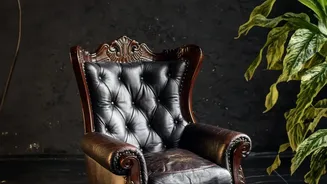
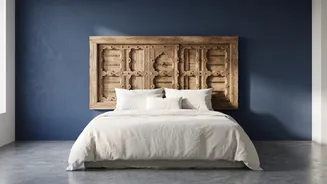
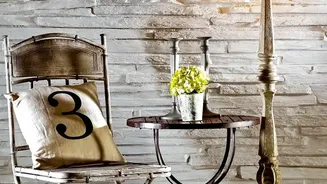
In a world of uniform, flat-packed furniture, second-hand pieces offer something increasingly rare: a story. Vintage and antique items showcase a level of craftsmanship and design detail that is difficult to find in today's market. Whether it's a hand-carved cabinet, a sturdy wooden chest, or a retro sofa, these pieces bring a unique identity to a home. Homeowners are moving away from creating catalogue-perfect rooms and toward spaces that reflect their personality. Pre-loved furniture allows for this kind of individual expression, ensuring a home doesn't look like everyone else's. This move towards durability and timeless style is a direct rejection of the temporary, trend-driven cycle of fast furniture.
The Rise of a New Marketplace
Finding great second-hand furniture has never been easier. The growth of the circular economy is supported by a booming ecosystem of online platforms and local markets. Digital marketplaces like OLX, Quikr, and Facebook Marketplace have become go-to destinations for buying and selling pre-owned goods directly. These platforms have formalised what was once a fragmented market, making it more accessible and trustworthy. Alongside these, curated stores and refurbishment specialists are appearing, offering quality-checked and restored pieces that give buyers peace of mind and a ready-to-use product. This growing infrastructure is making the sustainable choice the convenient choice, too.