






More Than Just Flags and Footprints
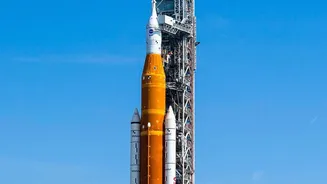
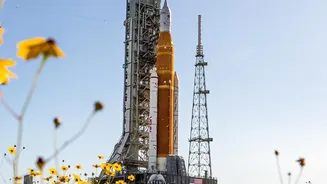
Unlike the Apollo missions of the 20th century, which were short-term sprints, Artemis is a long-term marathon. The program's explicit goal is to establish a sustained human presence on and around the Moon. This means moving beyond temporary visits and building
a permanent infrastructure. The vision includes the Artemis Base Camp on the surface, likely near the resource-rich South Pole, and the Gateway, a small space station orbiting the Moon. This two-part approach allows for a permanent address in the lunar system, serving as both a home and a staging point for deeper space exploration, including future missions to Mars. The entire program is a phased approach, starting with robotic missions and gradually building up the capabilities needed for long-duration human stays.
Living Off the Land: The Quest for Lunar Water
The single most important factor in a self-sustaining base is the ability to use local resources, a concept NASA calls In-Situ Resource Utilization (ISRU). Shipping materials like water, oxygen, and fuel from Earth is incredibly expensive and unsustainable for a permanent settlement. The key resource is water ice, which is believed to exist in large quantities in permanently shadowed craters at the Moon's South Pole. NASA's VIPER (Volatiles Investigating Polar Exploration Rover) is a golf-cart-sized robot designed to map these ice deposits. Its mission is to determine the location, concentration, and accessibility of lunar water. This water isn't just for drinking; it can be split into hydrogen and oxygen, providing breathable air for habitats and creating the components for rocket propellant. Finding and learning how to extract this water is a foundational step for breaking our reliance on Earth-based supply chains.
Powering a Lunar Homestead
A lunar base needs a steady, reliable source of power to run life support, scientific equipment, and resource processing plants. This is a challenge because a lunar night lasts for 14 Earth days, rendering solar panels useless for half the month. While early missions will rely on advanced solar arrays placed in areas of near-constant sunlight, the long-term solution involves a more robust power grid. NASA is actively developing compact fission surface power systems—small nuclear reactors that can provide a consistent 10 kilowatts of power for at least a decade, regardless of sunlight. In addition, research is being done on regenerative fuel cells, which are lighter than batteries and can store energy generated during the lunar day to be used during the long, cold night. The plan is to create a resilient microgrid connecting habitats and industrial areas, ensuring the lights always stay on.
Building Habitats and Infrastructure
Astronauts will need a place to live and work that protects them from radiation and extreme temperatures. NASA, in collaboration with international and commercial partners, is developing habitat modules. But a key part of the self-sufficiency puzzle involves using lunar soil, or regolith, as a construction material. Research is underway to develop technologies that can 3D-print structures like landing pads, roads, and even habitat shells using this readily available resource. This would drastically reduce the mass that needs to be launched from Earth. Furthermore, the Artemis program is investing in a fleet of new vehicles. These include pressurized rovers where astronauts can live and work for days at a time, and remotely operated robotic landers and construction vehicles being built by commercial partners like Blue Origin and Astrolab.
The Gateway: A Staging Post in Deep Space
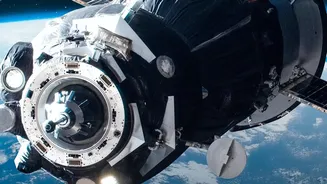
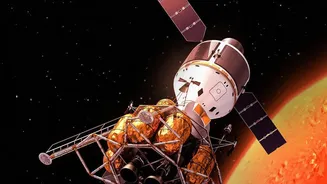
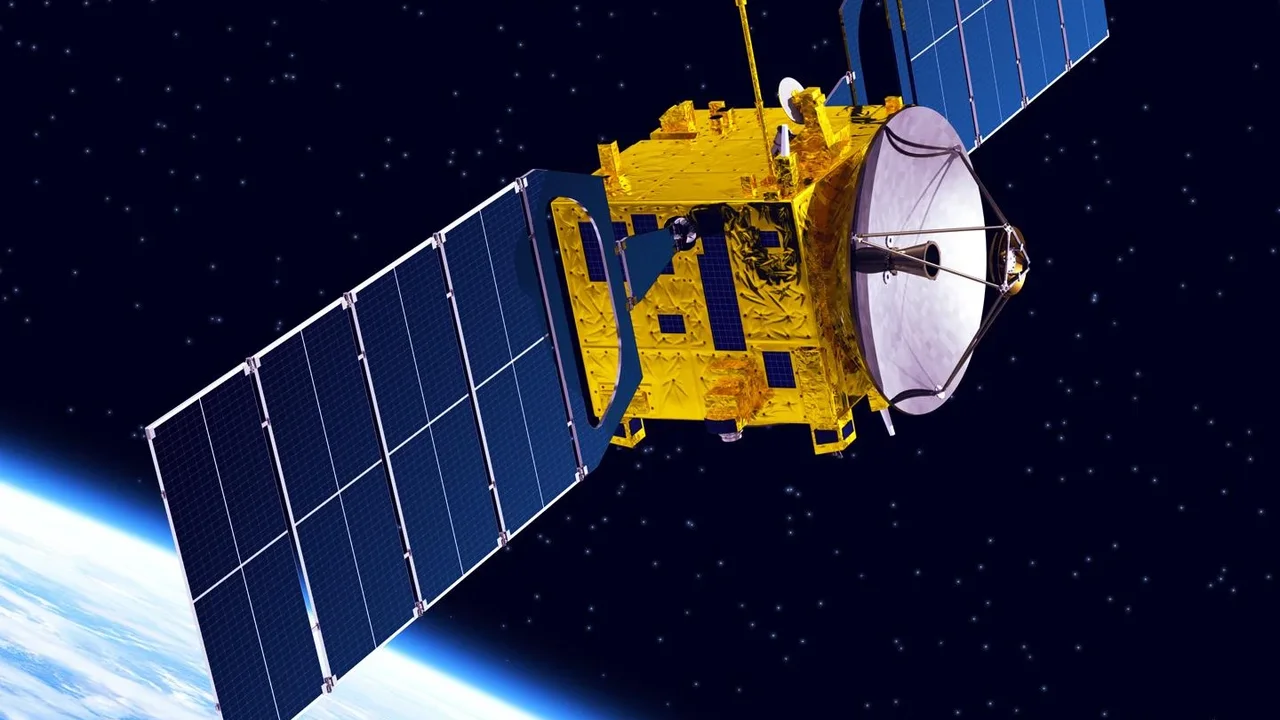
The Lunar Gateway is a critical piece of the deep-space puzzle. This small, modular space station will orbit the Moon, but not in a simple circle. It will follow a unique, near-rectilinear halo orbit that provides a stable, long-term staging point for missions to the lunar surface. Astronauts aboard the Orion spacecraft will travel to the Gateway and then transfer to a specialized Human Landing System for the final descent to the Moon. The Gateway will serve as a command center, science lab, and temporary home for astronauts. Its international partnership model, with contributions from Europe, Japan, and Canada, also makes it a testbed for the kind of global collaboration needed for future missions to Mars. It's less of a destination and more of a vital link in the chain connecting Earth to the Moon and beyond.