



Why the Monsoon Challenges Your Gut
The rainy season creates a perfect storm for digestive distress. The increased humidity in the environment can slow down our metabolic rate, making digestion more sluggish. This is what Ayurvedic traditions refer to as a weakened 'Agni' or digestive fire.
Furthermore, the damp conditions promote the rapid growth of bacteria and other microorganisms. This increases the risk of contamination in food and water, leading to a spike in gastrointestinal infections, food poisoning, and water-borne diseases like gastroenteritis and cholera. It’s why doctors often report a significant rise in patients with stomach complaints during this time of year.
Probiotics: Your Gut's Natural Defenders
To fortify our systems, we can turn to probiotics. These are live, beneficial bacteria that, when consumed in adequate amounts, offer a wealth of health benefits, especially for the gut. Probiotics work by restoring the natural balance of your gut microbiome—the trillions of microbes living in your digestive tract. A healthy microbiome is crucial for proper digestion, nutrient absorption, and a strong immune system. By introducing these friendly bacteria, you can help crowd out harmful pathogens, strengthen the gut lining, and reduce inflammation, making your digestive system more resilient against monsoon-related challenges.
Sip Your Way to a Healthier Gut
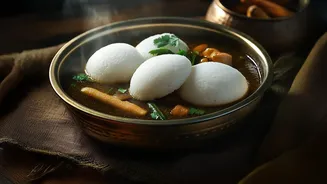
Indian culinary traditions are rich with fermented drinks that are natural sources of probiotics. These are far more than just refreshing beverages; they are functional foods that support digestive wellness. Chaas (Buttermilk): A staple in many Indian homes, traditionally made Chaas is a powerhouse of lactic acid bacteria. It's light, hydrating, and known to soothe the digestive tract, preventing issues like bloating and gas. Kanji: This North Indian fermented drink, traditionally made with black carrots and mustard seeds, is a potent probiotic. The fermentation process creates billions of beneficial Lactobacillus bacteria. The mustard seeds also have antimicrobial properties that help keep harmful bacteria in check. Lassi: While sweet lassis should be consumed in moderation, a simple, homemade lassi made from dahi (curd) is an excellent source of probiotics that aid digestion and help maintain a healthy gut flora. Homemade dahi itself is one of the most accessible probiotic foods available.
The Protective Power of Pickles
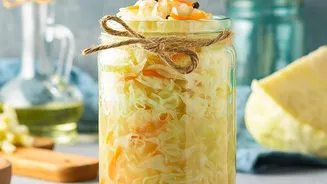
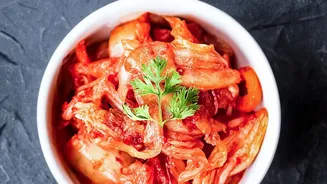
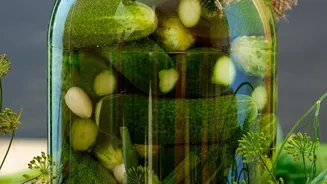
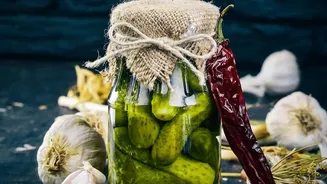
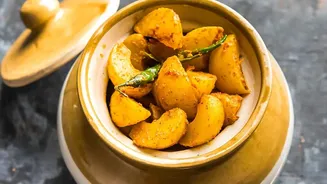
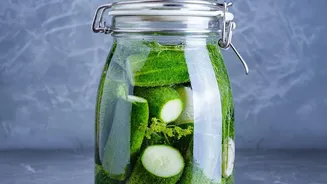
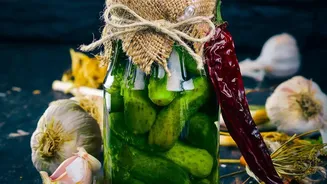
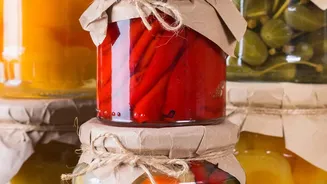
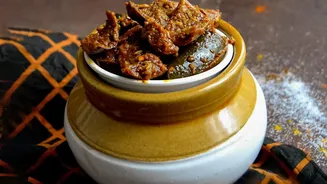
While often seen as a simple taste enhancer, traditional Indian pickles (achaar) can be a surprising source of probiotics. The key is in the preparation method. Pickles that are naturally fermented using salt and sunlight—a process called lacto-fermentation—encourage the growth of beneficial bacteria like Lactobacillus. These are the pickles that offer gut health benefits, helping to improve digestion and support the microbiome. It's important to distinguish these from commercial, vinegar-based pickles, which are often heat-treated and do not contain live cultures. A small portion of a sun-fermented mango, lemon, or mixed vegetable pickle with your meal can be a delicious way to introduce these good bacteria into your diet.