



Hydration is Your First Defence
Thirst is often mistaken for hunger, so staying well-hydrated is crucial. Before reaching for a snack, drink a glass of water and wait a few minutes. Throughout the day, keep fluids like coconut water, buttermilk (lassi), and herbal teas on hand. These
not only keep you hydrated but also help flush out toxins and can provide a feeling of fullness, reducing the urge to snack unnecessarily. Planning your fluid intake can be just as important as planning your meals.
Prioritise Fibre and Protein
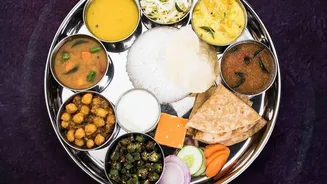
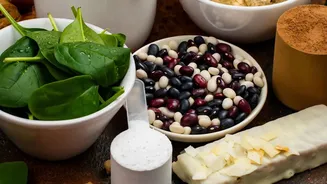
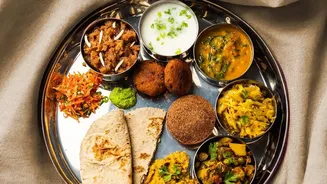
To stay full for longer, build your meals around fibre and protein. Foods like buckwheat flour (kuttu ka atta), amaranth (rajgira), and barnyard millet (samak rice) are excellent choices because they are high in fibre and complex carbohydrates, which release energy slowly. Pair them with protein sources like paneer (cottage cheese), yoghurt, or a handful of nuts like almonds and walnuts. A meal combining these elements, such as a kuttu roti with a side of paneer, can effectively suppress hunger for hours.
Eat Smaller, More Frequent Meals
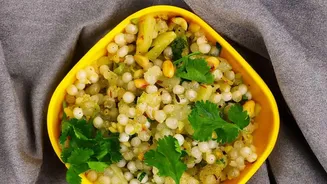
Instead of having one or two large meals, which can cause bloating and energy crashes, try eating smaller portions more frequently. This approach keeps your metabolism active and your energy levels stable throughout the day. Structuring your day with planned small meals—like a bowl of fruit in the morning, a light samak rice khichdi for lunch, and a handful of roasted nuts in the evening—prevents you from becoming ravenously hungry and making poor food choices.
Choose Smart, Vrat-Friendly Snacks
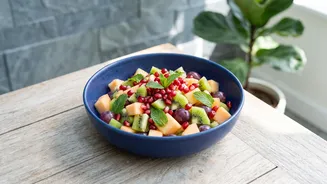
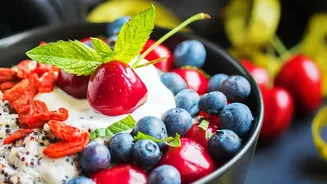
When you do need a snack, make it a healthy one. Instead of deep-fried pakoras or potato chips, opt for roasted makhana (fox nuts), which are low in calories and high in protein. A bowl of fruit chaat provides natural sugars for a quick energy boost without the crash. Other great options include boiled sweet potato chaat, a bowl of yoghurt, or energy balls made from dates and nuts. Having these healthy options readily available makes it easier to avoid temptation.
Don’t Overdo the Potatoes and Sabudana
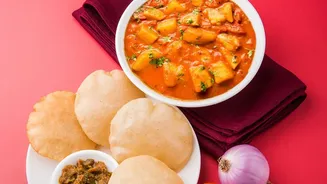
Potatoes and sabudana (sago) are staples during Navratri, but they are high in starch and carbohydrates. While they provide energy, overconsumption can lead to lethargy and weight gain. It's best to consume them in moderation. For instance, instead of deep-frying sabudana vadas, try a baked version or a light khichdi. Pair these starchy foods with vegetables or yoghurt to create a more balanced meal that slows down digestion and keeps you fuller for longer.
Cook with Healthier Methods
How you cook is just as important as what you cook. Deep-frying adds a lot of unhealthy fats and empty calories. Instead, choose healthier cooking methods like baking, roasting, steaming, or air-frying. You can make delicious baked sweet potato chips instead of fried ones or steam dhoklas made from kuttu flour. Using minimal ghee or cold-pressed groundnut oil for sautéing instead of deep-frying can make a significant difference in how you feel.