






A River Clear as Glass
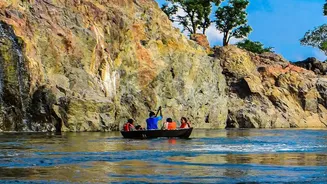
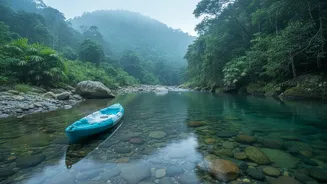
For years, images of Meghalaya’s Umngot River have captivated travellers around the world. Located near the border towns of Dawki and Shnongpdeng, its water is so transparent that the riverbed is perfectly visible from the surface, creating the illusion
of boats suspended in the air. This extraordinary clarity has made it a symbol of nature's purity and a bucket-list destination. The river is the lifeline for many local Khasi communities, sustaining livelihoods through boating, tourism, and fishing. Its health is directly tied to the economic and cultural well-being of the region, which has a long-standing tradition of respecting nature, as seen in nearby Mawlynnong, once dubbed 'Asia's Cleanest Village'.
The Rise of Troubled Waters
This idyllic picture is under threat. In recent times, the very transparency that made the Umngot famous has been clouded by pollution. Runoff and debris from regional construction projects have, at times, turned the emerald waters murky, alarming locals and environmentalists. Beyond large-scale issues, the surge in tourism brings its own challenges, primarily in the form of single-use plastics and other waste left behind. These pristine ecosystems, which lack robust, large-scale waste management infrastructure, are particularly vulnerable. The problem highlights a crucial turning point: as more people come to admire the beauty, the risk of destroying it increases, making responsible tourism more critical than ever.
Paddling with a Purpose
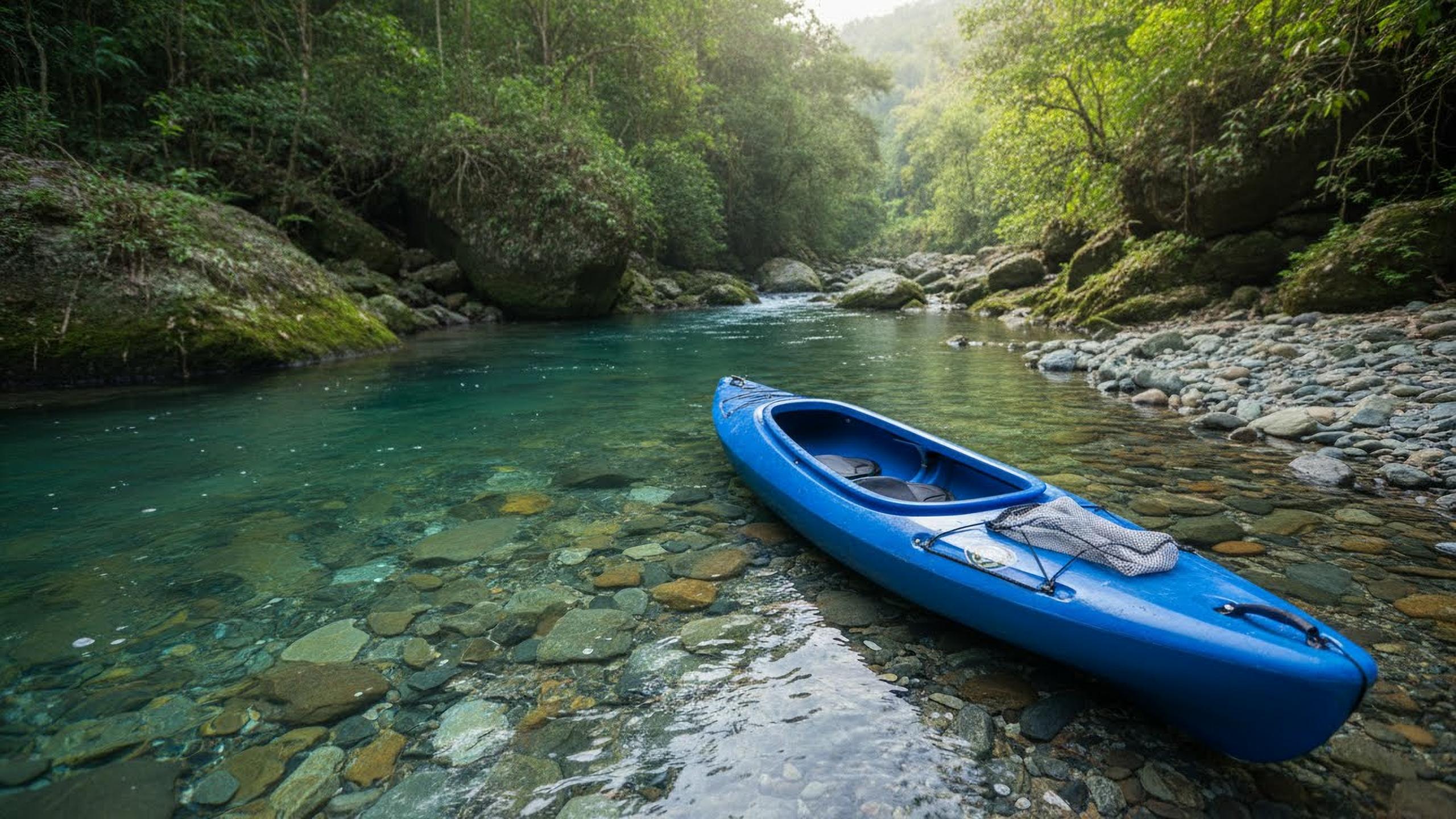
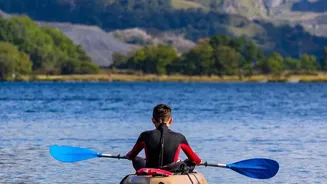
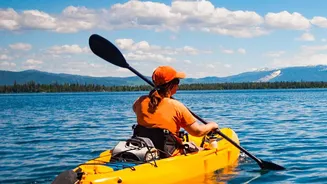
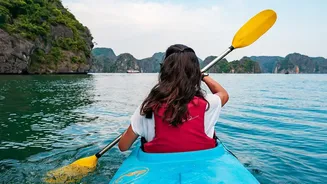
This is where kayaking emerges as more than just an adventure sport; it becomes an act of connection and conservation. While formal 'plastic-collecting tours' are a nascent concept, the very act of paddling on these rivers serves a deeper purpose. Tour operators in Shnongpdeng and other areas provide kayaks and guides, allowing visitors to glide silently across the water. This immersive experience fosters a profound appreciation for the river's fragility. When you can see every stone and fish below your kayak, the sight of a floating plastic bag or bottle is jarring. It transforms an abstract environmental issue into a tangible, personal one. This firsthand encounter is the first step in turning a passive tourist into an active environmental steward.
How Adventure Becomes Advocacy
The 'help' offered by these kayaking trips is rooted in awareness and altered behaviour. By choosing to kayak, travellers are directly supporting a local, low-impact economy that depends on the river’s health. This provides a financial incentive for communities to continue their conservation efforts. More importantly, the experience educates visitors in a way no pamphlet or social media post can. Paddlers become witnesses to the river’s state, making them more likely to pack out their own trash, avoid single-use plastics, and speak out against pollution. They leave not just with photos, but with a powerful understanding of what is at stake, becoming informal ambassadors for the river's protection long after they have returned home.