




Why Ziro Valley Deserves a Mindful Visitor
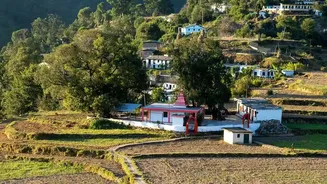
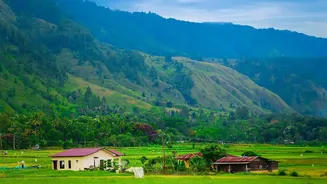
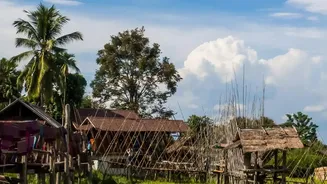
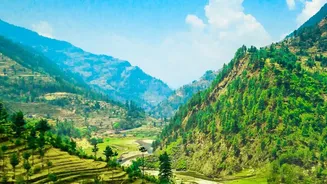
Nestled in the lower Subansiri district, Ziro is more than just a pretty destination; it is a living cultural and ecological marvel. The valley is home to the Apatani people, who have developed a sophisticated system of settled agriculture and natural
resource management over centuries. Their ingenious paddy-cum-fish cultivation, which allows for the farming of rice and fish in the same fields, is so unique that the Apatani Cultural Landscape is on UNESCO's Tentative List for World Heritage Sites. This delicate balance between humanity and nature is precisely what makes Ziro special and why it requires visitors to be more than just tourists. Choosing to stay in locally-owned eco homestays and following the rules helps preserve this harmony for generations to come.
The Inner Line Permit: Your First Step to Respectful Travel
Before you can even think about homestay etiquette, there is a crucial legal step: securing an Inner Line Permit (ILP). The ILP is a government-issued travel document mandatory for all Indian citizens who are not residents of Arunachal Pradesh. This is not just a piece of bureaucratic formality. The ILP system is rooted in the Bengal Eastern Frontier Regulation of 1873 and exists today to protect the distinct tribal cultures and manage entry into a sensitive border state. Attempting to enter Arunachal Pradesh without a valid ILP will result in being turned away at the check gates. It is the state's way of safeguarding its heritage and security, and respecting this law is the first and most fundamental rule of visiting Ziro.
How to Get Your Inner Line Permit
Getting an ILP is a straightforward process, especially with the online portal. The Government of Arunachal Pradesh runs an official website (arunachalilp.com or eilp.arunachal.gov.in) where you can apply for an e-ILP. You will need to register, fill out the application form with your travel dates and the districts you plan to visit, and upload a government-issued ID (like an Aadhaar card) and a passport-sized photograph. The fee is typically around ₹100 for a tourist permit, which usually allows a stay of up to 14 or 30 days. Processing is generally quick, often within a few working days. It's recommended to apply at least a few days before your trip. While a digital copy on your phone is often accepted, carrying a printout is a wise backup. Offline applications are also possible at Arunachal Bhawan offices in cities like Delhi, Kolkata, and Guwahati.
The Unwritten Rules of an Eco-Homestay
Once your permit is secured, your next responsibility is to be a considerate guest. Staying in a homestay offers an authentic glimpse into Apatani life but comes with an expectation of respect. Always ask for permission before taking photographs of people or their homes; what seems like a great photo opportunity to you is someone's private life. Be mindful of resource consumption—water and electricity can be scarce, so use them sparingly. Reduce your waste by avoiding single-use plastics and carrying a reusable water bottle. Dress modestly, especially when in villages or near sacred sites, covering your shoulders and legs as a sign of respect. Engaging with your hosts, showing appreciation for their hospitality, and supporting the local economy by buying handmade crafts directly from artisans are wonderful ways to ensure your visit has a positive impact.