





A Strategic Shift Eastward
A significant trend is reshaping the global ambitions of India's startup ecosystem. Instead of defaulting to Western hubs, a growing number of Indian tech founders are choosing Dubai as their primary base for international operations. This isn't just
about a handful of companies; it's a strategic migration. In 2025 alone, Indian-owned businesses were the largest group of new foreign companies joining the Dubai Chamber of Commerce, with nearly 18,500 new registrations. This signals a deliberate pivot towards the Gulf, as entrepreneurs recognise the city's potential not just as a market, but as a strategic command centre for global growth. The move is often a hybrid one: founders leverage India's deep talent pool for product development and back-end operations while establishing a Dubai presence for fundraising, client relations, and market expansion.
The Pull of Pro-Business Policies
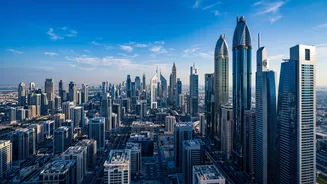
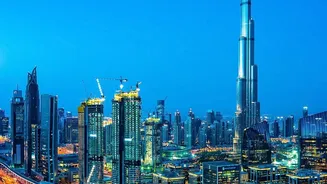
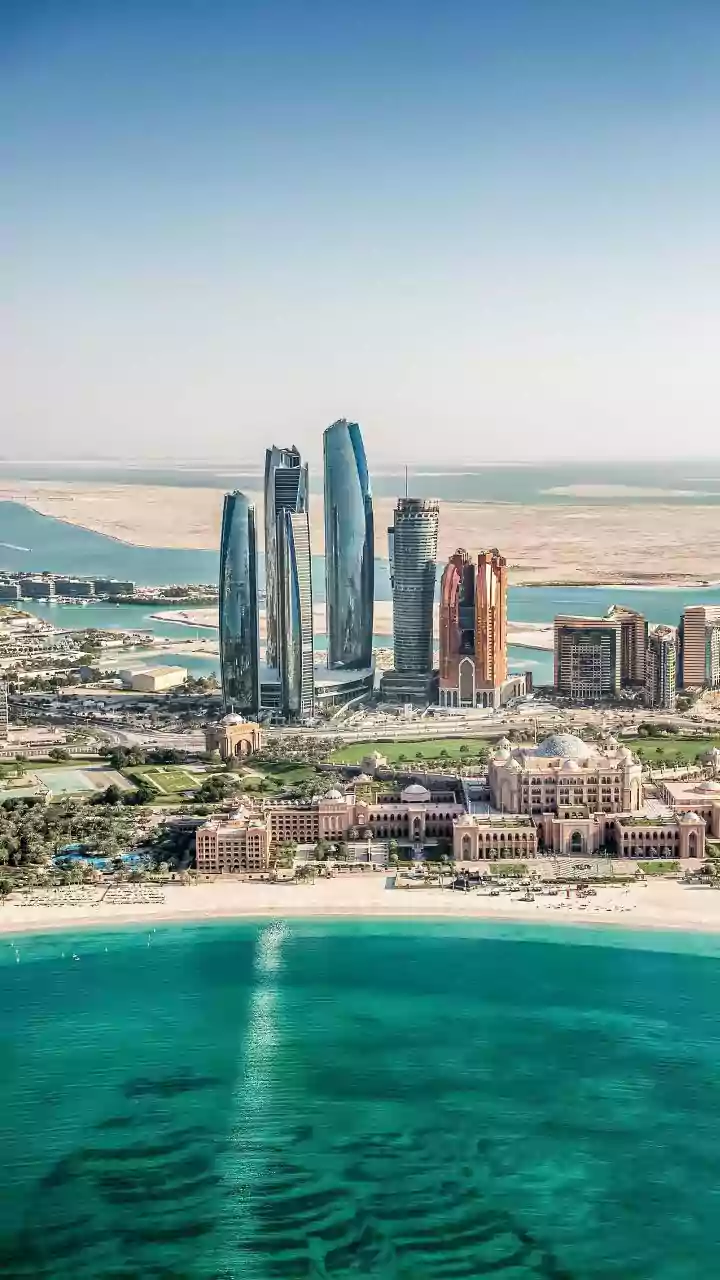
Dubai's allure extends far beyond its gleaming skyline. The government has meticulously crafted an environment to attract foreign talent and investment. One of the most significant draws is the business-friendly regulatory framework. Specialised free zones like Dubai Internet City and Dubai International Financial Centre (DIFC) offer 100% foreign ownership, full repatriation of profits, and simplified, fast-track company registration. Furthermore, initiatives like the UAE Golden Visa provide long-term residency for entrepreneurs and their families, offering a level of stability crucial for business planning. This visa is not tied to a specific employer, granting founders the freedom to live, work, and invest with confidence. The introduction of a Small Business Relief scheme, which offers a 0% corporate tax rate for startups generating less than AED 3 million in annual revenue, further sweetens the deal.
Gateway to Untapped Markets
For many Indian startups, Dubai serves as a powerful gateway to new and lucrative regions. Its strategic location at the crossroads of Asia, Europe, and Africa provides unparalleled access to the Middle East and North Africa (MENA) markets, which can be challenging to enter directly from India. By establishing a base in Dubai, a company instantly gains credibility and proximity to clients across the GCC, Africa, and even parts of Europe. This geographical advantage is complemented by world-class logistics and connectivity. The city hosts major industry events like GITEX Global, which connect Indian founders with a diverse pool of international investors, venture capitalists, and corporate partners, opening doors to funding and strategic alliances that might otherwise be out of reach.
Beyond Business: A Lifestyle Decision
The decision to relocate is increasingly becoming a personal one as much as a professional one. Founders with families are drawn to Dubai's high quality of life, safety, clean infrastructure, and access to premium healthcare and international schools. The presence of a massive Indian expatriate community—estimated at around 4.3 million in 2024—creates an instant sense of familiarity and a robust support network. This established community means that founders are not entering an alien market; they are tapping into a well-integrated ecosystem of Indian professionals, suppliers, and business owners. This blend of global opportunity and cultural familiarity makes the transition smoother and more appealing for long-term settlement.
Navigating the Challenges
Despite the numerous advantages, the move to Dubai is not without its hurdles. The cost of living and running a business can be significantly high, particularly when it comes to office rentals and housing in prime areas. While the business setup process is streamlined, navigating banking bureaucracy can sometimes be slow for foreign-owned businesses. Newcomers must also adapt to a different business culture and face growing local and international competition within Dubai's thriving ecosystem. However, for many founders, these challenges are calculated risks that are outweighed by the immense potential for scaling their ventures on the global stage.