




The Daily Struggle for Water
Across Maharashtra's diverse agricultural landscape, from the semi-arid Deccan plateau to the rain-fed zones of Vidarbha, smallholder farmers face a common set of challenges. Their livelihoods are often dictated by erratic rainfall, depleting groundwater
levels, and inconsistent access to energy for irrigation. Many rely on expensive diesel pumps or face frequent power cuts from the grid, making timely watering of crops a constant battle. This uncertainty restricts them to a single cropping season, often forcing families to migrate to cities for daily wage labour to supplement their meagre incomes. For these farmers, who typically own fragmented landholdings of just a few acres, the high recurring cost of irrigation traps them in a cycle of low productivity and debt.
A Sustainable Solution Rises
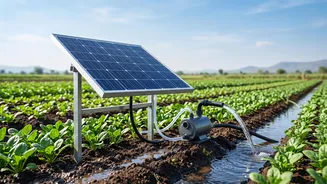
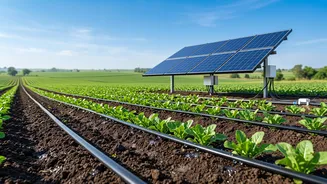
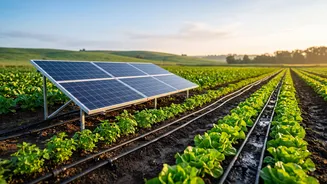
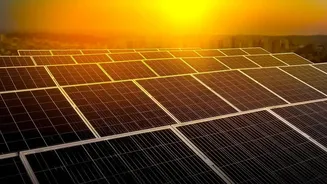
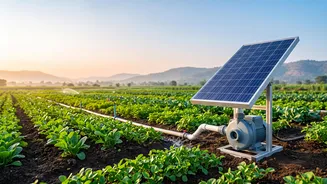
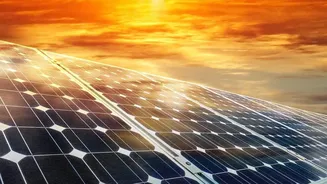
Enter the solar micro-pump. These small, often portable systems use photovoltaic (PV) panels to convert sunlight directly into energy to power a water pump. Unlike traditional pumps, they are not dependent on the grid or fossil fuels. This simple yet powerful innovation directly addresses the core issues plaguing rural farmers. By providing a dependable source of energy during the day, they ensure water is available when crops need it most. This reliability is transformative in regions where power supply is either unavailable or highly erratic, empowering farmers to take control of their irrigation schedules.
The Economic Turnaround
The most immediate impact of adopting solar pumps is the dramatic reduction in operational costs. With no need for diesel and freedom from electricity bills, farmers can save a significant portion of their income. This financial relief is just the beginning. Reliable access to water allows for a second, and sometimes even a third, cropping cycle. Farmers can diversify from subsistence crops like paddy to higher-value vegetables and fruits, significantly boosting their earnings. Case studies from across Maharashtra show that farmers who install solar pumps have seen their annual incomes more than double, with some reporting earnings crossing ₹3.5 lakh per year. This increased financial stability reduces the need for distress migration and allows families to stay together in their villages.
Beyond Financial Gains
The benefits of solar pumps extend far beyond the farm's balance sheet. By replacing noisy, polluting diesel engines, they contribute to a cleaner and quieter rural environment. This shift to renewable energy is a crucial step in making agriculture more sustainable. Furthermore, the technology brings about significant social change. It reduces the daily drudgery, especially for women who often bear the responsibility of managing water. The newfound financial security allows families to invest in better education and healthcare for their children. In villages like Tulyachapada in Palghar district, the introduction of shared solar pumps has not only increased cultivated land exponentially but also reduced seasonal migration by as much as 90%.
Overcoming the Adoption Hurdle
Despite the clear advantages, the primary barrier to widespread adoption remains the high upfront cost of solar pump systems. For a smallholder farmer, this initial investment can be prohibitive. Recognizing this, both central and state governments have stepped in with crucial support. Schemes like the Pradhan Mantri Kisan Urja Suraksha evam Utthaan Mahabhiyan (PM-KUSUM) and Maharashtra's own 'Magel Tyala Saur Krushi Pump Yojana' provide substantial subsidies to make these pumps affordable. In addition, innovative community-led models, where groups of farmers share the cost and usage of a single pump, are proving to be highly effective and financially viable.