
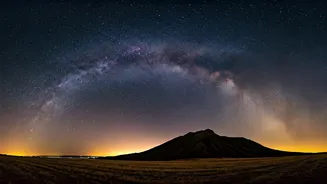
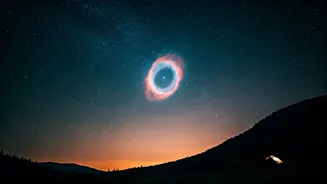
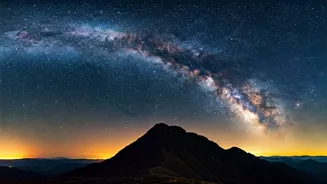


What Exactly Is a Dark-Sky Destination?
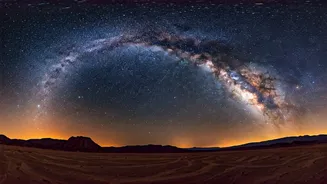
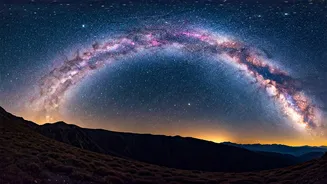
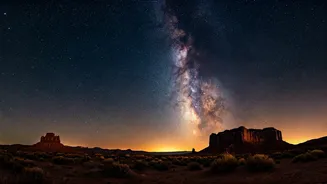
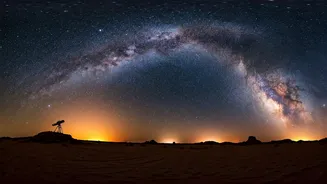
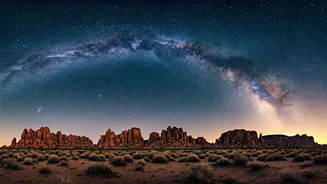
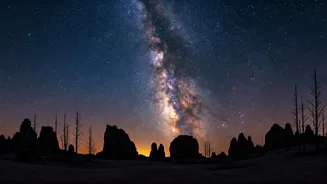
A dark-sky destination is an area—typically a park, reserve, or community—that has made a conscious effort to preserve the natural darkness of its night sky. These places actively restrict artificial light pollution, allowing for breathtaking, unadulterated
views of the cosmos. The gold standard for certification comes from the International Dark-Sky Association (IDA), a global non-profit that designates official 'Dark Sky Places'. To earn this title, a location must not only have exceptional starry nights but also demonstrate a commitment to protecting them through responsible lighting policies and public education. It's about more than just a good view; it’s a form of environmental conservation that protects nocturnal habitats, saves energy, and reconnects humanity with the universe.
India's First Official Celestial Sanctuary
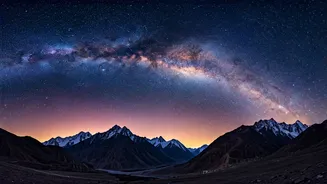
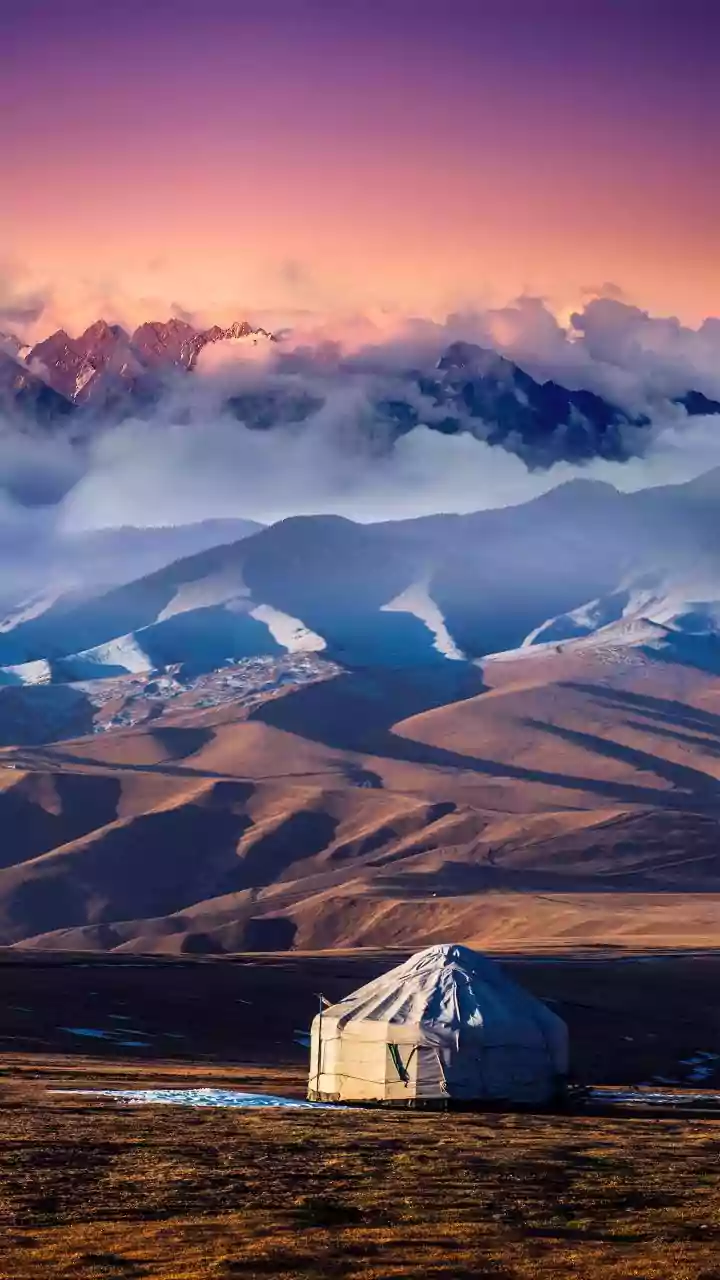
This global trend has firmly arrived in India. In late 2022, the Hanle region in Ladakh was officially designated as India's first Dark Sky Reserve. Nestled in the high-altitude desert of the Himalayas, Hanle is home to the Indian Astronomical Observatory. Its remote location, clear skies, and minimal population make it one of the most promising sites in the world for stargazing. The 'reserve' status isn't just a label; it’s a commitment by the local community and administration to adopt astro-friendly practices. Villagers are trained to manage homestays for tourists and use light-shielding curtains, ensuring that tourism benefits the community without compromising the very darkness that draws visitors in the first place.
The Rise of 'Astrotourism'
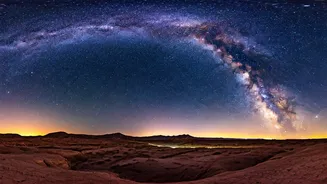
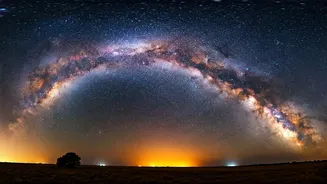
So, why the sudden boom? The growth of 'astrotourism' is driven by a convergence of modern anxieties and desires. In an always-on, screen-saturated world, the profound silence and immensity of a star-filled sky offer a powerful form of digital detox. It's a search for awe and authenticity—an experience that can't be replicated on Instagram, even if people try. Travellers are increasingly seeking out meaningful, educational experiences over generic beach holidays. Stargazing fits perfectly, combining science, nature, and a touch of the sublime. For many, seeing the Milky Way arch across the sky for the first time is a profound, almost spiritual experience, a humbling reminder of our place in the universe.
Winning Big Means More Than Money
The 'win' for these destinations is multi-faceted. Economically, astrotourism provides a sustainable source of income for remote communities, creating jobs in hospitality, guide services, and transportation without requiring massive, disruptive infrastructure. Unlike other forms of tourism that can degrade the environment, dark-sky tourism’s success depends on protecting it. This creates a powerful incentive for conservation. Furthermore, these sites become vital hubs for scientific research and public education, inspiring a new generation of astronomers and environmentalists. By placing a value on darkness, communities are preserving a critical resource for nocturnal wildlife, which suffers from the disorienting effects of artificial light.
Where to Chase the Stars
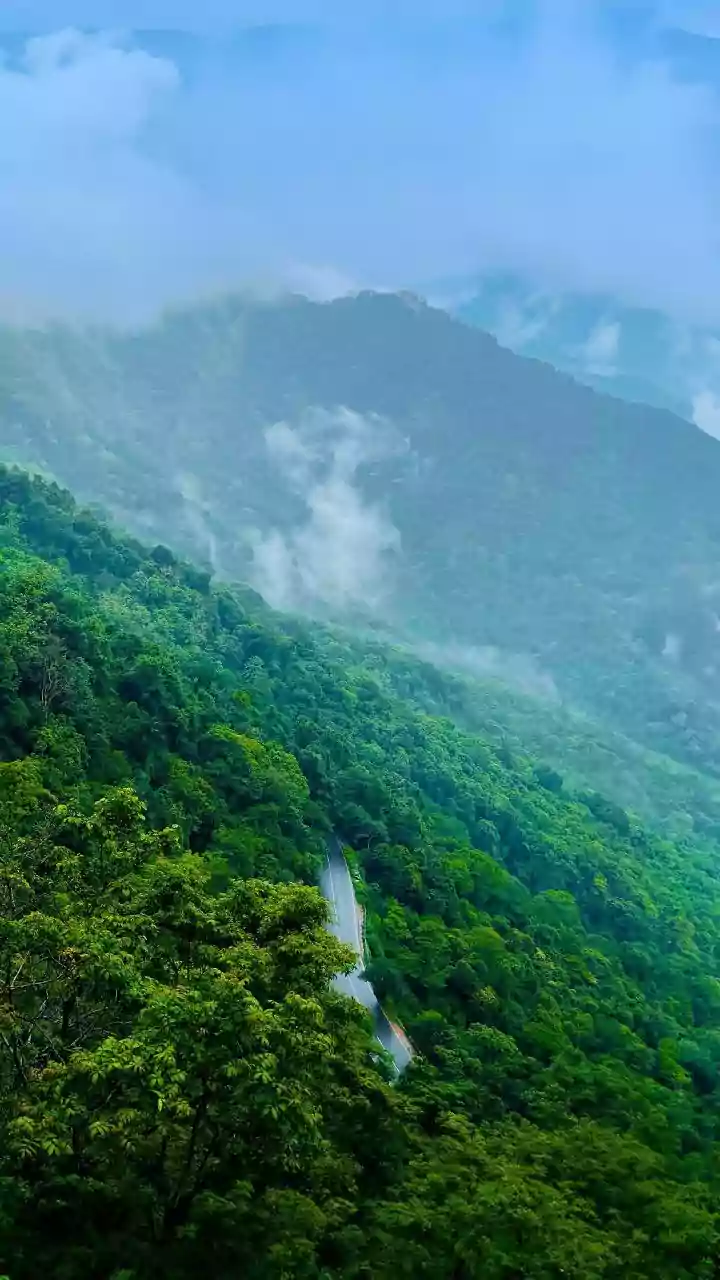
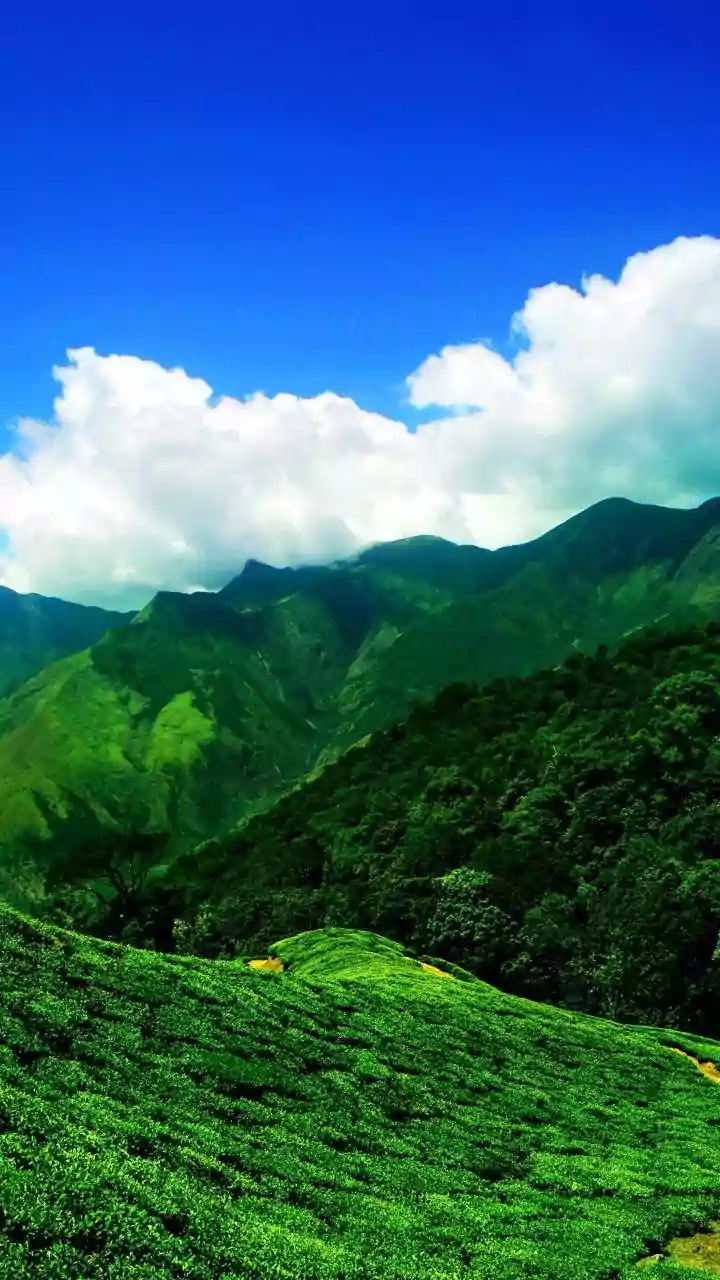
While Hanle is India's official crown jewel, other regions offer spectacular stargazing opportunities. The Spiti Valley in Himachal Pradesh, with its high-altitude villages like Kaza and Kibber, has long been a favourite among amateur astronomers. Parts of the Rann of Kutch in Gujarat, especially during the Rann Utsav, offer vast, flat horizons and dark skies away from the festival grounds. In the south, the coffee plantations of Coorg in Karnataka and some remote areas of the Western Ghats can provide surprisingly clear nights. For those looking abroad, iconic destinations like the Aoraki Mackenzie International Dark Sky Reserve in New Zealand or the Atacama Desert in Chile remain benchmarks for what a truly pristine night sky looks like.