





Learning by Doing
For many parents and local leaders, traditional environmental education feels abstract and disconnected from daily reality. Memorising facts about climate change is one thing; understanding what to do with the plastic wrapper in your hand is another.
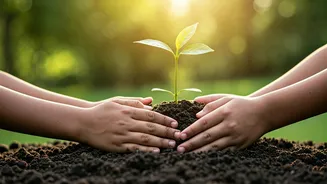
This is where community-led initiatives are making a profound difference. They shift the focus from passive learning to active participation. Instead of just hearing about the importance of trees, children are planting saplings in their own neighbourhoods. Instead of reading about pollution, they are participating in local clean-up drives. This experiential approach fosters a deep, personal connection to the environment, turning abstract concepts into tangible actions and instilling habits that can last a lifetime.
The Battle Against Waste
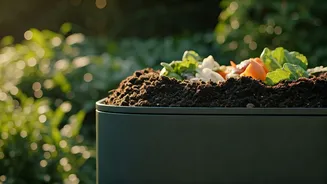
One of the most visible fronts of this movement is waste management. In cities like Bengaluru, Residents’ Welfare Associations (RWAs) have been pioneers, organising workshops for children on waste segregation. Kids learn to identify wet, dry, and sanitary waste, not from a chart, but by sorting the day's household trash under guidance. In Pune and Mumbai, 'plogging' groups—combining jogging with picking up litter—have become a weekend family activity. Children, armed with gloves and bags, join their parents in cleaning up parks and streets. These activities demystify the waste crisis, empowering children with the knowledge that their small, consistent actions, like refusing a plastic straw or composting kitchen scraps, are powerful tools for change.
Reclaiming Green Spaces
As urban areas expand, the connection to nature is often the first casualty. Communities are fighting back by turning neglected plots into vibrant ecosystems. In Delhi, neighbourhood groups have organised large-scale tree-planting drives, involving schoolchildren in every step from digging pits to watering the saplings. They learn the names of native trees and their importance to birds and insects. In other areas, residents have created butterfly gardens and biodiversity parks on small patches of land. Local botanists and bird-watchers volunteer to lead weekend nature walks, teaching children to identify the flora and fauna in their own backyards. This fosters a sense of ownership and responsibility for their local environment, transforming them into its future guardians.
From Terrace to Table
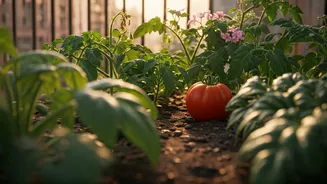
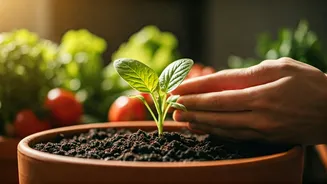
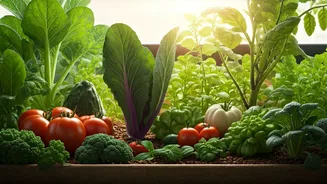
Understanding where food comes from is another key pillar of environmental literacy. Across India, a growing urban gardening movement is helping children connect with their food. Community-run projects on terraces, balconies, and small community plots teach kids the magic of turning a seed into a meal. They learn about soil health, composting, natural pesticides, and the importance of water conservation. This hands-on agricultural experience is invaluable. It not only teaches them a vital life skill but also cultivates a greater appreciation for farmers and the resources required to produce food, leading to less food waste and healthier eating habits.
The Ripple Effect
The impact of these initiatives extends far beyond the children themselves. Kids are often the most effective agents of change within their own families. A child who learns about waste segregation at a community workshop will often insist on it at home. A child excited about their homegrown tomatoes might inspire their parents to start their own small garden. This 'pester power', when channelled positively, creates a ripple effect that spreads through the entire community. It transforms environmentalism from an individual pursuit into a collective value, embedding sustainability into the social fabric of the neighbourhood and proving that real, lasting change often starts small.