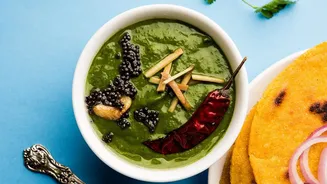





When we think of 'saag', the mind often drifts to the comforting, robust flavour of Sarson ka Saag on a winter day. But the world of saag is far richer and more varied, offering a powerhouse of nutrients for delicious, balanced meals year-round.
Beyond the Comfort of Sarson
In Indian
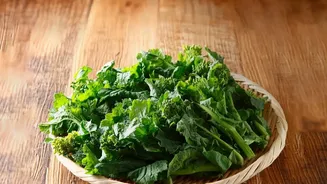
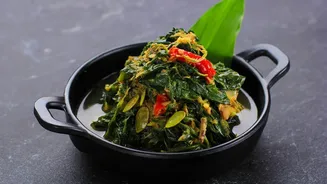
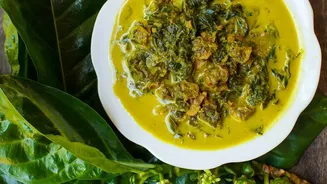
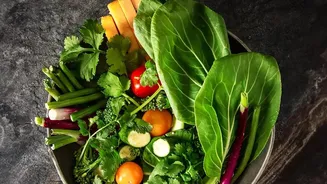
cuisine, 'saag' is not just one dish but a whole category of food made from various leafy greens. While mustard greens (sarson) are the most famous, the term encompasses a wide array of greens like spinach (palak), fenugreek (methi), amaranth (chaulai), and bathua (lamb's quarters). These greens are culinary chameleons, capable of being the star of a dish or a humble, nourishing addition. Understanding this variety is the first step to unlocking their full potential on your plate. From the peppery bite of radish leaves to the earthy tones of bathua, each green brings its own unique flavour and texture, creating a diverse palette for healthy cooking.
A Powerhouse of Essential Nutrients
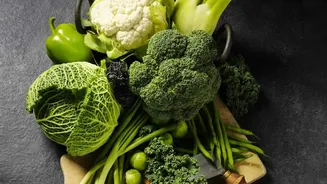
Leafy greens are nutritional superstars. They are packed with essential vitamins like A, C, and K, and minerals such as iron, calcium, and potassium. For instance, spinach is renowned for its high iron and folate content, while amaranth leaves are a great source of protein and vitamin A. Bathua is loaded with amino acids that aid digestion, and fenugreek is known to help in regulating blood sugar. This dense nutritional profile makes saag an excellent choice for boosting immunity, especially during seasonal changes, improving bone health, and aiding digestion due to its high fibre content.
Building a Truly Balanced Meal
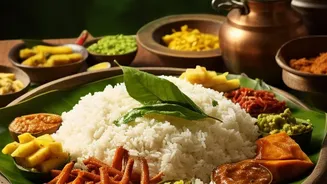
A bowl of saag is incredibly healthy, but turning it into a complete, balanced meal requires pairing it with the right components. The goal is to combine it with a source of complex carbohydrates and adequate protein. For protein, adding cubes of paneer to palak saag is a classic combination. Similarly, chickpeas can be added to make 'chana saag', or you can simply serve your greens alongside a hearty dal. Non-vegetarians can also incorporate chicken or lamb into their saag for a protein-rich meal. For carbohydrates, move beyond plain white rice. Traditional pairings like makki ki roti (maize flatbread) are not just for flavour; they provide complex carbs and fibre. Other excellent options include whole-wheat rotis, bajra (pearl millet) rotis, or a serving of brown rice. A dollop of ghee not only adds flavour but also helps your body absorb fat-soluble vitamins from the greens.
Cooking to Preserve Goodness
How you cook your greens matters. Overcooking can destroy delicate vitamins and minerals. To retain the most nutrients, it's best to cook saag with minimal water, using the moisture from the leaves themselves. A good practice is to wash the leaves thoroughly in lukewarm water, chop them, and then blanch them briefly in hot water before plunging them into cold water. This technique helps retain their vibrant green colour and nutrients. When making the final dish, sautéing the greens lightly is preferable to boiling them for long periods. Adding spices like turmeric, cumin, and garlic not only enhances taste but also adds to the dish's health benefits.
Exploring India's Regional Greens
Different parts of India celebrate different types of saag. In Bengal, Helencha saag, known for its slightly bitter taste, is valued for its medicinal properties. In the south, Chaulai ka Saag (amaranth leaves) is a common sight and is rich in iron and vitamins. Kalmi saag, or water spinach, is popular in Karnataka and is known for being a low-calorie green effective for weight management. Exploring these regional varieties can add exciting new flavours and nutrients to your diet. Don't be afraid to mix different greens together; combining pungent mustard leaves with milder spinach, for example, creates a more complex and balanced flavour.