






The Predictable Chaos of an Unplanned Journey
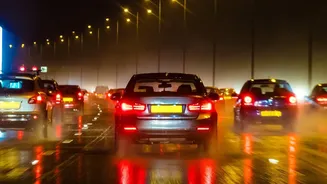
Leaving your travel to chance during a downpour is a recipe for disaster. Mumbai's monsoon challenges are well-documented: severe waterlogging in low-lying areas, traffic gridlock that can stretch for hours, and disruptions to the city's lifeline, the local
trains. For many Mumbaikars, the flood map is painfully familiar, with areas like Hindmata, Sion, Kurla, and the Andheri subway consistently making headlines for being submerged. These aren't random events; they are recurring problems. An unplanned journey means you are likely to get caught in these very choke points, turning a routine trip into a long and stressful ordeal. The combination of heavy rain and high tides can prevent water from draining, leading to rapid flooding even in areas not traditionally known for it.
Leverage Technology for Real-Time Insights
Your smartphone is your most powerful tool for navigating the monsoon. A suite of apps provides the real-time information needed to make informed decisions before you even step out. Google Maps offers live traffic data, helping you spot and avoid congested routes. For train commuters, m-Indicator is indispensable, offering live updates on train schedules, delays, and even platform numbers. The Central Railway's official YATRI app also provides reliable announcements straight from the control room, suggesting alternative routes if a line is blocked. Beyond transport, official sources like the Brihanmumbai Municipal Corporation's (BMC) Disaster Management app and its social media handles provide crucial alerts on waterlogging, traffic diversions, and weather warnings from the IMD. Following these official channels helps you avoid acting on rumours and get verified information.
Know Your Waterlogging Hotspots
Knowledge of the city's geography is crucial. The BMC has identified hundreds of chronic flooding spots across Mumbai. While some, like the Mithi river basin areas of Kurla and Sion, are infamous, recent years have seen new spots emerge in South Mumbai, including around Churchgate, Mantralaya, and Metro Cinema. These are often low-lying areas where drainage is a persistent issue. Before you travel, mentally map out your route and its potential vulnerabilities. Are you crossing any known subways that flood? Is your path near a river catchment area like Poisar or Dahisar? Having this awareness allows you to build a Plan B, such as knowing an alternative overbridge or a different road that stays clear longer.
Rethink Your Mode of Transport
Flexibility is key. While local trains are often the fastest way across the city, they are vulnerable to waterlogging on the tracks, particularly on the Central and Harbour lines around Kurla and Sion. On days with heavy rain forecasts, the Mumbai Metro can be a more reliable alternative, especially the underground Aqua Line, which is less affected by surface conditions. However, reaching the metro station itself can be a challenge due to flooded access roads. Buses can be a good backup if trains are down, but they are subject to the same traffic snarls as cars. During extreme weather alerts, authorities like the BMC may advise citizens to stay indoors and avoid unnecessary travel altogether. If possible, having a work-from-home option can be the smartest choice on days with a red alert.
The Importance of a Buffer and a Kit
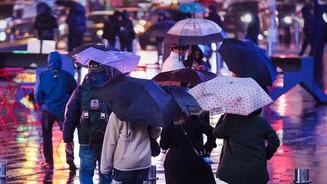
Always assume there will be delays and plan accordingly. Adding a significant time buffer to your journey is one of the simplest yet most effective strategies. This reduces the stress of running late and gives you the flexibility to wait out a sudden, intense spell of rain or change your route without major consequences. Beyond time, a small travel kit can make a huge difference. Essentials include a sturdy umbrella, a waterproof bag or cover for your backpack, and a fully charged power bank for your phone. Good quality waterproof footwear with a strong grip is also non-negotiable to navigate slippery and flooded streets safely. Having these items on hand ensures you and your belongings stay as dry and functional as possible, no matter what the commute throws at you.