

A Quiet Kitchen Revolution
What started as a quiet hum in home kitchens has grown into a nationwide culinary movement. The recent boom in home baking, accelerated by lockdowns and a renewed focus on hygiene and homemade goodness, has empowered a generation of culinary entrepreneurs.
Armed with social media, these bakers have turned their passion into thriving small businesses, showcasing their creations on platforms like Instagram and finding a loyal customer base that craves quality and creativity. This trend isn't just about hobbies; it's a significant shift in the food landscape, driven by individuals who are redefining what it means to bake in India. They cater to a distinctly Indian demand: the need for celebratory, high-quality, and, most importantly, vegetarian treats.
Cracking the Eggless Code
For decades, eggs were considered the non-negotiable heart of Western baking, providing structure, moisture, and richness. For a large vegetarian population in India, this made many global desserts inaccessible. Today's home bakers have brilliantly cracked the eggless code, moving far beyond simple substitution. This is where the real innovation lies. They are mastering the science of baking, using ingredients like yogurt, condensed milk, fruit purées, and even aquafaba (chickpea water) not as compromises, but as tools to enhance texture and flavour. The result is cakes that are just as moist, sponges that are equally fluffy, and mousses that are just as decadent as their traditional counterparts, proving that eggless baking is a sophisticated craft in its own right.
East Meets West in the Oven
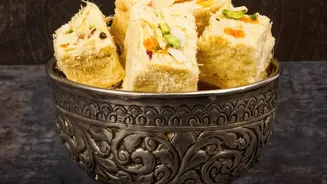
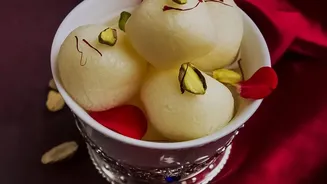
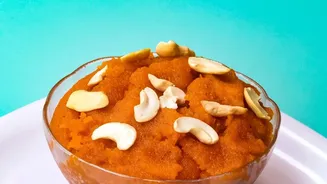
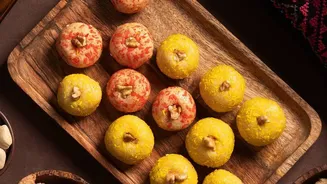
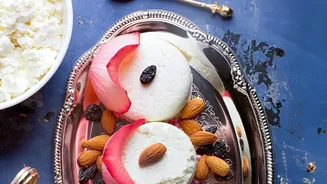
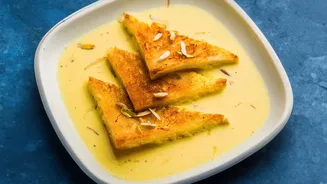
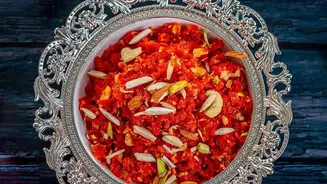
The true magic happens at the intersection of flavours. Indian home bakers are not just making eggless versions of Western classics; they are infusing them with the soul of Indian mithai. This has given birth to a spectacular genre of fusion desserts. Think of a velvety cheesecake with soft, syrup-soaked gulab jamuns hidden inside, its crust made from crushed Parle-G biscuits. Picture an Italian tiramisu where the coffee-soaked ladyfingers are replaced with delicate rasmalai, or a panna cotta subtly flavoured with the festive notes of thandai. Desserts like Motichoor Ladoo Parfait, Kesar-Pista (saffron-pistachio) cupcakes, and Gajar ka Halwa (carrot pudding) cakes are becoming staples, offering a taste that is both globally inspired and deeply rooted in Indian tradition. Familiar spices like cardamom, saffron, and rose water are finding their way into tarts, cookies, and cheesecakes, creating a whole new dessert vocabulary.
A Recipe for Empowerment
Beyond the delicious creations, this home baking trend represents a powerful story of entrepreneurship and empowerment. For many, especially women, it has opened up avenues for financial independence and professional fulfillment from the comfort of their homes. By leveraging digital platforms, they can manage their business, connect with customers, and build a brand identity without the overheads of a traditional storefront. This movement fosters a supportive community of bakers who share knowledge, celebrate successes, and push each other to innovate. Each cake sold is not just a transaction; it's a testament to their skill, creativity, and the success of turning a personal passion into a public delight, one perfectly baked, eggless dessert at a time.